


If your dog constantly scratches, licks, or shows signs of irritated skin, you may be wondering: could it be related to their diet? Many pet owners are unaware that the right dog food can make a huge difference in managing skin allergies. Choosing the right nutrition is not only about alleviating discomfort but also improving your dog's overall health and coat condition.
Skin allergies in dogs are often triggered by environmental factors like pollen or dust, but food allergies are another common cause. Identifying the right dog food specifically formulated for sensitive skin can reduce inflammation, relieve itching, and prevent further irritation.
 How to identify dog food allergies
Dogs with skin allergies often show symptoms like:
-
Persistent scratching or biting at their skin
-
Red, inflamed, or dry patches
-
Hair loss or thinning fur
-
Ear infections or redness inside ears
Food allergies are typically caused by common ingredients such as beef, chicken, dairy, wheat, or soy. Eliminating these potential triggers and introducing hypoallergenic or limited ingredient dog foods can help determine the cause.
Best types of dog food for skin allergies
When selecting dog food for skin allergies, consider the following options:
-
Hypoallergenic Dog Food – These foods are formulated with proteins that are less likely to cause allergic reactions.
-
Limited Ingredient Diets – Fewer ingredients make it easier to identify potential allergens.
-
Grain-Free Dog Food – Some dogs have sensitivities to grains, and grain-free options can help reduce reactions.
-
Omega-3 and Omega-6 Rich Foods – Essential fatty acids support healthy skin and a shiny coat.
-
Novel Protein Sources – Ingredients like duck, venison, or salmon are less commonly used and may reduce allergic reactions.
Tips for transitioning your dog to allergy-friendly food
Switching foods abruptly can upset your dog’s stomach. Follow these steps:
-
Gradually mix the new dog food with the current food over 7–10 days.
-
Monitor your dog’s reaction for improvements in itching, redness, or hair loss.
-
Avoid treats and table scraps that contain potential allergens.
-
Consult your veterinarian for guidance and potential allergy testing.

Frequently Asked Questions
Q1: Can dog food alone cure skin allergies?
A: While dog food can significantly reduce allergic reactions, some dogs may still require medication or topical treatments as recommended by a veterinarian.
Q2: How long does it take to see results?
A: Improvements in skin and coat can take 4–12 weeks depending on the severity of the allergy and the food switch.
Q3: Are there homemade dog food options for skin allergies?
A: Yes, homemade diets with veterinarian guidance can be beneficial. Focus on novel proteins, vegetables, and essential fatty acids.
Q4: Should I give my dog supplements?
A: Omega-3 supplements can support skin health, but always consult a vet before introducing any new supplements.
Final Thoughts
Finding the right dog food for skin allergies requires patience and careful observation. Hypoallergenic and limited-ingredient diets are often the best starting point. Combined with proper veterinary guidance, the right diet can relieve discomfort, promote a healthy coat, and improve your dog’s overall quality of life.
Helpful Notes:
-
Always read labels and avoid common allergens.
-
Track your dog’s symptoms to identify triggers.
-
Keep regular vet check-ups for ongoing management.
-
Consider allergy testing if symptoms persist despite dietary changes.
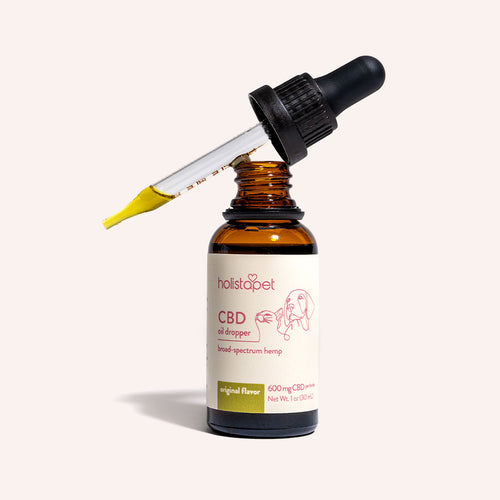 CBD Oil for Dogs - Fast Acting
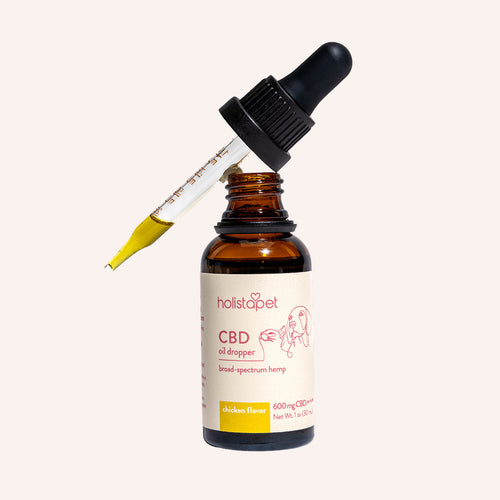 Chicken Flavored CBD Oil For Dogs - Easy Dose
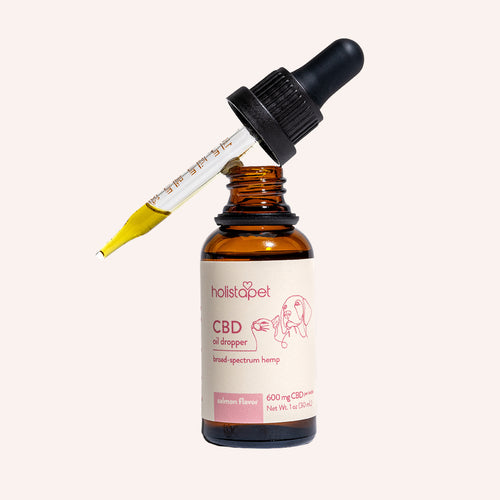 Salmon Flavored CBD Oil For Dogs - Highly Rated
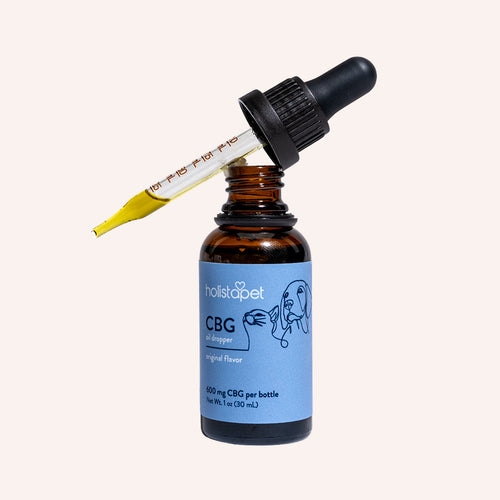 CBG Oil for Dogs and Cats - Loved by Thousands









Leave a comment
All comments are moderated before being published.
This site is protected by hCaptcha and the hCaptcha Privacy Policy and Terms of Service apply.