


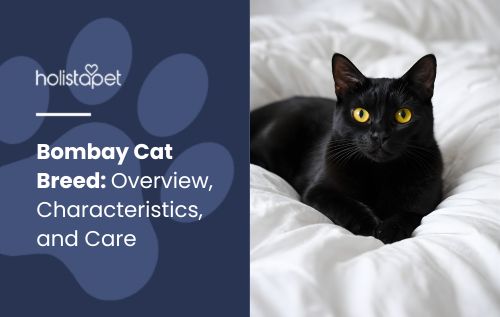
The Bombay cat breed is known for its glossy black coat, rounded features, muscular body, and striking gold-to-copper eyes. Breeders developed this domestic breed to resemble a miniature black panther while maintaining an affectionate, playful, and people-oriented personality. Pet owners researching the breed may also explore wellness topics, including natural cbd oil, as part of their overall pet care education.
Bombay cats often form close relationships with their families and enjoy being involved in everyday activities. They can adapt well to apartments and larger homes, but they generally do best with people who can provide regular attention, interactive play, and companionship.
Although every Bombay cat is black, not every black cat is a Bombay for more in-depth profiles like this one, browse our full collection of cat breed resources. A true Bombay has a documented pedigree and a combination of physical and personality traits established by recognized cat registries.
Key Highlights
- The Bombay cat breed is known for its glossy solid black coat, muscular body, rounded features, and striking gold-to-copper eyes.
- Bombays were developed in the United States by crossing black American Shorthairs with sable Burmese cats.
- Bombay cats are affectionate, social, playful, intelligent, and often form close bonds with their families.
Bombay Breed Overview
The Bombay is a medium-sized, muscular shorthair breed created by crossing black American Shorthairs with sable Burmese cats. According to The TICA: Cat Breed Directory is a helpful starting point for finding registered breeders and learning more about recognized breed standards., the breed combines the easygoing nature of the American Shorthair with the affectionate and inquisitive personality of the Burmese.
|
Breed Trait |
Bombay Cat Description |
|---|---|
|
Personality |
Affectionate, social, playful, intelligent |
|
Size |
Medium to medium-large |
|
Build |
Muscular, solid, and heavier than it appears |
|
Coat Length |
Short and close-lying |
|
Coat Color |
Solid black |
|
Eye Color |
Gold to copper |
|
Grooming Needs |
Low |
|
Activity Level |
Moderate and playful |
|
Life Expectancy |
Usually 12 years or longer |
|
Hypoallergenic |
No |
|
Origin |
United States |
|
Best Suited For |
Attentive families, apartment residents, and multi-pet homes |
Bombays are sometimes described as “parlor panthers” because of their gleaming coat and confident walk. The breed is entirely domestic and contains no wild leopard or panther ancestry.
What Is the History of the Bombay Cat Breed?
American breeder Nikki Horner created the first Bombay in the late 1950s. Her goal was to create a domestic cat that resembled a black leopard from India.
Horner began developing the breed by pairing a black american shorthair male with a sable Burmese. These parent breeds shaped Bombay history and contributed to Bombay’s solid body, rounded appearance, sleek coat, intelligence, and affectionate temperament, even though it remains a relatively new breed.
The Cat Fanciers’ Association states that the breed’s development took shape during the 1960s. Bombays were accepted for CFA registration in 1970 and advanced to Championship status on May 1, 1986. TICA accepted the Bombay for the championship competition in 1979.
The name “Bombay” was inspired by the Indian city now known as Mumbai and the black leopards associated with India. Despite the name, the American Bombay was developed in the United States.
What Are the Main Bombay Cat Characteristics?

Bombay cats have a distinctive combination of rounded features, a glossy black coat, expressive eyes, and a muscular frame—distinctive features used to recognize the ideal Bombay under breed standards.
Appearance
A Bombay has a slightly rounded head with no sharp angles, and its profile features a moderate nose. The muzzle is broad and rounded, while the ears are medium-sized and set well apart, reinforcing the soft, balanced contours expected in the breed. Large, widely spaced eyes contribute to the breed’s alert and open expression.
Glossy Black Coat
The Bombay coat is short, dense, and close-fitting, and it should be jet black from root to tip, with a smooth sheen sometimes likened to polished patent leather. For the same reason, show-quality Bombay kittens should mature into a solid black coat without contrasting patches.
Eyes
Bombay cats are especially known for their large gold or copper eyes. The traditional description of “new penny eyes” refers to the rich copper color preferred in many breed standards.
Build
The Bombay is a medium-sized cat, neither long and slender nor extremely compact, with a balanced, medium-length body. Its body should appear balanced, with a rounded chest, strong legs, and a straight tail, a sturdy structure that is part of the ideal Bombay outline.
What Is a Bombay Cat’s Personality Like?
Bombay cats are known for their affectionate, outgoing personalities, as well as their confidence, curiosity, and strong interest in people. Many Bombay owners describe them as intelligent cats that want involvement and interaction, often following family members from room to room, sitting on laps, sleeping near their people, and greeting visitors.
The breed’s personality commonly includes:
- Strong interest in human companionship
- Playful and curious behavior
- An ability to learn routines and simple tricks
- Interest in puzzle toys and interactive games
- A tendency to follow people around the home
- Adaptability to apartments and indoor living
- outgoing personalities with children and other pets when introduced properly
Are All Black Cats Bombay Cats?
No. Black refers to a coat color, while Bombay refers to a recognized, pedigreed breed, so a Bombay is not the average black cat, even if it resembles the average cat in overall size.
The clearest signs associated with a pedigreed Bombay and its breed-specific traits include:
- A documented Bombay pedigree
- A uniformly glossy black coat
- Black nose leather and paw pads
- Large gold or copper eyes
- A rounded head and muzzle
- A muscular, balanced body
- An affectionate and people-focused temperament
HolistaPet's guide to black cat breeds provides more examples of breeds and domestic cats that may have black coats our guide on curly haired cats is another fun read for those exploring distinctive feline looks.
Bombay Cat vs Black American Shorthair vs Burmese Cat
This original HolistaPet comparison chart highlights several differences between the Bombay, a black American Shorthair, and the Burmese.
|
Feature |
Bombay Cat |
Black American Shorthair |
Burmese Cat |
|
Breed Status |
Recognized pedigreed breed |
Recognized breed available in many colors, including black |
Recognized pedigreed breed |
|
Breed Origin |
Developed from Burmese and black American Shorthair cats |
Developed from working domestic cats in North America |
Developed from cats with Southeast Asian ancestry |
|
Coat Color |
Always solid black under the breed standard |
Black is one accepted color among many |
Sable, champagne, blue, or platinum under CFA standards |
|
Coat Texture |
Short, fine, close-lying, and glossy |
Short, dense, and protective |
Short, fine, and close-lying |
|
Eye Color |
Gold to copper |
Often gold in solid black cats |
Usually gold or yellow |
|
Head Shape |
Rounded with a broad muzzle |
Broad and full-cheeked |
Rounded with a compact appearance |
|
Body Type |
Medium, muscular, and deceptively heavy |
Medium to large, powerful, and sturdy |
Compact, muscular, and heavier than expected |
|
Personality |
Social, playful, affectionate, and attention-seeking |
Adaptable, even-tempered, and moderately independent |
Highly affectionate, people-oriented, and playful |
|
Grooming |
Weekly brushing is usually sufficient |
Weekly brushing |
Minimal brushing |
|
Identification |
Requires pedigree records for confirmation |
Requires pedigree records for confirmation |
Requires pedigree records for confirmation |
How Do I Care for a Bombay Cat?

Bombay cats are generally manageable to care for, but they still need balanced nutrition, regular exercise, preventive veterinary care, grooming, and daily social interaction.
Feed a Complete and Balanced Diet
Choose a high-quality diet formulated for the cat’s life stage and nutritional needs. Many owners include wet food as part of a complete feeding plan. The food should meet recognized nutritional standards and provide appropriate amounts of protein, fat, vitamins, minerals, and essential nutrients, including taurine. Like other cats, their basic nutritional requirements are similar, even though individual calorie needs vary.
Provide Fresh Water
Make clean water available throughout the day. Some cats prefer wide bowls, multiple drinking locations, or flowing pet fountains.
Encourage Daily Exercise
Bombay cats are active and mentally engaged, though they may become less energetic as they mature. Could you provide several brief play sessions throughout the day?
Useful activities include:
- Wand-toy games
- Food puzzles
- Treat hunts
- cat trees
- Window perches
- Soft toy retrieval
- Clicker training
- Supervised leash training
Maintain a Predictable Routine
Bombays commonly enjoy participating in household routines. Regular feeding, play, grooming, and quiet time can help the cat feel secure.
How Do I Groom a Bombay Cat?
The Bombay’s short coat is relatively low-maintenance.
Brush the Coat Weekly
Use a soft-bristle brush, grooming glove, or rubber grooming tool about once a week. Brushing removes loose hair and distributes natural oils through the coat.
Trim the Nails
Check the nails every few weeks and trim only the transparent tips. A veterinarian or groomer can demonstrate safe trimming if the cat resists or has dark nails that make the quick difficult to see.
Check the Ears
Inspect the ears for odor, discharge, redness, or excessive debris. Please don't insert cotton swabs deeply into the ear canal.
Support Dental Health
Introduce toothbrushing gradually using a feline toothbrush and cat-safe toothpaste. Never use human toothpaste.
How Long Do Bombay Cats Live?
Bombay cats commonly live for at least 12 years, and many may reach their mid-teens with appropriate care. TICA lists the breed’s life expectancy as 12 years or longer.
Lifespan depends on many factors, including:
- Genetics
- Indoor or outdoor lifestyle
- Nutrition
- Body weight
- Dental health
- Preventive veterinary care
- Exposure to accidents or toxins
- Early detection of medical conditions
What Are the Common Health Concerns of Bombay Cats?
Bombay health is generally good overall, but no breed is free from inherited or routine feline health risks.
Hypertrophic Cardiomyopathy
Hypertrophic cardiomyopathy, or HCM, causes the heart's muscular walls to become abnormally thick. This can reduce the heart’s efficiency and may eventually contribute to heart failure or blood clot formation.
Possible warning signs include:
- Rapid or labored breathing
- Open-mouth breathing
- Weakness or lethargy
- Sudden pain or paralysis in the rear legs
- Collapse
Breathing difficulty or sudden rear-leg paralysis is an emergency. HCM is diagnosed through veterinary testing, with echocardiography serving as the primary diagnostic method.
Dental Disease
Dental disease is common among cats of all breeds. Signs may include bad breath, red gums, drooling, difficulty chewing, reduced appetite, or food falling from the mouth.
Routine veterinary dental examinations and appropriate home care may help identify problems earlier.
Excess Weight
Bombays have naturally muscular bodies, but they can still become overweight when calorie intake exceeds daily activity.
Cornell Feline Health Topics describes obesity as the most frequently observed nutritional disorder in domestic cats. Excess weight can contribute to problems such as diabetes, arthritis, reduced mobility, and difficulty grooming.
Respiratory or Nasal Symptoms
Sneezing, nasal discharge, repeated face rubbing, noisy breathing, or appetite loss should not automatically be considered normal breed traits.
Contact a veterinarian if symptoms persist, worsen, or are accompanied by labored breathing. Open-mouth breathing in a cat requires immediate attention.
How Much Does a Bombay Cat Cost?
The price depends on the cat’s age, pedigree, location, breeder, health testing, and whether the cat is intended as a companion or show animal.
Typical estimates include:
- Shelter or rescue adoption: Around $50 to $300
- Reputable breeder: Often around $800 to $2,000
- Show or breeding lines: Sometimes higher than $2,000
These figures are estimates rather than fixed prices. Current listings and regional demand can produce significantly different costs. Recent adoption and breed guides list adoption fees from $50 to $300 and breeder prices from roughly $500 to $2,500.
Should I Adopt or Buy a Bombay Cat?

Adoption may suit people who want a friendly black companion, while buying from a breeder may be necessary for those seeking this rare breed.
When working with a breeder:
- Confirm that the breeder is registered with a recognized cat organization, and that any Bombay kitty sold as a purebred comes with pedigree documentation.
- Ask to see the kitten’s parents in person or through a live video call.
- Request vaccination and veterinary records.
- Ask about HCM screening and other health testing.
- Review the pedigree and registration documents.
- Read the purchase agreement and health guarantee.
- Avoid sellers who refuse to answer questions.
- Do not pay with gift cards or untraceable wire transfers.
- Be cautious of unusually low prices or urgent demands for payment.
TICA’s Pet Buyer’s Guide recommends verifying the breeder’s credibility, requesting health records for both parents, reviewing the written contract, and avoiding sellers who pressure buyers into quick or untraceable transactions.
Bombay Cat Organizations
Several organizations provide official breed standards, registration information, breeder directories, and educational resources.
- The International Cat Association
- The Cat Fanciers’ Association
- American Cat Fanciers Association
Breed registration does not guarantee that every breeder follows the same standards. Buyers should still verify veterinary records, living conditions, contracts, and health-screening practices.
A Short Wellness Note for Bombay Cats
A balanced diet, healthy weight, regular veterinary visits, dental care, daily exercise, and social interaction form the foundation of a Bombay cat’s wellness routine.
Supplements should not replace complete nutrition or veterinary treatment. With a veterinarian's approval, some families may explore products such as oil supplement for anxious cats to help support calm behavior or everyday comfort. CBD is not intended to diagnose, treat, cure, or prevent heart disease, dental disease, obesity, or any other medical condition. Pet owners looking for an easy daily option may also find broad spectrum cat treats a convenient way to incorporate natural wellness support into their Bombay's routine.
Is the Bombay Cat Breed Right for Me?
The Bombay may be a good fit for someone who wants a social, playful, indoor companion.
This breed may be suitable for households that can provide:
- Daily attention
- Regular interactive play
- Indoor enrichment
- Routine grooming
- Preventive veterinary care
- A stable home environment
- Gradual introductions to children and pets
A Bombay may be less suitable for someone who wants a highly independent cat or who is away from home for extended periods every day.
People who are still comparing breeds can review HolistaPet’s guide to choosing the right cat breed.
Frequently Asked Questions
Are Bombay Cats Rare?
Yes. Pedigreed Bombay cats are a relatively new and rare feline breeds compared with domestic shorthairs and other more widely bred pedigreed cats. Finding one may require contacting several registered breeders or joining a waiting list.
Black domestic cats are common, but most are not pedigreed Bombays.
Are Bombay Cats Hypoallergenic?
No. Bombay cats are not considered hypoallergenic. Their short coats may be easy to groom, but they can still shed hair and trigger reactions in people with cat allergies.
Anyone with allergies should spend time around the individual cat before adopting. Allergy severity can vary from one person to another.
How Long Do Bombay Cats Live?
Bombay cats typically live for at least 12 years, and many reach their mid-teens. Indoor living, appropriate nutrition, healthy weight management, dental care, and regular veterinary examinations may support a longer life.
Are All Black Cats Bombay Cats?
No. Most black cats are domestic shorthairs or members of other breeds. A true Bombay has a documented pedigree and meets a recognized breed standard.
Black fur and copper eyes alone do not prove Bombay ancestry.
Do Bombay Cats Have Green Eyes?
American Bombay breed standards generally call for gold-to-copper eyes. A black cat with green eyes may still resemble a Bombay, but it may be a domestic shorthair or another breed.
Appearance alone should not be used to confirm pedigree.
Do Bombay Cats Shed?
Yes, although their short, close-lying coats are usually considered low-maintenance. Weekly brushing can remove loose hair and help maintain the coat’s shine.
Are Bombay Cats Friendly?
Bombays are generally known for being affectionate, social, and comfortable around people. Many get along with respectful children and other pets after appropriate introductions.
Each cat has an individual temperament, so social history and behavior should also guide adoption decisions.
Are Bombay Cats Vocal?
Some Bombays are moderately vocal and may communicate when seeking attention, food, play, or access to a room. Their Burmese ancestry may contribute to their interest in interacting with people.
What Is the Difference Between a Bombay and a Black Domestic Shorthair?
A Bombay is a pedigreed breed with a specific history, body type, coat, eye color, and breed standard. A black domestic shorthair is a cat of mixed or unknown ancestry with short black fur.
Final Thoughts
The Bombay cat breed combines a dramatic miniature-panther appearance with an affectionate, intelligent, and playful personality. Its short black coat is easy to maintain, but the breed still needs daily companionship, exercise, mental stimulation, dental care, and routine veterinary attention.
Remember that not every black cat is a Bombay. Pedigree documentation is the most reliable way to confirm the breed. Whether choosing a pedigreed Bombay or adopting a Bombay-like black domestic shorthair, focus on the individual cat’s health, temperament, and compatibility with the household.
Read Next: Explore more cats in HolistaPet's complete cat breed guide, or discover our collection of broad spectrum CBD oil for cats for natural daily wellness support.







Leave a comment
All comments are moderated before being published.
This site is protected by hCaptcha and the hCaptcha Privacy Policy and Terms of Service apply.