


CBD Dog Treats
At HolistaPet, we make CBD treats for dogs using organic ingredients from carefully grown hemp. Each batch combines high-quality CBD with third-party testing for transparency. Our formulas are crafted with pets in mind, from flavor to texture. Your pup gets a treat they’ll love, and you know exactly what goes into your dog’s daily wellness routine.
Vet Recommended
Third-Party Tested
Made with Natural Ingredients
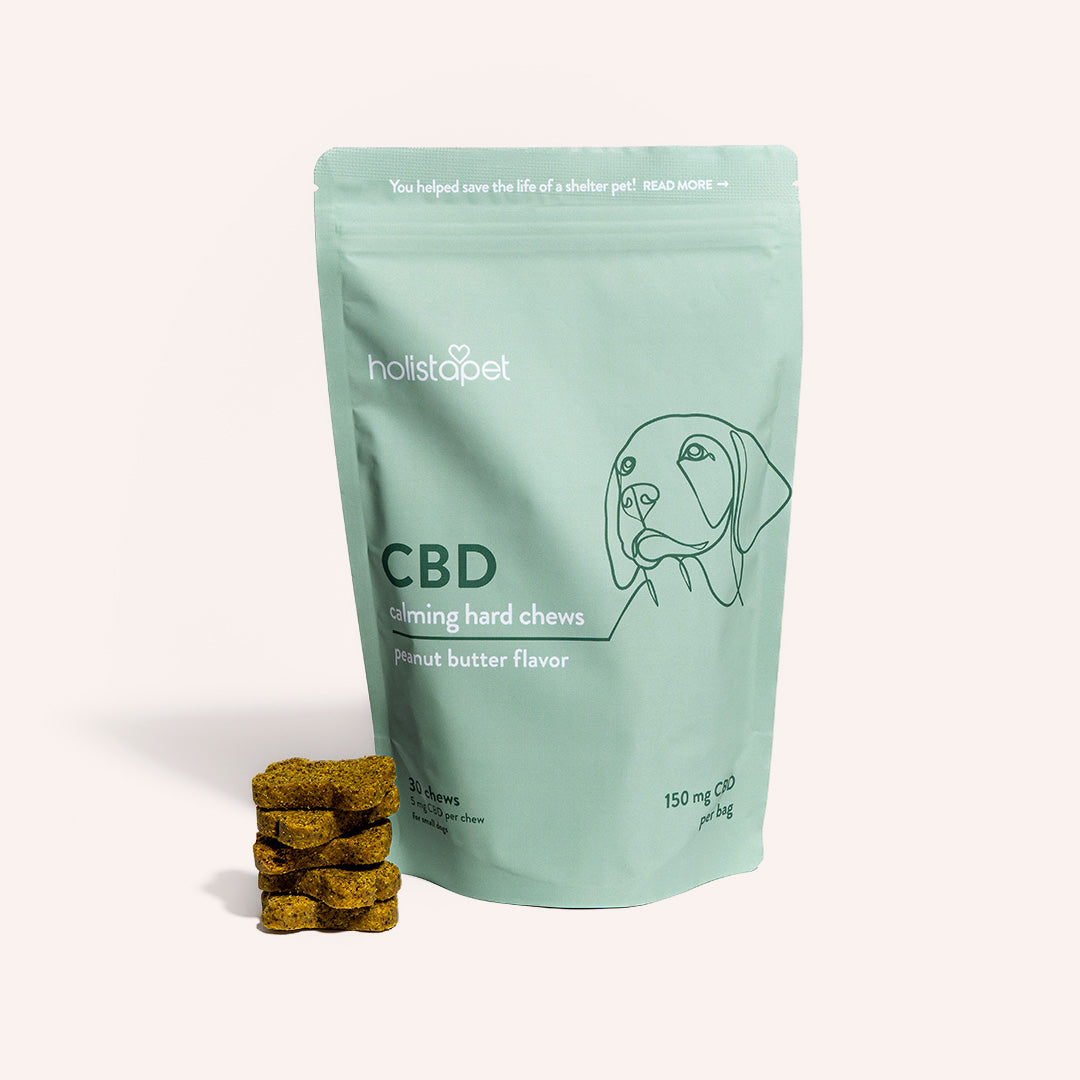
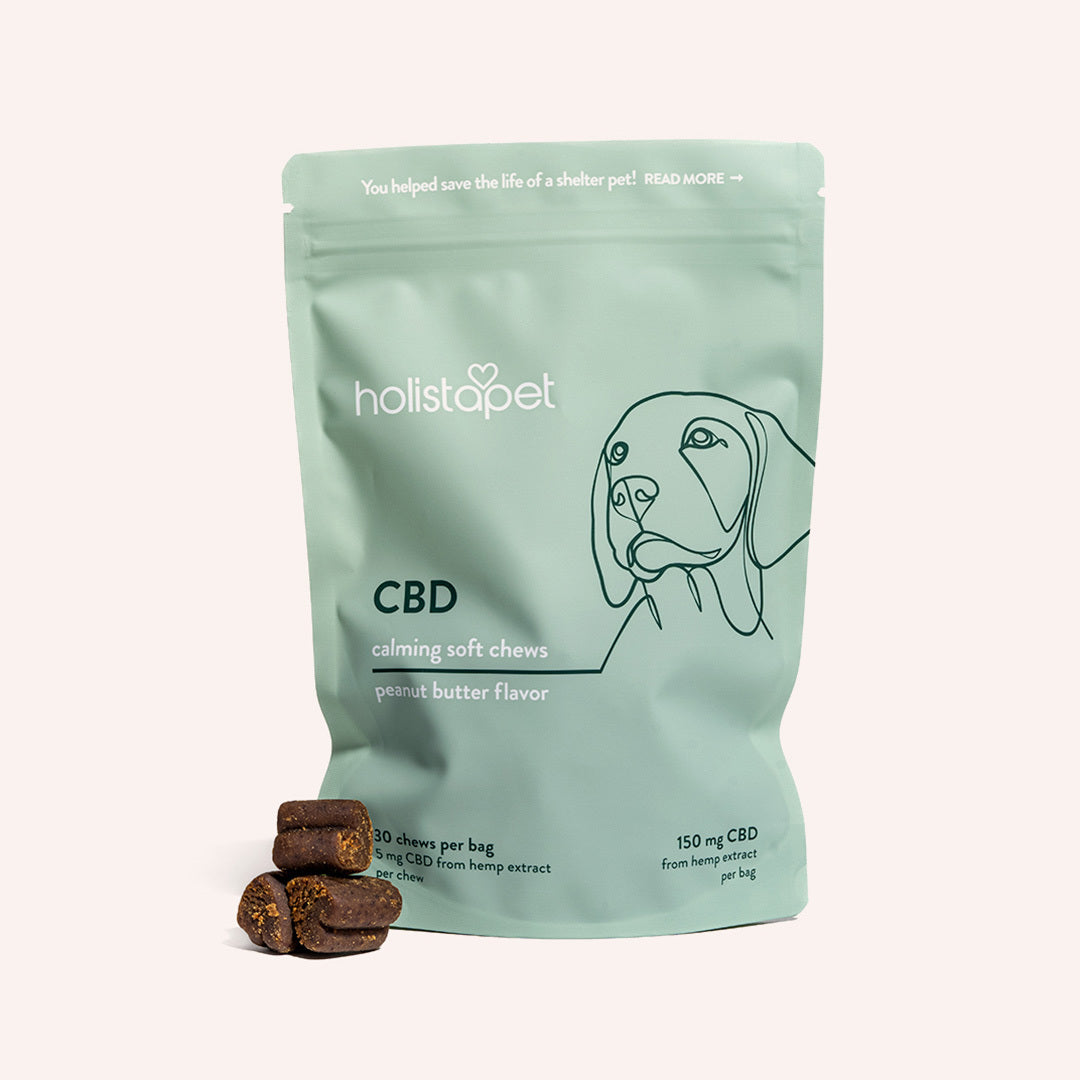
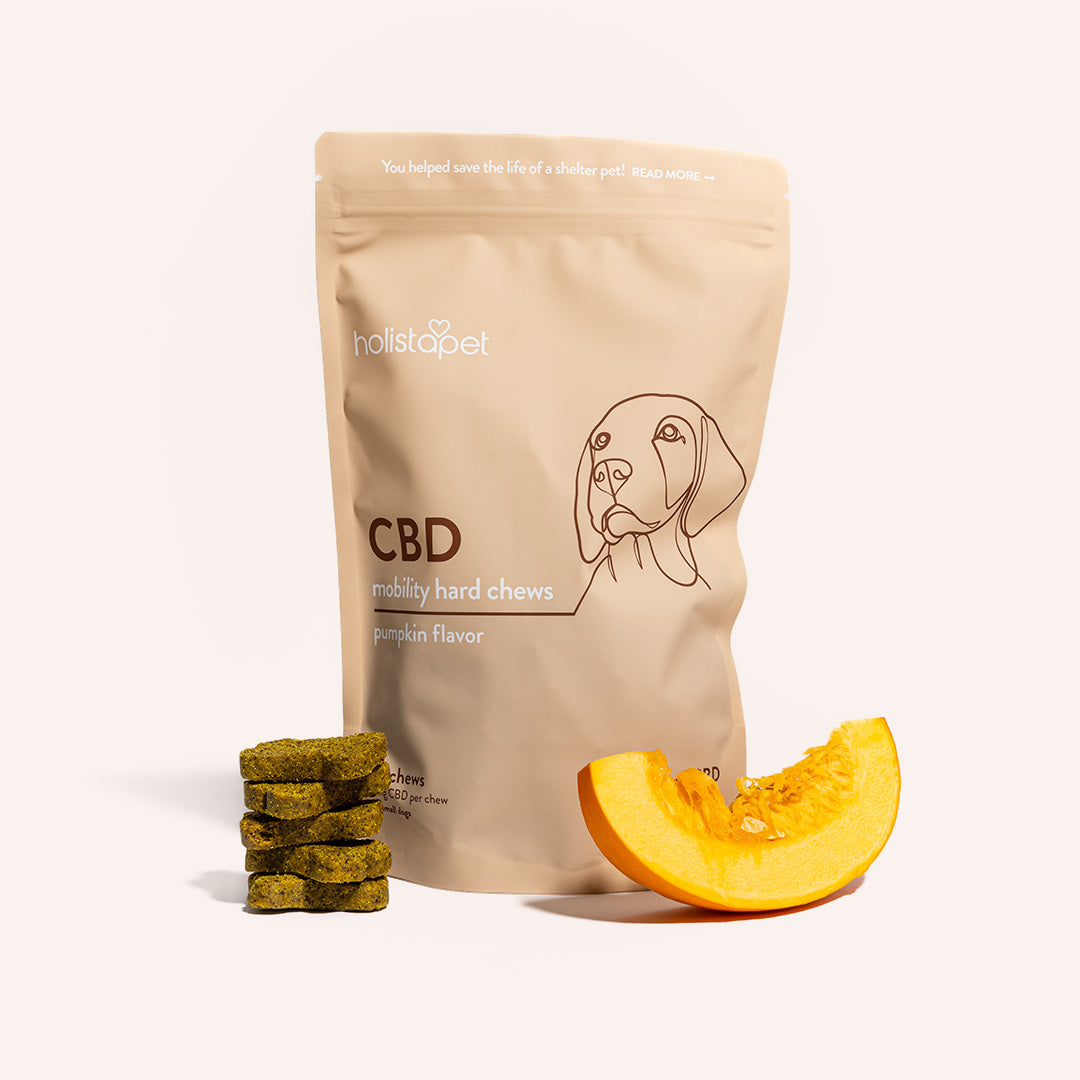
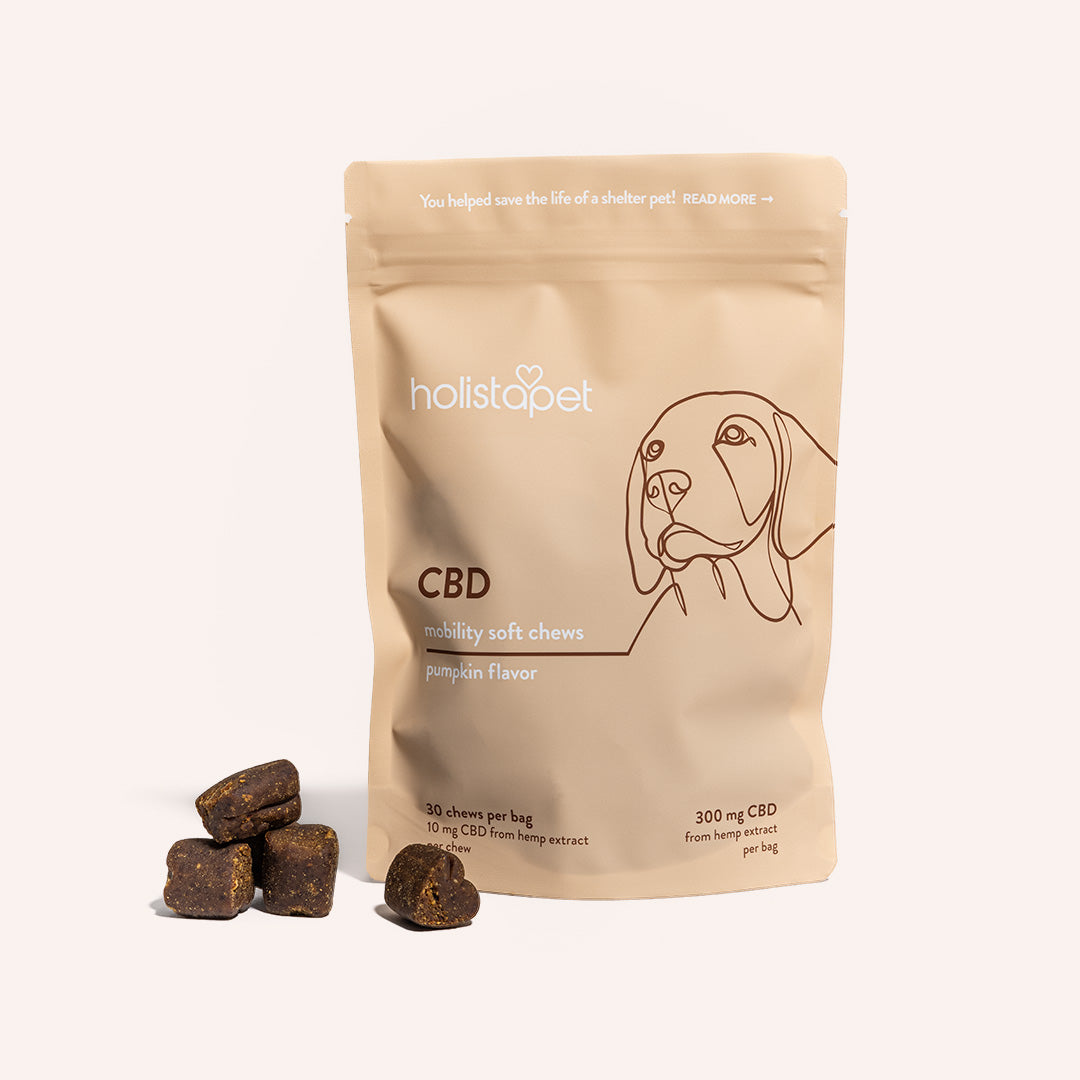
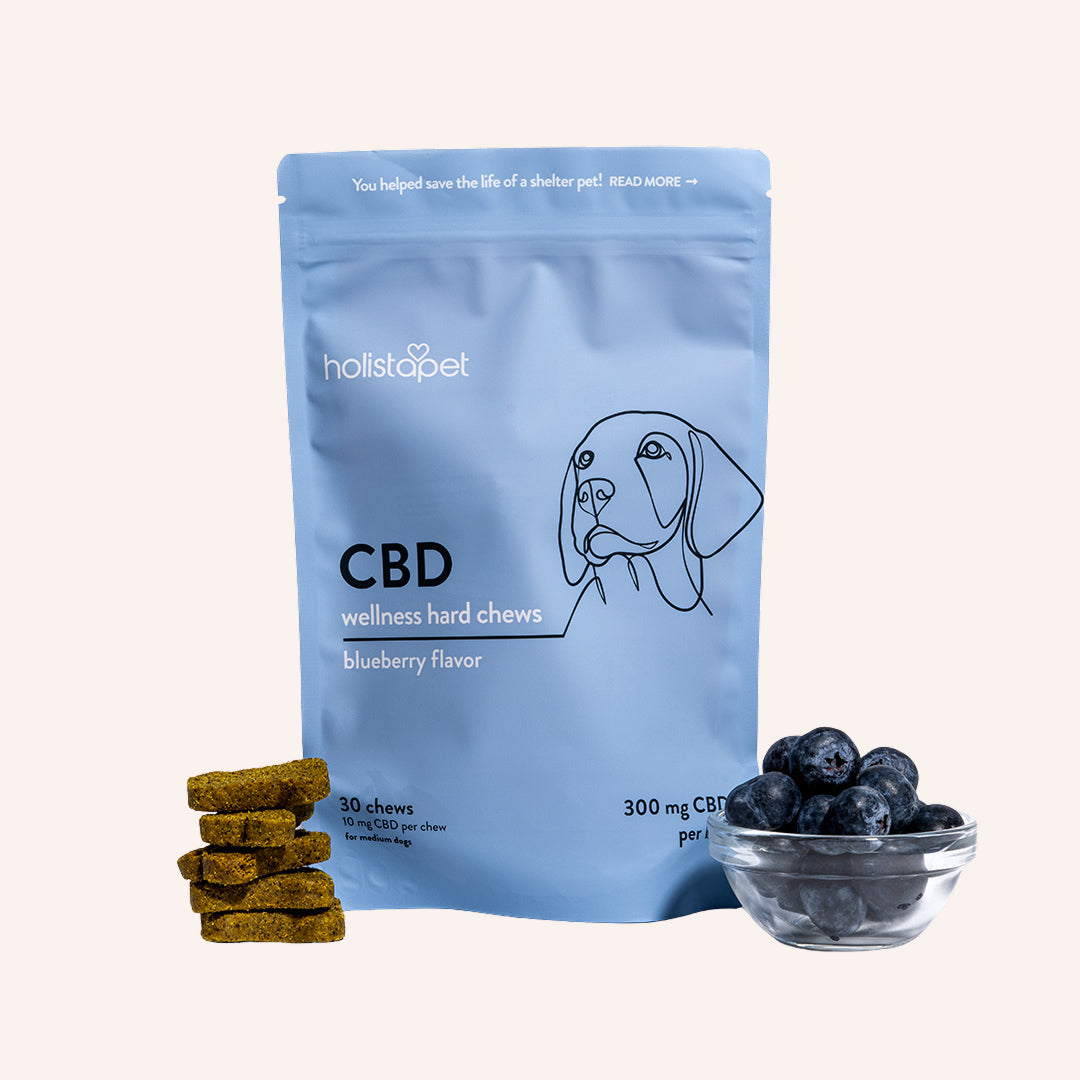



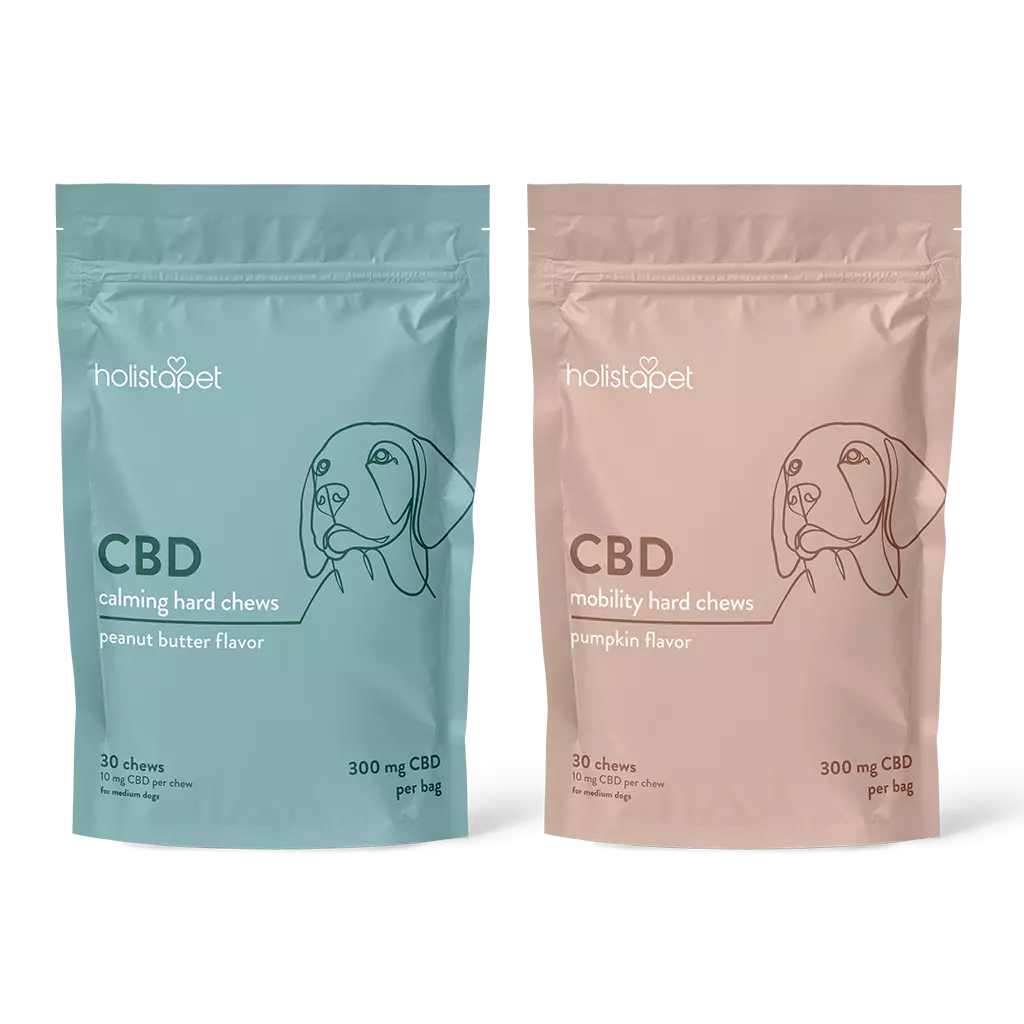





Premium Quality CBD Dog Treats
You want treats that reflect the same care you give your dog. At HolistaPet, we craft CBD dog treats using carefully sourced hemp and pet-focused formulas.
- Our hemp is grown using responsible organic cultivation practices.
- Clean sourcing helps reduce exposure to unwanted contaminants and supports consistent quality.
- Our formulas contain broad-spectrum hemp extract with naturally occurring CBD while removing THC. This means your dog can enjoy hemp-based wellness without psychoactive compounds.
- Each recipe is created specifically for dogs, not adapted from human CBD products.
- We also offer different potency options, making it easier to find the right CBD level for your pet’s size and needs. Every batch goes through third-party testing to confirm purity, potency, and consistency. All our products are made in a GMP-certified facility that follows strict quality standards.
- Some formulas include additional supportive ingredients. Our CBD Mobility Treats include turmeric and Boswellia. These ingredients often appear in pet formulas that support joint health. Meanwhile, our CBD Calming Treats include chamomile and L-theanine, which are commonly used to help promote relaxation in dogs.
HolistaPet’s Commitment to Science-Backed Pet CBD Wellness
At HolistaPet, every formula starts with research. We study veterinary findings and cannabinoid science before creating products for your dog. This careful process helps us develop CBD for dogs that match canine biology instead of borrowing from human CBD supplements. Our goal is simple: give pet parents trustworthy options that fit easily into their dog’s daily routine.
Veterinary insight also guides how we select ingredients and serving formats. Dogs handle certain compounds differently than people, so thoughtful formulation matters. As CBD research continues to grow, new insights help shape our approach. That knowledge allows us to craft CBD dog chews designed to support your dog’s overall wellness with care and transparency.

The Science Behind CBD and the Canine Endocannabinoid System
Like all mammals, your dog has a built-in network called the endocannabinoid system (ECS). This internal network helps regulate functions like mood, appetite, and movement. Scientists discovered that compounds from hemp can interact with ECS receptors throughout a dog’s body. That discovery sparked growing curiosity about how cannabinoids may support animal wellness.
Today, researchers continue to explore how CBD works within this system. Their goal is to better understand how hemp compounds influence everyday body processes in dogs. These insights also help shape the development of CBD products, including tasty treats designed specifically for canine health.
Veterinary and Cannabinoid Research Exploring How CBD Supports Dogs
Interest in cannabinoids grew after scientists identified biological pathways in mammals that respond to hemp compounds. Dogs share these same systems. That discovery opened the door for veterinary researchers to explore how cannabinoids may affect everyday body functions in animals. Since then, research has continued to expand as scientists learn more about how hemp-derived compounds play a role in a dog’s health.
Many studies examine areas such as mobility, comfort, and how dogs respond to nervousness. These findings help researchers better understand serving guidance and product formulation. Insights from this work also help shape products like CBD chews for dogs. That progress gives pet parents practical ways to explore cannabinoid wellness for their four-legged companions.
Research Studies on CBD Dog Treats and Dogs
Before introducing something new to your dog’s wellness plan, it helps to look at the research. Scientists and veterinarians study cannabinoids to understand how these compounds interact with a dog’s body. Their findings guide responsible product development and ingredient choices. Below are examples of peer-reviewed studies that contribute to growing cannabinoid research for dogs.
Cannabinoid Research on Stress In Dogs During Transportation
A 2024 peer-reviewed study explored whether daily CBD could help dogs stay calmer during car travel. Researchers observed 20 dogs during repeated travel tests over six months. In some trials, dogs receiving CBD showed smaller increases in cortisol and fewer stress-related behaviors. These findings suggest cannabinoids' calming properties may help some dogs remain more relaxed during challenging situations such as transportation.
Cannabinoid Research on Behavioral Therapy for Dogs
Can CBD influence behavior in dogs facing behavioral challenges? A 2024 double-blind trial explored this question using 20 shelter dogs over 50 days. Researchers compared CBD oil with a placebo while observing behavior and measuring cortisol levels. Results varied, but some dogs showed fewer discomfort behaviors and greater curiosity. These findings suggest cannabinoids may affect dogs differently. They also highlight the importance of thoughtful formulation and consistent serving practices.
Cannabinoid Research on CBD-Infused Dog Treats and Bioavailability
A controlled 30-day study compared how dogs absorb cannabinoids from oil and treat formats. Researchers worked with 16 dogs and measured cannabinoid levels in the bloodstream throughout the trial. The oil format produced higher absorption and greater cannabinoid concentrations. Treats showed lower but steadier cannabinoid levels. Scientists also reported no safety concerns during the study. The findings highlight how delivery format can influence cannabinoid absorption. CBD chews, on the other hand, remain a convenient option that many dogs enjoy alongside other CBD products.
Safety Research on Long-Term CBD Supplementation in Dogs
A 2023 Colorado State University study examined how healthy dogs responded to daily CBD over 36 weeks. Researchers tracked health markers, body weight, and digestion in 18 dogs receiving different serving amounts. Most dogs handled the lower dose well. Higher amounts occasionally caused mild digestive changes. Studies like this help scientists evaluate active ingredients in cannabinoids and guide responsible formulation for dogs.
Cannabinoid Research on Immune and Inflammatory Responses in Dogs
Scientists recently examined how CBD may influence immune activity in dogs at the cellular level. Laboratory tests showed that certain CBD concentrations reduced inflammatory signaling molecules while cell viability remained stable. A small follow-up observation in dogs also reported decreases in some inflammatory markers after 30 days of supplementation. These results suggest cannabinoids may influence immune responses associated with joint inflammation.
How Much CBD Is Right For My Pet?
Answer a few quick questions and we'll match your pet with the right product and dose.
Reviewed by Dr. Kwane Stewart, HolistaPet’s Chief Veterinary Advisor
Your dog deserves wellness guidance grounded in real veterinary experience. That’s why our formulations and educational content are reviewed by Dr. Kwane Stewart, HolistaPet’s Chief Veterinary Advisor. Dr. Stewart brings more than 26 years of clinical experience caring for animals in both private practice and community programs. His veterinary perspective helps us share clear, responsible information and explain topics like cannabinoid wellness for dogs.
Dr. Stewart also founded The Street Vet, a nonprofit that provides free veterinary care for pets of people experiencing homelessness. His humanitarian work earned him the 2023 CNN Hero of the Year award. His guidance helps keep our wellness education thoughtful and trustworthy. When you explore our resources, you can feel confident that the information supports informed decisions about your dog’s healthy life.

How Veterinary Expertise Helps Guide Safe Dog CBD Products
Veterinary expertise plays an important role in developing CBD products for dogs. A dog’s body processes compounds differently from a human’s. That’s why guidance from trained professionals helps shape responsible formulations. Veterinarians also help translate new cannabinoid research into clear, practical information. This makes it easier to understand what goes into your dog’s care.
Veterinary insight also guides ingredient selection, serving sizes, and product design. This approach helps ensure products fit naturally into your pet’s daily routine. HolistaPet works with veterinary professionals when reviewing wellness education and product development. Their guidance helps us create thoughtful formulas designed with canine wellness in mind.
Understanding the Endocannabinoid System in Dogs
We’ve mentioned the endocannabinoid system (ECS) a few times. But what exactly is it? Your dog has this natural biological network. It helps keep many body functions balanced. The ECS includes cannabinoid receptors, natural compounds made by the body, and enzymes that regulate them. These parts work together to support normal communication between the brain, organs, and other body systems.
Scientists often discuss two main receptors: CB1 and CB2. These receptors appear in different tissues throughout the body. Dogs also produce their own cannabinoid-like molecules that activate this system. Researchers continue studying how plant cannabinoids, like CBD, influence these pathways and support everyday canine wellness.
Can CBD Dog Treats Support Physical Comfort and Mobility in Dogs?
Comfortable movement plays a big role in your dog’s everyday happiness. Over time, aging, exercise, and normal joint wear can affect how easily dogs move. Researchers study how cannabinoids interact with the body’s regulatory systems that help maintain physical balance. These pathways influence signals linked to comfort and normal activity. CBD may help support these processes by gently interacting with those systems.
Many pet parents include CBD treats in a simple wellness plan. Treats are easy to portion, and dogs usually accept them quickly. Our CBD mobility formulas also include ingredients such as turmeric and Boswellia. These extracts often appear in joint wellness blends for dogs experiencing mobility problems.
Can CBD Treats Support Calm Behavior and Relaxation in Dogs?
Many everyday situations can make your dog uneasy. Loud noises, travel, new places, or changes in routine may trigger restless behavior. Dogs rely on natural biological systems to help keep emotions balanced. One of these systems helps regulate mood and normal stress responses. Researchers study how hemp-derived cannabinoids like CBD interact with these pathways.
Early findings suggest CBD may help support relaxation without intoxicating effects. Treats offer a simple way to introduce CBD because dogs already see them as rewards. Our calming formulas also include ingredients like chamomile and L-theanine. These ingredients may help support calm behavior during stressful moments such as storms or vet visits.
CBD Treats vs CBD Oil: Which Option Is Right for Your Dog?
CBD treats and CBD oil deliver the same hemp-derived cannabinoids but in different formats. Treats are chewable snacks with pre-measured servings. They make dosing simple and often feel like a reward your dog already enjoys. This can help with picky eaters who prefer familiar snacks.
CBD oil comes as a liquid with a dropper. It allows you to adjust servings more precisely and mix them with food. Oils may absorb a bit faster. Treats move through the digestive system with other ingredients. Both options can support everyday wellness. The best choice often depends on your dog’s taste preferences and your daily routine.