

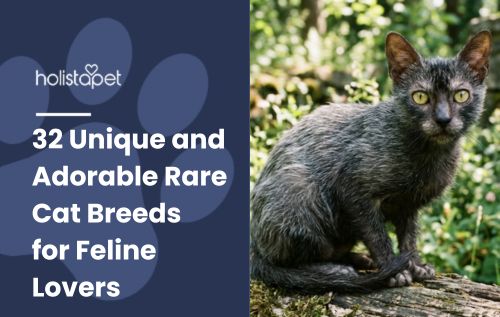
Rare cat breeds stand out for their unusual coat patterns, curled ears, striking appearances, and affectionate personalities. Our cat breed education library covers dozens of feline profiles to help you find the right match. Some originate from natural genetic mutations, while others were developed through selective breeding programs.
These breeds are often sought after due to their distinct physical traits and limited breeding populations.
What Makes a Cat Breed Rare?

A cat breed is considered rare when only a small number of registered cats exist worldwide. This often happens when breeding programs are limited.
Some breeds are also rare due to recent genetic mutations. Others take years to stabilize through selective breeding.
According to the Cat Fanciers Association, low registration numbers often define rarity. This is especially true for exotic breeds with specialized traits. The TICA: Cat Breed Directory also maintains official records for many of the rarest recognized breeds worldwide.
Several factors can make a rare cat harder to find:
-
Limited breeding populations
-
Strict breeding standards
-
Health concerns tied to certain traits
-
Geographic isolation from the Middle East, Asia, or other regions
-
Slow reproduction rates in some large cats and exotic breed lines
Some rare cats also stand out due to unusual features. These include folded ears, curly coats, and wild-looking ancestry.
What are the Most Rare Cat Breeds Today?
#1. American Curl
Breed Summary:
-
Country: United States
-
Overall Weight: 5 to 10 pounds
-
Overall Height: 9 to 12 inches
-
Cat Group: Domestic cat
-
Life Span: 12 to 16 years
-
Price Range: $800 to $2,000
The American Curl is best known for its uniquely curled ears, which result from a natural genetic mutation. This rare cat breed remains uncommon because breeders carefully maintain healthy bloodlines. These adaptable cats also attract cat lovers with their playful nature and friendly demeanor.
#2. Balinese
Breed Summary:
-
Country: United States
-
Overall Weight: 5 to 10 pounds
-
Overall Height: 8 to 11 inches
-
Cat Group: Long-haired cat breed
-
Life Span: 12 to 20 years
-
Price Range: $1,000 to $2,500
The Balinese developed from Siamese cats with a silky long coat and striking blue eyes. Many owners admire this highly intelligent breed because it learns tricks quickly and forms strong bonds with people.
#3. Bombay
Breed Summary:
-
Country: United States
-
Overall Weight: 6 to 11 pounds
-
Overall Height: 9 to 13 inches
-
Cat Group: Short-haired cat breed
-
Life Span: 12 to 16 years
-
Price Range: $500 to $2,000
The Bombay resembles a miniature black panther with round heads and copper eyes. Breeders created this exotic cat breed through selective breeding, which keeps the population relatively small.
#4. Peterbald
Breed Summary:
-
Country: Russia
-
Overall Weight: 6 to 10 pounds
-
Overall Height: 8 to 10 inches
-
Cat Group: Hairless cat
-
Life Span: 12 to 15 years
-
Price Range: $1,700 to $5,000
The Peterbald features large ears, long legs, and little to no fur. This rare breed came from a dominant genetic mutation discovered in Russia during the 1990s.
#5. Ragamuffin
Breed Summary:
-
Country: United States
-
Overall Weight: 10 to 20 pounds
-
Overall Height: 10 to 15 inches
-
Cat Group: Large cats
-
Life Span: 12 to 18 years
-
Price Range: $800 to $2,500
Ragamuffins have soft coats and an affectionate nature that makes them ideal companions for family life. Limited breeding programs still keep this healthy breed relatively rare.
#6. Egyptian Mau
Breed Summary:
-
Country: Egypt
-
Overall Weight: 6 to 14 pounds
-
Overall Height: 8 to 10 inches
-
Cat Group: Medium-sized cat breed
-
Life Span: 12 to 15 years
-
Price Range: $800 to $2,500
The Egyptian Mau remains one of the few naturally spotted breeds in the cat world. Experts connect this elegant feline to ancient cats from the Middle East and the African wildcat.
#7. Flat Headed Cat
Breed Summary:
-
Country: Southeast Asia
-
Overall Weight: 3 to 6 pounds
-
Overall Height: 7 to 9 inches
-
Cat Group: Small wildcat
-
Life Span: 10 to 14 years
-
Price Range: Rarely sold as pets
The Flat Headed Cat lives near wetlands and rivers in Southeast Asia. Habitat loss and low population numbers make this rare cat extremely difficult to spot in the wild.
#8. Tonkinese
Breed Summary:
-
Country: Canada
-
Overall Weight: 6 to 12 pounds
-
Overall Height: 8 to 10 inches
-
Cat Group: Domestic cat
-
Life Span: 12 to 16 years
-
Price Range: $600 to $1,500
The Tonkinese combines traits from Siamese and Burmese breeds. Owners often describe these outgoing cats as highly social because they thrive on companionship and mental stimulation.
#9. Turkish Van
Breed Summary:
-
Country: Turkey
-
Overall Weight: 10 to 18 pounds
-
Overall Height: 10 to 14 inches
-
Cat Group: Natural cat breed
-
Life Span: 12 to 17 years
-
Price Range: $800 to $3,000
The Turkish Van has a water-resistant coat and a strong interest in swimming. This unique feline remains uncommon outside its native region because relatively few breeders specialize in it.
#10. American Bobtail
Breed Summary:
-
Country: United States
-
Overall Weight: 7 to 16 pounds
-
Overall Height: 9 to 10 inches
-
Cat Group: American bobtail cat
-
Life Span: 13 to 18 years
-
Price Range: $600 to $1,200
The American Bobtail has a naturally shortened tail and wild looks similar to a bobcat. These adaptable cats also thrive in homes with other pets and children.
#11. Kurilian Bobtail
Breed Summary:
-
Country: Russia
-
Overall Weight: 8 to 15 pounds
-
Overall Height: 9 to 12 inches
-
Cat Group: Natural cat breed
-
Life Span: 15 to 20 years
-
Price Range: $700 to $3,000
The Kurilian Bobtail developed on remote islands between Russia and Japan. Limited exports and isolated breeding populations contribute to its rare status.
#12. Cornish Rex
Breed Summary:
-
Country: England
-
Overall Weight: 6 to 10 pounds
-
Overall Height: 8 to 12 inches
-
Cat Group: Curly coat cat breed
-
Life Span: 11 to 15 years
-
Price Range: $800 to $1,800
The Cornish Rex has curly fur that feels soft and fine to the touch. This high-energy breed stays active for years and enjoys interactive toys that help keep it mentally stimulated.
#13. Devon Rex
Breed Summary:
-
Country: England
-
Overall Weight: 5 to 10 pounds
-
Overall Height: 10 to 12 inches
-
Cat Group: Curly coat cat breed
-
Life Span: 9 to 15 years
-
Price Range: $1,000 to $3,000
The Devon Rex features oversized ears, large eyes, and an unusual coat with loose waves. Many cat lovers choose this breed because of its reputation for being affectionate.
#14. LaPerm
Breed Summary:
-
Country: United States
-
Overall Weight: 5 to 10 pounds
-
Overall Height: 6 to 10 inches
-
Cat Group: Curly coat cat breed
-
Life Span: 10 to 15 years
-
Price Range: $800 to $1,500
The LaPerm developed from a spontaneous genetic mutation that created curly fur and a textured coat. This rare breed remains uncommon because breeders focus on preserving stable traits.
#15. Havana Brown

Breed Summary:
-
Country: England
-
Overall Weight: 6 to 10 pounds
-
Overall Height: 8 to 10 inches
-
Cat Group: Short coat cat breed
-
Life Span: 12 to 15 years
-
Price Range: $1,000 to $2,500
The Havana Brown has a rich chocolate coat and bright green eyes. Small breeding pools continue to limit the number of pedigreed cats worldwide.
#16. Norwegian Forest Cat
Breed Summary:
-
Country: Norway
-
Overall Weight: 10 to 20 pounds
-
Overall Height: 9 to 12 inches
-
Cat Group: Large cats
-
Life Span: 13 to 18 years
-
Price Range: $800 to $2,000
The Norwegian Forest Cat developed thick fur to survive harsh Scandinavian winters. Despite growing popularity, this cat breed still has fewer breeders outside Europe.
#17. Pampas Cat
Breed Summary:
-
Country: South America
-
Overall Weight: 7 to 15 pounds
-
Overall Height: 10 to 14 inches
-
Cat Group: Wild cat
-
Life Span: 10 to 13 years
-
Price Range: Not commonly available as pets
The Pampas Cat roams grasslands across South America. Researchers rarely observe this shy feline in the wild, which adds to its mystery.
#18. Burmilla
Breed Summary:
-
Country: England
-
Overall Weight: 6 to 13 pounds
-
Overall Height: 8 to 10 inches
-
Cat Group: Domestic cat
-
Life Span: 10 to 15 years
-
Price Range: $800 to $2,000
The Burmilla originated from an accidental cross between Burmese and Persian cats. Its shimmering coat and calm personality continue to attract attention from cat lovers.
#19. Chartreux
Breed Summary:
-
Country: France
-
Overall Weight: 7 to 16 pounds
-
Overall Height: 9 to 11 inches
-
Cat Group: Natural cat breed
-
Life Span: 11 to 15 years
-
Price Range: $1,500 to $2,500
The Chartreux has dense blue-gray fur and quiet behavior. Breeding restrictions after World War II contributed to the breed’s limited numbers.
#20. Clouded Leopard
Breed Summary:
-
Country: Asia
-
Overall Weight: 25 to 50 pounds
-
Overall Height: 20 to 25 inches
-
Cat Group: Wild cat
-
Life Span: 11 to 17 years
-
Price Range: Protected species
The Clouded Leopard has an unusual coat marked with cloud-shaped patterns. Scientists consider this feline important because it bridges traits between large cats and smaller wild species.
#21. Sokoke Forest Cat
Breed Summary:
-
Country: Kenya
-
Overall Weight: 5 to 10 pounds
-
Overall Height: 7 to 9 inches
-
Cat Group: Natural cat breed
-
Life Span: 10 to 15 years
-
Price Range: $1,500 to $2,500
The Sokoke Forest Cat comes from Kenya’s coastal forests and has a marbled coat pattern. Few breeding lines exist outside Africa, which keeps the breed rare.
#22. Khao Manee
Breed Summary:
-
Country: Thailand
-
Overall Weight: 8 to 10 pounds
-
Overall Height: 10 to 12 inches
-
Cat Group: Khao manee cats
-
Life Span: 10 to 15 years
-
Price Range: $7,000 to $11,000
The Khao Manee has pure white fur and striking blue eyes or odd-colored eyes. Royal families in Thailand once kept these cats as symbols of luck.
#23. Kodkod
Breed Summary:
-
Country: Chile
-
Overall Weight: 4 to 7 pounds
-
Overall Height: 8 to 10 inches
-
Cat Group: Small wildcat
-
Life Span: 10 to 12 years
-
Price Range: Protected species
The Kodkod ranks among the smallest wild cats in the world. Deforestation across South America threatens this elusive feline.
#24. Oncilla
Breed Summary:
-
Country: Central and South America
-
Overall Weight: 3 to 7 pounds
-
Overall Height: 9 to 11 inches
-
Cat Group: Small wildcat
-
Life Span: 11 to 17 years
-
Price Range: Protected species
The Oncilla resembles a miniature leopard with a spotted coat and long tail. Researchers rarely encounter this nocturnal hunter in dense forests.
#25. Margay
Breed Summary:
-
Country: Central and South America
-
Overall Weight: 5 to 11 pounds
-
Overall Height: 10 to 12 inches
-
Cat Group: Wild cat
-
Life Span: 13 to 20 years
-
Price Range: Protected species
The Margay spends much of its life in trees and can rotate its ankles for climbing. Habitat destruction continues to reduce wild populations.
#26. Minskin
Breed Summary:
-
Country: United States
-
Overall Weight: 4 to 6 pounds
-
Overall Height: 7 to 8 inches
-
Cat Group: Hairless cat
-
Life Span: 12 to 15 years
-
Price Range: $2,000 to $4,000
The Minskin combines short legs with sparse fur and a compact body. This exotic breed remains difficult to find because very few breeders produce kittens each year.
#27. Korat
Breed Summary:
-
Country: Thailand
-
Overall Weight: 6 to 10 pounds
-
Overall Height: 8 to 10 inches
-
Cat Group: Natural cat breed
-
Life Span: 10 to 15 years
-
Price Range: $800 to $2,000
The Korat has a silver blue coat and large green eyes. Many people in Thailand consider this rare cat a symbol of prosperity.
#28. Sand Cat
Breed Summary:
-
Country: North Africa and Asia
-
Overall Weight: 4 to 8 pounds
-
Overall Height: 9 to 12 inches
-
Cat Group: Wild cat
-
Life Span: 10 to 13 years
-
Price Range: Protected species
The Sand Cat survives in harsh desert climates with thick paw fur and powerful hunting instincts. Researchers still know little about its behavior in remote regions.
#29. Wildcat
Breed Summary:
-
Country: Europe, Africa, and Asia
-
Overall Weight: 6 to 18 pounds
-
Overall Height: 12 to 16 inches
-
Cat Group: Wild cat
-
Life Span: 12 to 15 years
-
Price Range: Not domesticated
The Wildcat shares ancestry with the domestic cat and the African wildcat. Conservationists monitor these populations closely because hybridization threatens pure bloodlines.
#30. Serengeti Cat

Breed Summary:
-
Country: United States
-
Overall Weight: 8 to 15 pounds
-
Overall Height: 10 to 12 inches
-
Cat Group: Exotic cat breed
-
Life Span: 12 to 15 years
-
Price Range: $1,000 to $2,500
The Serengeti Cat has long legs, large ears, and spotted markings that resemble wild ancestors. Breeders developed this breed to create wild looks without using wild bloodlines.
#31. Scottish Fold
Breed Summary:
-
Country: Scotland
-
Overall Weight: 6 to 13 pounds
-
Overall Height: 8 to 10 inches
-
Cat Group: Domestic cat
-
Life Span: 11 to 15 years
-
Price Range: $1,000 to $3,000
The scottish fold became famous for folded ears caused by a dominant genetic mutation. Ethical breeding concerns and limited bloodlines contribute to its rarity.
#32. Maine Coon
Breed Summary:
-
Country: United States
-
Overall Weight: 10 to 25 pounds
-
Overall Height: 10 to 16 inches
-
Cat Group: Large cats
-
Life Span: 12 to 15 years
-
Price Range: $1,000 to $3,500
The Maine Coon ranks among the largest domestic cat breeds and has a thick weather-resistant coat. High demand and careful breeding standards make well-bred kittens difficult to find.
How Do I Care for a Rare Cat Breed?
Rare cat breeds require care that matches their coat type, activity level, and overall body structure. Routine grooming, balanced nutrition, mental stimulation, and preventive veterinary care all contribute to maintaining general health and comfort.
|
Care Area |
Why It Matters |
Helpful Tools |
Best For |
|
Grooming |
Prevents skin and coat issues |
Brushes and wipes |
Curly fur and long coat breeds |
|
Activity |
Keeps minds active |
Puzzle toys and climbing trees |
Outgoing cats |
|
Nutrition |
May help support healthy weight management |
Protein-rich diets |
Large cats |
|
Stress Support |
May help support calmer behavior when paired with consistent routines and environmental enrichment |
Incredibly social breeds |
|
|
Veterinary Care |
Detects early health concerns |
Routine exams |
All rare cat breeds |
Learn the Breed’s Specific Needs
Care requirements vary depending on genetics and physical traits. Understanding a breed’s natural characteristics helps guide daily routines.
-
Hairless breeds may need regular skin care to maintain cleanliness
-
Long-haired and curly-coated cats may require more frequent grooming
-
Large breeds often benefit from more space for movement
-
Active breeds typically need structured play and stimulation
-
More independent cats may prefer quiet environments
Each cat may respond differently depending on temperament and lifestyle.
Keep Grooming Simple but Consistent
Some rare breed cats need minimal grooming, while others require weekly brushing to prevent tangles and skin issues. The Turkish Angora and Norwegian Forest Cat both benefit from regular coat maintenance because of their dense fur.
According to Cornell Feline Health Topics, routine grooming also helps owners detect skin infections, parasites, and early health changes faster.
-
Check ears and nails weekly
-
Brush long-haired breeds regularly
-
Clean skin folds on hairless cats
-
Watch for shedding or coat texture changes
Support Mental and Physical Activity
Some breeds are more active or intelligent and require consistent stimulation through play and environmental enrichment. Interactive routines may help support mental stimulation and encourage positive indoor behavior.
-
Use puzzle toys for food rewards
-
Rotate interactive toys every few days
-
Create climbing areas for long legs and agile breeds
-
Encourage short daily play sessions
Breeds descended from wild ancestors, including the Bengal Cat and Savannah Cat, often stay more active than the average domestic cat.
Focus on Nutrition and Weight Control
Rare breeds often have different metabolisms and muscle structures. Medium-sized breeds may gain weight quickly indoors, while active felines burn calories faster.
-
Choosing protein-rich meals may help support healthy weight management in cats.
-
Monitor portion sizes carefully
-
Keep fresh water available daily
-
Schedule routine veterinary checkups
The Association for Pet Obesity Prevention reported that excess weight increases joint and heart risks in cats, especially less active indoor pets.
Support Calm Behavior and Wellness
Calming routines for cats may include environmental enrichment, consistent daily schedules, and other veterinarian-guided wellness approaches. These methods may help support a more stable and comfortable environment depending on the individual cat’s needs.
Some pet owners consider calming support strategies such as structured routines, enrichment activities, and daily oil drops for cats as part of behavior-focused care. The suitability of any approach may vary depending on the cat’s health condition and should always be discussed with a licensed veterinarian.
In some cases, veterinarians may evaluate additional supportive options based on the cat’s specific needs. These decisions should always prioritize safety, medical history, and professional guidance.
Frequently Asked Questions
Are rare cat breeds good for apartment living?
Yes, many rare cat breeds adapt well to apartment life when owners provide enough mental stimulation and exercise. Breeds with an affectionate nature and moderate activity levels often do well indoors.
Which rare cat breeds get along with other pets?
Several rare breeds coexist peacefully with other pets, especially social and adaptable cats like the Ragamuffin, Tonkinese, and American Bobtail. Early socialization helps build strong bonds in multi-pet homes.
Do rare cat breeds cost more than other breeds?
Yes, most rare cat breeds cost more because breeders maintain limited bloodlines and specialized breeding programs. Veterinary care, registration, and transportation also increase prices for pedigreed cats.
Which rare cat breeds stay the most active?
Breeds descended from wild ancestors often display higher activity levels. The Bengal Cat, Savannah Cat, and Serengeti Cat often need climbing spaces, interactive play, and daily enrichment.
Are rare cats harder to train?
No, many rare breeds learn quickly because they rank among the most highly intelligent cats. Some cats learn tricks, respond to routines, and enjoy puzzle solving activities.
Which rare cat breeds need the least grooming?
Short-haired breeds and some hairless cat varieties usually need minimal grooming. The Peterbald and Bombay often require less brushing than long-coated breeds.
Do rare cat breeds make great family pets?
Yes, many rare breeds become great family pets because of their friendly demeanor and social personalities. Proper training and early exposure help cats adjust to busy family life.
Which rare cat breeds have the most unusual appearance?
Several breeds stand out for their unique appearance, including the American Curl with curled ears, the Cornish Rex with curly fur, and the Khao Manee with bright blue eyes. If you are still deciding on a breed, our guide to what feline breed is right for me can help narrow down the best match for your lifestyle and home.






Leave a comment
All comments are moderated before being published.
This site is protected by hCaptcha and the hCaptcha Privacy Policy and Terms of Service apply.