

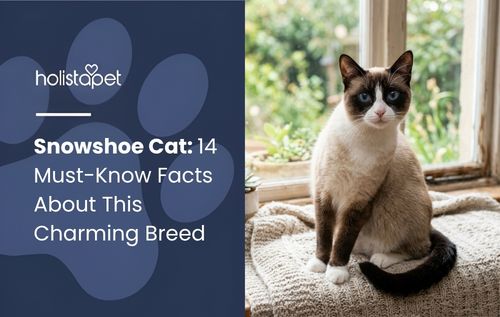
The Snowshoe cat is a rare and striking breed known for its blue eyes, white “sock-like” paws, and pointed coat pattern. Developed from Siamese and American Shorthair ancestry, it is admired for its affectionate nature, intelligence, and well-balanced athletic build explore more cat breed profiles to find the perfect feline companion.
Below are 14 essential facts to help you understand this unique feline, recognized by the TICA: Cat Breed Directory as one of the more distinctive pointed breeds.
Snowshoe Cat Origin and History
1. Snowshoe Cat Origin
The Snowshoe cat originated in the United States during the 1960s. Siamese breeder Dorothy Hinds-Daugherty discovered kittens with unusual white feet in one of her Siamese litters. This discovery led her to develop a new breed that would preserve these distinctive markings.
2. Breed Development
To establish the Snowshoe breed, Siamese cats were crossed with American Shorthairs. The goal was to combine the Siamese’s pointed coloration and intelligence with the sturdier, more balanced body type of the American Shorthair.
3. Early Challenges in Recognition
The breed initially struggled to gain consistent recognition due to limited breeders and unpredictable coat patterns. Interest declined at times, making the Snowshoe relatively rare for many years.

4. Breed Revival
In the late 1970s and early 1980s, dedicated breeders helped stabilize and refine the Snowshoe’s standards. By 1982, the breed gained championship status in select cat associations, increasing its visibility.
5. Rarity of the Snowshoe Cat
Even today, the Snowshoe remains uncommon, especially outside the United States. Its strict marking standards make it challenging for breeders to consistently produce show-quality cats.
6. Snowshoe Cat Personality
Snowshoe cats are known for being affectionate, social, and people-oriented. They often form strong bonds with their owners and enjoy being involved in daily household activities.
They are also intelligent cats that can learn routines, respond to interaction, and enjoy games like fetch or puzzle toys similar in spirit to the equally curious sphynx, another highly social and people-oriented breed.
7. Social Behavior
Snowshoes generally get along well with children and other pets when properly introduced. They prefer companionship and may become lonely if left alone for long periods.
If you enjoy learning about other sociable breeds, our profile on the arabian mau highlights another affectionate and active cat worth exploring.
8. Snowshoe Cat Appearance
This breed is best known for:
- White “mittens” on the paws
- Blue eyes
- Pointed coat pattern (similar to Siamese cats)
- Symmetrical facial markings
Each Snowshoe cat has a unique pattern, especially on the face and paws.
9. Body Structure
Snowshoes have a medium, well-balanced body influenced by both Siamese and American Shorthair genetics. They are muscular without being bulky, giving them an athletic yet graceful appearance.

10. Size and Weight
Snowshoe cats are medium-sized:
- Males: 9–12 pounds
- Females: 7–10 pounds
They maintain a lean, athletic build rather than a heavy frame.
11. Head, Eyes, and Ears
- Head: Slightly triangular with high cheekbones
- Eyes: Medium-sized, slightly slanted, always blue
- Ears: Medium, rounded tips, well-proportioned
These features give the Snowshoe its expressive and gentle appearance.
12. Coat and Color
The Snowshoe has a short to medium-length smooth coat. Recognized patterns include:
- Seal point
- Blue point
- Mitted or bicolor patterns with white markings
White spotting is essential, especially on the paws.

13. Lifespan and Health
Snowshoe cats typically live 12–15+ years with proper care. They are generally healthy, although, like many cats, they may be prone to:
- Diabetes
- Feline Immunodeficiency Virus (FIV)
- Upper respiratory infections
- Heartworm (rare but possible in cats)
Regular veterinary checkups and a balanced diet help maintain long-term health — the Cornell Feline Health Topics resource is an excellent reference for staying informed on common feline conditions.
14. Snowshoe Cat Care
Grooming
Snowshoes require minimal grooming. Brushing them once a week helps reduce shedding, prevent hairballs, and maintain coat shine.
Nutrition
A high-quality, portion-controlled diet is recommended, and many owners also incorporate hemp extract drops for cats into their cat's daily wellness routine to support calm and overall balance. Feeding schedules or timed feeders may help maintain a healthy weight.
Social Needs
These cats thrive on companionship. They do best in homes where they receive daily interaction and mental stimulation.
Pairing daily interaction with cat treats with CBD can be a simple and rewarding way to reinforce bonding time while supporting your Snowshoe's overall wellness.
Snowshoe Cat History in Brief

Although the modern breed was developed in the 1960s, occasional white-footed Siamese-type cats were documented earlier in history. These observations helped spark interest in selectively breeding the Snowshoe cat.
Final Thoughts
The Snowshoe cat is a rare yet highly affectionate breed that combines intelligence, beauty, and a friendly temperament. With their unique markings and social personality, they make excellent companions for families and individuals who can provide attention and interaction.
If you are looking for a loyal, interactive, and strikingly beautiful cat, the Snowshoe is a breed worth considering browse our full range of CBD oil products for cats to help keep your new companion feeling their best.
FAQs
What Is A Snowshoe Cat?
A Snowshoe cat is a medium-sized cat breed known for its striking blue eyes, unusual white feet, and pointed colors. The Snowshoe breed was developed by crossing Siamese cats with American Shorthairs to create a well-balanced cat with a unique combination of beauty, intelligence, and affectionate companionship.
Who Created The Snowshoe Breed?
The Snowshoe breed was created by Dorothy Hinds Daugherty, a Siamese cat breeder who discovered three kittens with four white feet in a litter. Fascinated by their appearance, she began developing this new breed through careful breeding programs.
Why Do Snowshoe Cats Have White Feet?
Snowshoes have white feet because of the white spotting gene. This gene determines the breed's signature markings, including four white feet, tuxedo markings, and the preferred inverted white "V" pattern on the face.
Are Snowshoe Cats Related To Siamese Cats?
Yes. The Snowshoe is closely related to the Siamese. The breed originated from crossing Siamese cats with American Shorthair cats, making Snowshoes one of the Siamese cousins. They retain many Siamese traits, including blue eyes, pointed ears, and a melodic voice.
What Do Snowshoe Kittens Look Like At Birth?
Like many pointed breeds, Snowshoe kittens are born totally white. Their markings gradually appear as they grow, and their ears darken along with other color points. Shading darkening continues throughout their cat's lifetime.
What Colors Can Snowshoe Cats Have?
Snowshoes commonly appear in seal point and blue point varieties, though other Siamese colors may occur. Their coats feature pointed colors combined with white markings that create the breed's distinctive appearance.
How Big Do Snowshoe Cats Get?
The Snowshoe is considered a medium-sized cat with an athletic build. Most Snowshoes are neither too small nor too large, falling into the medium to large category. A Snowshoe male typically weighs more than a Snowshoe female, although females match males in elegance and agility.
What Is The Snowshoe Personality Like?
The Snowshoe personality is known for being sweet-tempered, social, and people-oriented. A Snowshoe likes being involved in family activities and often forms a primary bond with one person while maintaining friendships with everyone in the household.






1 comment
Linda Lorentsen
I’m looking for a new cat and this breed sounds perfect. I am mildly allergic to cats. I’ve had Egyptian Maus in the past and never had a problem. How likely is a Snowshoe to cause an allergic reaction?
Leave a comment
All comments are moderated before being published.
This site is protected by hCaptcha and the hCaptcha Privacy Policy and Terms of Service apply.