


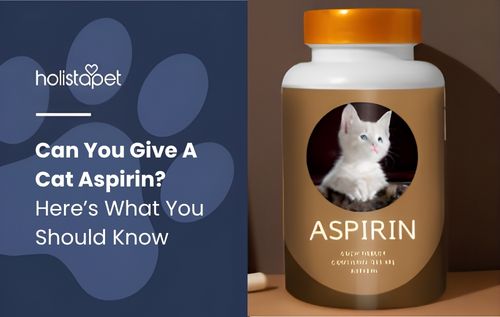
A cat in pain pushes many pet owners to check the medicine cabinet for quick pain relief, while others explore alternatives like cbd oil for comfort and wellness support. The question, Can you give a cat aspirin has a clear answer.
Cats process aspirin slowly, which increases toxicity risk without veterinary supervision. Aspirin can cause serious side effects in cats and may do more harm than good.
Can You Give Aspirin to Cats?

Veterinary experts strongly advise against giving aspirin to cats without direct guidance.
According to the American Society for the Prevention of Cruelty to Animals and animal poison control centers, cats process acetylsalicylic acid much slower than other species due to limited liver enzymes, which increases the risk of toxicity.
Research in feline medicine shows that even a low dose aspirin can disrupt blood clotting, damage the stomach lining, and lead to kidney damage or liver damage.
According to the Cornell Feline Health Center, veterinarians prescribe aspirin only in rare cases and calculate dosing carefully based on body weight, but unsupervised use remains extremely dangerous for cats.
What Kind of Aspirin Can Cats Take?
No form of aspirin counts as safe for cats without veterinary direction.
The U.S. Food and Drug Administration and the ASPCA Animal Poison Control Center warn that standard and even lower dose aspirin can build up in a cat’s body because cats lack key liver enzymes to break down acetylsalicylic acid efficiently.
A veterinarian may prescribe a very specific dose in rare cases for issues like reducing inflammation or managing blood flow, but this falls under controlled feline medicine with careful monitoring.
Any attempt to choose or adjust aspirin at home places cats at increased risk of gastrointestinal upset, bleeding disorders, kidney damage, and other serious side effects.
What are Some Aspirin Alternatives for Cats?
Safe pain relief for cats requires medications designed specifically for feline metabolism. Veterinarians recommend safer alternatives, including glucosamine and chondroitin, that target pain, inflammation, and recovery without the same risks.
|
Option |
Purpose |
Veterinary Oversight |
Key Notes |
|
Veterinary NSAIDs |
Pain relief and inflammation |
Required |
Short term use, monitor kidneys and liver |
|
Opioid Medication |
Moderate to severe pain |
Required |
Strong effect, controlled dosing |
|
Physical Rehabilitation |
Mobility and recovery |
Recommended |
Non drug support, improves blood flow |
|
CBD Products |
Comfort and calm support |
Recommended |
Consult vet, use pet specific products |
|
Nutritional Support |
Long term joint health |
Optional |
Supports inflammation and appetite |
Veterinary Prescribed NSAIDs for Cats
Veterinary-approved NSAIDs designed for cats provide controlled pain relief and reduce inflammation.
- The U.S. Food and Drug Administration approves drugs such as meloxicam for limited feline use under veterinary supervision.
- A veterinarian calculates dose based on body weight and monitors kidneys and liver
- Used for short-term treatment after surgery or injury
Opioid Pain Medication
Vets may prescribe stronger pain medication for moderate to severe pain.
- Buprenorphine remains a common choice in feline medicine
- Provides relief without damaging the stomach lining like nonsteroidal anti-drugs
- Veterinarians must supervise opioid pain treatment closely.
Physical Rehabilitation
Non drug approaches help relieve pain and improve blood flow.
- Includes gentle movement therapy and guided exercise
- Supports recovery from arthritis and injury
- Helps cats suffering from chronic pain regain mobility
CBD and Natural Support Options
Some pet owners study natural CBD oil for cats for pain and inflammation support.
- Researchers at Cornell University found that CBD may help reduce arthritis-related pain in animals, while findings from PubMed: Pharmacokinetics and Safety of CBD in Cats further explored how cats process CBD and its overall safety profile.
- Holistapet produces CBD cat snacks and daily oil drops for cats that support calm behavior and comfort in cats.
- Always talk to your veterinarian before adding CBD or combining it with other medications
Nutritional and Supportive Care
Dietary adjustments and joint supplements support long-term comfort in cats.
- Omega-3 fatty acids may help reduce inflammation
- Joint supplements support cartilage health and blood supply
- Encourages better appetite in cats with decreased appetite
Environmental stressors and irritation discussed in how do indoor cats get fleas may also contribute to discomfort and behavioral changes in cats.
How Do I Give Aspirin to Cats?

Step #1: Talk to your veterinarian immediately
Step #2: Confirm the exact dose
Step #3: Use only plain aspirin
Step #4: Give with food
Step #5: Monitor for side effects
Step #6: Stop and seek help if issues appear
Manage Feline Pain Properly
Frequently Asked Questions






Leave a comment
All comments are moderated before being published.
This site is protected by hCaptcha and the hCaptcha Privacy Policy and Terms of Service apply.