

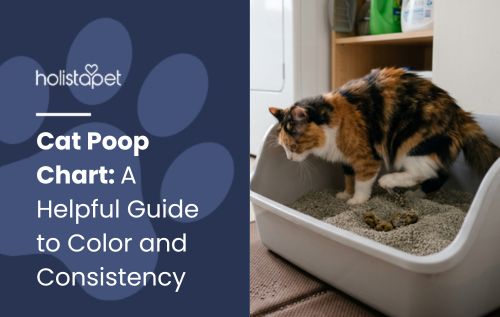
Cat poop color and consistency provide useful insights into a cat's digestive health, making the litter box an important daily checkpoint. For more guidance on keeping your cat healthy, visit our cat care help hub.
This cat poop chart breaks down what looks normal, what signals concern, and when a visit to the vet makes sense.
How Do I Know if My Cat’s Poop is Healthy?

Healthy cat poop shows clear signs of proper digestion and overall health. A quick check in the litter box often gives enough clues.
Most cats produce stool with these traits:
-
Color typically stays deep brown to dark brown, which is commonly associated with normal digestion
-
Shape appears log-shaped or sausage-shaped, showing smooth movement through the digestive tract
-
Healthy stool should feel firm, well-formed, and neither too dry nor too soft
-
Form holds together and scoops easily without residue
-
Odor stays mild, not strong or foul
Watch your cat’s litter box habits:
-
Regular bowel movements without straining
-
No sudden change in frequency or appearance
-
No undigested food in the cat’s feces
-
No foreign objects like hair or rubber bands
Research from Cornell University College of Veterinary Medicine links changes in cat stool to early health concerns. Check for warning signs:
-
Hard or infrequent stool may be associated with constipation in cats
-
Loose stool or diarrhea may sometimes reflect dietary changes or digestive sensitivity
-
Red streaks may suggest irritation in the digestive tract and may need observation
-
Very dark stool may sometimes reflect changes in digestion and may be worth checking with a veterinarian if it persists — research from the Cornell Feline Health Center supports routine monitoring for persistent stool changes.
-
Ongoing changes lasting more than two days may warrant consultation with a veterinarian
Cat Poop Chart: How Do I Check My Cat’s Poop?
A quick visual check can help identify changes in digestion before other symptoms appear. Focus on color and consistency, since both reflect how the digestive tract functions.

-
Color: Deep brown to dark brown signals healthy digestion, while red streaks, very pale tones, or black stool may point to blood, dietary issues, or internal bleeding.
-
Shape: Well-formed, log-shaped stool typically reflects normal bowel movement and digestive function.
-
Consistency: Firm with normal consistency indicates balance, while dry stool may suggest dehydration or reduced water intake.
-
Contents: Healthy stool should not contain undigested food, worms, or foreign objects such as hair or rubber bands.
Can You Smell If a Cat’s Poop is Healthy?
Yes. A cat’s stool odor can give clues about digestive balance.
Healthy cat poop usually has a mild, earthy smell that is easy to manage during daily litter box cleaning. This typically reflects normal digestion and consistent diet.
In contrast, noticeable changes in smell may indicate digestive imbalance:
-
A strong odor may suggest difficulty in food digestion or gut imbalance.
-
A sour smell can reflect dietary sensitivity or food intolerance in some cats.
-
Persistent foul odor may indicate ongoing digestive changes that may require veterinary evaluation.
-
Unusual or unusually strong odor can point to possible digestive concerns or gut imbalance.
-
A very strong odor may reflect disruptions in digestion or bacterial balance.
-
Persistent foul smell may be associated with underlying digestive conditions and should be checked by a veterinarian if it continues.
If the smell lasts more than two days or comes with other symptoms like diarrhea or abdominal pain, a veterinarian should check the cat's health. Stress can also play a role learn to recognize the signs of anxiety in cats that may affect digestion.
Cat Poop Consistency Chart

How Often Does a Cat Normally Poop?
Most cats poop once or twice a day under normal conditions.
The American Animal Hospital Association notes that healthy bowel movements depend on diet, hydration, and the cat’s physical condition, while the Cornell University College of Veterinary Medicine explains that indoor cats with consistent eating habits tend to follow a regular schedule.
A sudden change in frequency, such as no stool or frequent diarrhea lasting more than two days, can signal health concerns that require a veterinarian.
When Should I Take My Cat to the Vet for Poop Concerns?
It may be helpful to consult a veterinarian if stool changes persist for more than two days or show concerning signs:
-
Blood in stool may suggest irritation or inflammation
-
Very dark stool may sometimes indicate digested blood and may need evaluation
-
Frequent diarrhea may increase risks of dehydration
-
No bowel movement may suggest constipation or blockage
-
A hard stool may reflect dehydration or digestive-imbalance
-
Vomiting alongside stool changes may indicate broader digestive issues
-
Lethargy or low energy may suggest underlying health concerns
-
Loss of appetite may affect digestion and overall health
Immediate veterinary care is recommended if your cat strains without producing stool or passes foreign objects
Cat Poop Color Chart

How Do I Ensure Better Poop Quality for My Cat?
Improving cat poop starts with better digestion. Focus on diet, hydration, and daily habits to support healthy bowel movements.
Feed a balanced, high-quality diet
Proper nutrition may help support normal digestive function.
Choose protein-rich food suited for a cat’s age and physical condition
-
Avoid sudden change in diet to prevent digestive issues
-
Limit low-quality fillers that can lead to undigested food in stool
The Merck Veterinary Manual states that diet directly affects stool consistency and overall digestive health. A study published by PubMed: Pharmacokinetics and Safety of CBD in Cats also highlights how certain supplements may support feline wellness when diet alone falls short.
Support hydration daily
Adequate water intake may help keep stool soft and easier to pass. Dehydration often leads to dry stool and cat constipation.
-
Keep a clean water bowl accessible at all times
-
Encourage drinking with fresh water daily
-
Add moisture-rich food if needed Some pet owners also explore a CBD oil dropper for cats as part of a broader wellness routine to support digestive balance.
Maintain a clean litter box routine
Clean habits help track changes and support regular bowel movements. A well-maintained cat’s litter box also encourages consistent use.
-
Scoop waste daily to monitor cat poop changes
-
Keep the litter box in a quiet, low-stress area
-
Watch for shifts in cat’s litter box habits
Manage stress and activity
Stress may influence digestive function and lead to changes in stool consistency. Regular activity may help support normal gut movement.
-
Provide daily play to stimulate natural movement
-
Keep routines stable to avoid digestive upset
-
Monitor for other signs like changes in eating or behavior. Some cat owners use hemp cat biscuits or hemp oil drops for cats to help support calm digestion and overall gut comfort.
Cat Poop Shows Feline Health Quality

Cat poop offers a quick, reliable sign of a cat’s health. Consistent color, shape, and smell reflect a well-functioning digestive system, while changes often signal health issues.
Regular checks help catch problems early and support better cat care.
Frequently Asked Questions
Can a cat skip a day without pooping?
Yes. Some cats skip a day due to diet or routine changes. Monitor closely and contact a veterinarian if no bowel movements occur for more than two days.
Why does my cat’s poop change after switching food?
Dietary changes affect the digestive tract. A sudden change can cause diarrhea or soft stool while the body adjusts to new food.
Do indoor cats have different poop patterns than outdoor cats?
Yes. Indoor cats usually follow more consistent eating and bathroom routines, which leads to more predictable bowel movements.
Can hair affect my cat’s stool?
Yes. Hair from grooming can pass into the stool. Small amounts stay normal, but frequent buildup may cause digestive issues or constipation.
What causes mucus in cat stool?
Mucus often signals irritation in the gastrointestinal tract. It may link to dietary issues, stress, intestinal parasites, or exposure to plants that are toxic to felines.
Is it normal for cat poop to vary slightly day to day?
Yes. Minor changes in consistency or smell can happen based on food, hydration, and activity. Large or persistent changes may signal health concerns.






Leave a comment
All comments are moderated before being published.
This site is protected by hCaptcha and the hCaptcha Privacy Policy and Terms of Service apply.