

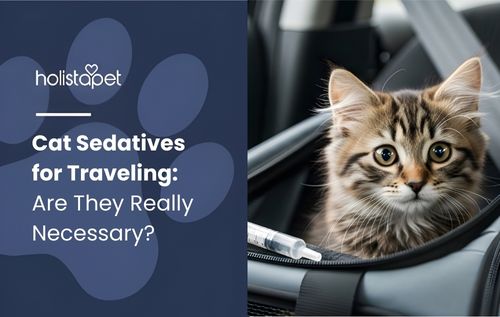
Cat sedatives for travelling are not always necessary, but they can help in certain cases. Travel can trigger stress, panic, or fear, especially in anxious cats or those that react strongly to change.
Some cats stay calm, while others cry, scratch, or show clear distress. Understanding these reactions helps determine if calming support makes sense.
For more travel tips, wellness advice, and everyday feline guidance, browse our complete collection of cat care education articles.
Key Takeaways
- Most cats travel safely without sedatives when given proper preparation.
- Veterinarians usually recommend sedatives only for severe anxiety or specific medical needs.
- Natural calming options can help reduce mild travel stress in some cats.
- Carrier training and a familiar environment often improve the travel experience.
- Air travel requires extra planning because many airlines discourage sedated pets.
- Always consult a veterinarian before giving any medication or calming supplement for travel.
Should You Use Cat Sedatives for Travelling?

Cat sedatives for travelling can ease anxiety in specific situations, but most cats do not need them. Many cats handle car rides or short trips with simple calming techniques. Cats that experience intense stress often benefit from medication a veterinarian prescribes.
The right choice depends on the cat’s anxiety level, overall health, and the type of trip planned.
What's the Difference Between Sedatives and Other Calming Products?
Sedatives and calming products work differently. Sedatives make a cat sleepy and reduce activity, while calming products and stress reduction techniques help lower anxiety without causing significant drowsiness.
Key differences:
- Sedatives require a veterinarian's prescription and suit severe travel anxiety.
- Calming treats, pheromones, and supplements support mild stress.
- Carrier training and a familiar environment reduce anxiety without medication.
- Sedatives affect alertness, while calming products aim to keep the cat relaxed and responsive.
Many cats do well with a combination of carrier training, environmental preparation, and calming products. Cats with severe anxiety or underlying medical conditions should receive veterinary guidance before travel.
When to Sedate Your Cat for Travelling
A calm trip starts with knowing when extra support makes sense. Consider sedation only when stress becomes unmanageable or creates safety risks.
Severe Travel Anxiety
Some cats panic during car rides or flights and show intense fear.
Signs that may justify sedation:
- Rapid heart rate
- Aggression or panic inside the carrier
- Vomiting or nausea linked to anxiety
- Inability to settle after extended periods
History of Extreme Stress During Trips
Most cats adjust over time, but some continue to react intensely.
Common scenarios:
- Past vet visits that triggered lasting fear
- Anxiety that worsens with each trip
- Strong reactions despite calming efforts
Medical or Safety Concerns
Certain health issues increase the dangers linked to stress.
Situations that require caution:
- Low or unstable blood pressure
- Difficulty regulating body temperature
- Risk of injury from panic or excessive movement
Long or Complex Travel Plans
Longer trips increase the chance of exhaustion and distress.
Examples include:
- Extended car travel
- Air travel with limited space
- Two cats sharing a carrier without enough room
Veterinary Recommendation
A veterinarian must prescribe sedatives or anxiety medication.
Key points:
- Follow accurate dosing instructions to reduce side effects
- Schedule a trial run to observe the cat’s response
- Ask about short term options such as gabapentin or trazodone
Sedation works best as part of a complete plan that includes calming supplements, treats, natural remedies, and thoughtful preparation to lower stress for both cats and their owners.
What are the Most Popular Sedatives for Cats?
Veterinarians may recommend medications based on the cat's anxiety level, medical history, and travel plans.
Gabapentin
Gabapentin is one of the most common choices for travel anxiety. It helps many cats feel calmer while remaining responsive during the trip, often lasting 6 to 12 hours. Veterinarians often recommend giving the medication several hours before departure and may suggest a trial dose before travel day to evaluate the cat's response.
Trazodone
Trazodone helps reduce anxiety and fear in some cats during stressful events. Veterinarians sometimes prescribe it alone or in combination with gabapentin for cats that need additional support. Accurate dosing remains essential to reduce the risk of excessive sleepiness or other side effects.
Pregabalin
Pregabalin works in a similar way to gabapentin and may help lower anxiety before travel. Some veterinarians prescribe it as an alternative when they believe it better suits the cat's individual needs or previous response to treatment.
Benzodiazepines
Medications such as alprazolam or lorazepam may help cats with severe anxiety in certain situations. These drugs require close veterinary supervision because some cats experience unexpected excitement or confusion instead of relaxation.
Acepromazine
Acepromazine mainly causes sedation and does not treat anxiety itself. It may also lead to low blood pressure if used incorrectly.
Many veterinarians now prefer medications that reduce fear while allowing the cat to remain calmer during travel. This approach often leads to a safer and less stressful experience.
Are There Natural Cat Sedatives?

Yes. Natural calming options can help reduce mild travel anxiety in many cats. They do not create the same level of sedation as prescription medication, but they can support relaxation as part of a complete travel plan.
Carrier Training
Carrier training helps a kitty feel safe before travel instead of seeing the carrier as a source of stress. Try these simple steps:
- Leave the carrier open at home several days before the trip.
- Place familiar bedding, toys, or treats inside.
- Reward calm behavior after each practice session.
Environmental Preparation
A familiar environment can lower stress before leaving home. Small changes often make a noticeable difference for cats prone to travel anxiety. Helpful preparations include:
- Keep feeding and play schedules consistent.
- Reduce loud noises before departure.
- Place a blanket with familiar scents inside the carrier.
- Maintain a comfortable temperature throughout the trip.
L-theanine Supplements
L theanine is an amino acid found in tea leaves that may help promote relaxation without causing heavy sedation. A 2018 multicenter study published in the Irish Veterinary Journal found that cats receiving an L theanine supplement showed significant improvements in stress related behaviors after 30 days, with many cats showing noticeable improvement within 15 days.
Always schedule a veterinary appointment before starting any new supplement to confirm it suits the cat's health and any underlying medical conditions.
Calming Treats
Many calming treats contain ingredients such as L-tryptophan, alpha-casozepine, botanical extracts, or natural CBD oil for cats to encourage relaxation. These products work best for mild anxiety instead of severe panic.
For the best results:
- Test the treats several days before travel.
- Follow the recommended serving size and never administer extra amounts.
- Monitor the cat for unusual reactions, especially if taking other forms of treatment.
- Stop using the product and contact a veterinarian if any concerning symptoms develop.
HolistaPet's CBD cat snacks offer another choice to discuss with a veterinarian. Some pet parents also consider daily oil drops for cats as part of a veterinarian-approved wellness routine for travel preparation. They work best alongside good travel preparation instead of replacing carrier training or other stress reducing techniques.
Catnip
Catnip may help some cats feel more relaxed after a brief period of excitement, but the response varies from one cat to another. Around half to two thirds of cats inherit the ability to react to catnip, while others show little or no response.
Keep these tips in mind:
- Test catnip at home before travel.
- Use only a small amount to observe the cat's reaction.
- Stop using it if the cat becomes overly excited instead of calm.
Silvervine
Silvervine comes from a climbing plant native to Asia and affects more cats than catnip. Research published in iScience found that compounds in silvervine activate natural behaviors that can promote relaxation in many cats after the initial response.
Important considerations include:
- Some cats become calm after interacting with silvervine, while others remain playful.
- Test it before travel instead of introducing it on the day of the trip.
- Use it as part of a combination of calming strategies instead of relying on it alone.
- Contact a veterinarian if concerned about the best option for cats with underlying medical conditions.
Can I Sedate a Cat Before Traveling By Plane?

Usually not. Many airlines discourage or restrict sedated pets because sedation can affect breathing, balance, and the ability to respond during a flight. Always review the airline's current pet policy and ask a veterinarian before travel.
Sedation may only be appropriate for cats with severe anxiety or specific medical needs after a veterinarian evaluates the risks and benefits. A trial dose before the travel date helps identify unexpected reactions.
If your veterinarian prescribes medication in tablet form, our guide on how to give a cat can help make dosing less stressful for both you and your cat.
Before booking a flight:
- Check the airline's rules on sedated pets.
- Confirm that all required health documents are complete.
- Discuss the travel plan during a veterinary appointment.
- Ask if a non-sedating anxiety medication may be a better option.
Many airlines can refuse transport if a cat appears heavily sedated, even with a prescription. Current guidance from the International Air Transport Association advises against routine sedation during air travel and recommends using it only under veterinary direction when necessary.
How Do I Make My Long Car Ride Safe for My Cat?

Long car rides often create stress for cats, but the right setup reduces anxiety and limits safety risks.
Use a Secure Carrier
A sturdy carrier protects the cat and prevents panic driven movement. Here are some tips to use it:
- Place the carrier on a stable seat.
- Provide proper ventilation and comfortable bedding.
- Keep the carrier closed at all times.
Create a Calm Environment
A quiet vehicle helps anxious cats remain more settled.
Helpful steps:
- Reduce noise and avoid sudden stops or sharp turns.
- Add familiar bedding or scents from home.
- Keep a steady temperature to support comfort.
Plan Breaks Carefully
Well planned stops protect safety and prevent added stress.
Considerations:
- Keep the cat inside the carrier during breaks.
- Watch for signs of anxiety or nausea.
- Offer water only if the cat appears calm.
Watch for Warning Signs
Early recognition helps prevent serious problems during travel. Monitor for excessive vocalizing, rapid breathing, repeated vomiting, severe lethargy, or difficulty breathing. Avoid over sedation, as it can immobilize cats and make it harder for them to respond normally if an emergency occurs. If your cat begins open-mouth breathing or shows unusual respiratory symptoms during travel, read why is feline my pet panting and seek veterinary attention if symptoms persist.
Frequently Asked Questions
Should cat owners use sedatives for every trip?
No. Pet owners should use cat sedation only for severe anxiety or safety concerns. Cats with mild stress often respond better to calming routines and anxiety relief techniques.
Do sedatives affect cats differently than dogs?
Yes. A cat reacts differently to commonly prescribed medication than dogs because feline medicine processes drugs differently. Incorrect doses can increase adverse effects.
How long do cat sedatives last?
Most sedative effects last several hours. Results vary depending on the medication, dose, cat's size, and health status.
Do sedatives interfere with a cat’s body temperature control?
Yes. Some medications with sedative properties affect temperature regulation. Owners should monitor the cat's health closely during travel.
Does anesthesia serve the same purpose as travel sedation?
No. General anesthesia makes a cat fully unconscious. Cat sedation helps reduce stress while keeping the cat responsive in certain situations.
What signs show that a sedative dose is too strong?
Extreme sleepiness, slowed breathing, low blood pressure, trouble walking, or unresponsiveness require immediate veterinary care. Some cats also experience a paradoxical reaction or increased heart rate from drugs like Benadryl.
Should owners avoid sedatives for healthy cats with mild anxiety?
Yes. Healthy cats with mild anxiety often improve with preparation, herbal remedies, and a calm environment. Keeping the litter box clean can also help reduce stress.
Can long term use of sedatives cause problems?
Yes. Long term use can lead to tolerance, behavior changes, or urinary problems. Veterinary professionals should monitor cats taking selective serotonin reuptake inhibitors or other different medications.
Closing Thoughts
Most cats travel safely without sedatives. Veterinarians reserve sedation for cats with severe anxiety, medical vulnerabilities, or demanding long-distance trips. Pair any medication with proper carrier preparation, calming supplements, and a pre-travel trial to get the best result.
Browse through more cat care education guides here.






Leave a comment
All comments are moderated before being published.
This site is protected by hCaptcha and the hCaptcha Privacy Policy and Terms of Service apply.