

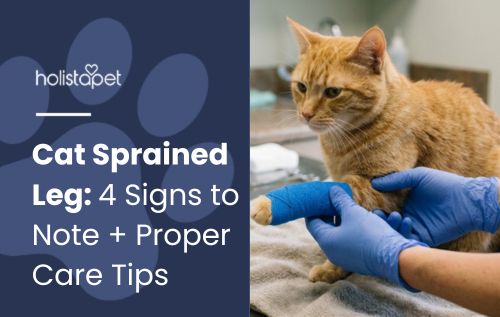
A cat sprained leg can cause sudden limping, difficulty walking, and pain after jumping or climbing, rough play, or landing wrong. For more cat care tips on keeping your feline healthy and comfortable, our care library covers a wide range of topics. Some cats still put weight on the injured leg, while others avoid the affected leg completely.
A quick check from a vet helps rule out broken bones, soft tissue injuries, and other injuries before the condition gets worse.
How Often Do Cats Get Sprained Legs?

Sprains are more common in cats than many pet owners realize. Their natural curiosity and agility often lead them to jump from high surfaces, chase moving objects, or make quick turns that can strain their limbs.
Outdoor cats face higher risk due to uneven terrain, falls, or physical confrontations. However, indoor cats can also experience injuries from jumping off furniture, slipping on smooth floors, or falling from cat trees.
Overweight cats may also experience added stress on their joints, increasing the likelihood of leg strain or injury.
How Do I Know If My Cat Has a Sprained Leg?
Cats with a sprained leg often show sudden changes in movement and behavior.
1. Limping or Favoring One Leg
Limping is usually one of the earliest signs of injury.
You may observe:
-
Uneven walking
-
Slower cat's movements
-
Trouble using stairs
-
Refusing to jump
-
Holding up the affected leg
2. Swelling and Sensitivity
Mild swelling or tenderness may appear around the injured area, including joints or soft tissue regions.
Possible signs include:
-
Warm sensitive areas
-
Puffy skin
-
Pain during touch
-
Pulling the leg away quickly
PetMD explains that soft tissue injuries often cause swelling and soreness without visible broken bones, which makes early observation important. The Cornell Feline Health Center also emphasizes early evaluation to prevent soft tissue injuries from progressing.
3. Reduced Activity
Cats in pain often stop normal routines. Some hide more often or avoid favorite sleeping spots that require climbing.
Other signs include:
-
Decreased appetite
-
Less interest in cat trees
-
Avoiding jumping or climbing
-
Staying away from other pets
4. Difficulty Bearing Weight
Some cats struggle to bear weight or stop putting weight on the injured leg completely. Severe cases may resemble a broken leg or other injuries involving bones and cruciate ligaments.
Take your cat to a vet immediately if these signs appear:
-
Difficulty walking
-
Dragging the leg
-
Open wound
-
Crying during movement
-
Sudden worsening condition
The American Veterinary Medical Association states that x-rays help vets reach an accurate diagnosis and rule out broken bones or other injuries.
How to Care for a Cat with a Sprained Leg?
Initial care focuses on limiting movement, reducing discomfort, and ensuring proper diagnosis. Early intervention helps prevent complications.
|
Care Step |
Main Purpose |
Helpful Tools |
Recovery Time |
Vet Needed? |
Key Risk |
|
Strict rest |
Prevents further injury |
Small quiet room, low surfaces |
Several weeks in severe cases |
Yes for ongoing limping |
More pressure on injured leg |
|
Ice packs |
Reduces swelling and pain |
Wrapped cold compress |
First 24 to 48 hours |
No unless symptoms worsen |
Skin irritation from direct contact |
|
Vet evaluation |
Provides accurate diagnosis |
Physical exam, x-rays |
Depends on injury severity |
Yes |
Missed broken bones or other injuries |
|
CBD support |
Encourages calm behavior during recovery |
Daily during rest period |
Ask a vet first |
Incorrect dosage |
|
|
Daily monitoring |
Tracks worsening condition |
Appetite and movement checks |
Ongoing |
Yes if new symptoms appear |
Delayed treatment |
|
Weight control |
Reduces stress on cats joints |
Portion control, healthy weight plan |
Long term |
Helpful for obese cats |
Slower healing |
|
Physical therapy |
Restores mobility and strength |
Stretching, laser therapy |
Weeks to months |
Yes |
Reinjury from overactivity |
|
Wound care |
Helps prevent infection |
Cleaning supplies, bandages |
Until puncture wound heals |
Yes for deep wounds |
Infection or swelling |
Restrict Movement Immediately

Limiting movement is essential for recovery. Cats may continue moving despite discomfort, which can worsen the injury.
Helpful steps include:
-
Keep the cat in a small quiet room
-
Block access to cat trees and stairs
-
Use low surfaces for resting
-
Place favorite blankets nearby
-
Separate energetic other pets
Veterinarians commonly recommend strict rest for several weeks in moderate and severe cases involving ligaments or the achilles tendon.
Check for Serious Injuries
Some symptoms point to a broken leg, puncture wound, or other injuries that need urgent care. A visible cause does not always reveal the full extent of the damage.
Take your cat to a vet immediately if these signs appear:
-
Open wound
-
Severe pain
-
Swollen back leg
-
Refusing to bear weight
-
Difficulty walking
-
Bleeding that does not stop
-
Sudden worsening condition
Use Cold Compresses Carefully
Ice packs help reduce swelling during the first 24 to 48 hours after the injury.
Safe first aid tips:
-
Wrap ice packs in a towel
-
Apply for 10 minutes at a time
-
Avoid direct skin contact
-
Stop if the cat shows discomfort
Cold therapy works best after landing wrong, rough play, or jumping or climbing accidents involving the cat's leg.
Avoid Human Medications
Never give human medications to cats, as they can be toxic even in small doses.
Avoid:
-
Ibuprofen
-
Acetaminophen
-
Aspirin without vet approval
Cornell Feline Health Center warns that cats process medications differently from humans, which makes self-treatment risky.
Support Recovery With Veterinary Guidance

Some cats may benefit from supportive care during recovery, especially those that are anxious during rest or activity restriction.
Veterinary-approved support options may include an ECS support oil for cats or calming supplements, depending on the cat's condition. Research from PubMed: Pharmacokinetics and Safety of CBD in Cats offers useful context on how cats metabolize these compounds.
Always consult a veterinarian before introducing any supplement or wellness product.
Watch Daily Changes Closely
Daily monitoring helps catch complications early. Some cats develop other signs after the first injury, especially if they continue putting weight on the affected leg.
Monitor for:
-
Decreased appetite
-
Swelling that spreads
-
Increased pain
-
Limping that worsens
-
New sensitive areas
-
Signs of infection concern near a puncture wound
A puncture wound heals differently from a sprain and may require antibiotics or wound care. For cats prone to stress during recovery, tryptophan for cats is one natural calming option worth exploring, and our does cbd oil need refrigeration guide helps with proper supplement storage during the healing period.
Follow Long-Term Recovery Care
Recovery time depends on severity. Mild sprains may improve within days, while more serious injuries may take weeks.
Recovery often includes:
-
Follow up x rays
-
Controlled movement
-
Weight management for obese cats
-
Maintaining a healthy weight
-
Gradual return to activity
Laser therapy may help reduce inflammation and promote healing in some cats recovering from muscle and ligament injuries.
When to Take Your Cat to the Vet
Take your cat to the vet immediately if the injured leg shows severe swelling, bleeding, deformity, or complete refusal to bear weight. A broken leg, severe sprain, or other injuries can look similar during the early stages.
Schedule a vet visit if cat limping lasts longer than 24 to 48 hours or gets worse over time.
Urgent warning signs include:
-
Open wound
-
Difficulty walking
-
Severe pain
-
Swollen back leg
-
Dragging the affected leg
-
Decreased appetite
-
Signs of infection near a puncture wound
Why Leg Injuries Should Not Be Ignored
Leg injuries can quickly affect a cat's mobility, comfort, and overall health. A cat sprained leg may seem minor at first, but ongoing pain, swelling, or difficulty walking can point to serious soft tissue injuries or broken bones.
Early care, strict rest, and a proper diagnosis from a vet help prevent further injury and support safer recovery.
Frequently Asked Questions
Can a cat sprained leg heal on its own?
Yes, a mild injury may heal with strict rest and limited activity. Cats with severe pain, swelling, or trouble to bear weight still need a vet to rule out broken bones and other injuries.
How long does a sprained leg take to heal in cats?
Most mild sprains improve within one to two weeks. Severe cases involving soft tissue damage or cruciate ligaments may require several weeks of recovery.
Can overgrown nails cause leg problems in cats?
Yes, overgrown nails and an ingrown claw can change the way a cat walks and place stress on the cat's joints. Some cats develop pain or limping from uneven pressure on the leg.
Should a cat with a sprain stay in a crate?
Yes, temporary confinement helps reduce cat movements and lowers the risk of further injury. A small quiet space with food, water, and favorite blankets usually works well.
Can hot surfaces injure a cat's leg?
Yes, hot gravel and other hot surface areas can burn paw pads and cause limping. Some cats avoid putting weight on the affected leg after walking on overheated ground.
Do indoor cats get leg injuries less often?
Yes, indoor cats usually face fewer dangers than outdoor cats. Falls from furniture, slippery floors, and rough play still cause leg injuries inside the home.
Is laser therapy safe for cats with leg injuries?
Yes, many vets use laser therapy to reduce inflammation and promote healing in soft tissue injuries. Treatment plans depend on the pet's condition and injury severity.








Leave a comment
All comments are moderated before being published.
This site is protected by hCaptcha and the hCaptcha Privacy Policy and Terms of Service apply.