


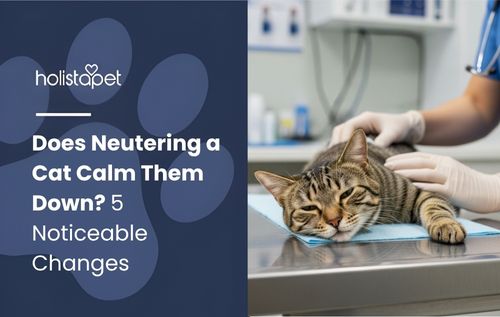
Cats can act loud, restless, or aggressive, which pushes many owners to look for a solution. Neutering often reduces these behaviors by lowering hormone driven urges. Many cats become calmer, easier to manage, and less reactive after the procedure.
Does Neutering a Cat Calm Them Down?

Yes, neutering usually calms a cat. It reduces testosterone, which directly lowers behaviors like aggression, roaming, and urine spraying.
According to the AVMA, neutered male cats show a measurable drop in hormone-driven behaviors including aggression, roaming, and urine spraying — resulting in a more settled temperament.
How Will My Cat Act After Neutering?
Most cats act calmer and more stable after neutering due to lower hormone levels.
1. Reduced Aggression
Many cats show fewer aggressive reactions.
-
Less fighting with other animals
-
Fewer sudden attacks or bites
- Easier handling
The American Veterinary Medical Association explains that reduced testosterone lowers aggression in male cats.
Testosterone drives territorial fighting and reactive biting. Once that hormonal pressure drops, most cats become easier to handle and less reactive to other animals. For a broader look at how fear and anxiety contribute to feline aggression, the VCA: Fears and Phobias in Cats resource offers a helpful clinical overview for cat owners.
2. Less Roaming
The drive to wander decreases.
-
Stays closer to home
-
Less attempt to escape
- More interest in routine
For additional context on how behavioral patterns develop in cats, Cornell: Feline Behavior Problems provides expert-backed guidance from one of the leading veterinary institutions.
3. Decrease in Spraying
Marking behavior often improves.
-
Less urine spraying
-
Reduced territorial behavior
- Cleaner environment
Research from the ASPCA shows that neutering reduces or stops urine spraying in about 85% of male cats, making it one of the most reliable behavioral outcomes of the procedure."
4. Lower Restlessness
Activity levels become more controlled.
-
Fewer hyperactive bursts
-
More predictable behavior
- Increased calm periods
5. More Affectionate Behavior
Some cats become more social.
-
Seeks attention more often
-
Enjoys interaction
- Shows relaxed body language
Results vary, but most cats show noticeable behavioral improvements.
How Can I Help My Cat Recover from Neutering?
Support recovery by keeping your cat calm, limiting movement, and following proper care steps to prevent complications. During recovery, some cats may also experience mild sensitivities. Our guide on what to give felines for allergies explains additional ways to support your cat's overall comfort.
|
Care Area |
What to Do |
Why It Matters |
Timeline |
Extra Tip |
|
Activity Control |
Limit running and jumping |
Prevents incision reopening |
7 to 10 days |
Use a small room or crate if needed |
|
Incision Monitoring |
Check for redness, swelling, discharge |
Detects infection early |
Daily for 10 days |
Take a photo daily to track changes |
|
Pain Management |
Give prescribed meds on schedule |
Reduces discomfort and stress |
First few days |
Never use human medication |
|
Calm Support |
Use CBD support if needed |
Helps regulate stress via ECS |
As needed |
Start with a low dose and observe |
|
Feeding |
Offer small, easy meals |
Prevents nausea and supports healing |
First 24 to 48 hours |
Warm food slightly to boost appetite |
|
Hydration |
Ensure clean, fresh water access |
Prevents dehydration |
Ongoing |
Add wet food for extra moisture |
|
Licking Prevention |
Use e collar or recovery suit |
Protects incision from damage |
Until healed |
Check fit to avoid discomfort |
|
Litter Box Use |
Keep box clean and accessible |
Prevents contamination of incision |
Daily |
Use dust free litter if possible |
|
Behavior Monitoring |
Watch for lethargy or unusual reactions |
Signals possible complications |
First week |
Track behavior changes briefly |
|
Vet Follow Up |
Attend scheduled check if advised |
Confirms proper healing |
As scheduled |
Prepare notes on recovery progress |
Keep Activity Low
Rest helps the incision heal properly.
-
Limit jumping and running
-
Keep your cat in a quiet space
- Separate from other pets if needed
The American College of Veterinary Surgeons states that restricted activity reduces the risk of swelling and incision issues.
Monitor the Incision Site
Check daily to catch early signs of problems.
-
Look for redness or swelling
-
Watch for discharge or odor
- Prevent licking or biting
Use an e collar if your cat tries to disturb the area.
Manage Pain and Comfort
Cats may feel mild discomfort after surgery.
-
Follow prescribed pain medication
-
Provide a soft resting area
- Keep food and water nearby
Support Calm Behavior with CBD
CBD can help promote relaxation during recovery. CBD cat snacks offer a convenient way to support relaxation while rewarding calm behavior during recovery. Pet owners who prefer liquid supplements can also use daily oil drops for cats, which provide flexible serving sizes and can be mixed into food or administered directly. For cats that remain restless during recovery, our guide on melatonin for cats discusses another commonly used calming option and when it may be appropriate to speak with your veterinarian.
-
Interacts with the endocannabinoid system which helps regulate mood and stress
-
May reduce anxiety and discomfort
A study published in Frontiers in Veterinary Science found that cannabinoids can support pain management and stress response in animals. HolistaPet offers natural CBD oil for cats and other pet wellness products that may help support calm behavior during recovery without causing sedation.

Maintain Proper Feeding and Hydration
Appetite may drop at first but should return.
-
Offer small portions of food
-
Ensure constant access to water
- Monitor eating habits
Watch for Warning Signs
Contact a vet if recovery does not progress well.
-
Lack of appetite beyond 24 hours
-
Excessive swelling or bleeding
- Lethargy or unusual behavior
What are the Other Benefits of Neutering for Cats?
Neutering offers several health and lifestyle benefits beyond behavior changes, helping cats live safer and longer lives.
-
Reduced Risk of Testicular Cancer: Eliminates the chance of developing this condition entirely.
-
Lower Risk of Prostate Issues: Decreases the likelihood of enlargement and related complications.
-
Longer Lifespan: Neutered cats tend to live longer due to fewer health and environmental risks.
-
Lower Risk of Injuries: Less exposure to fights and accidents outdoors.
-
Reduced Spread of Diseases: Limits transmission of infections like FIV from fighting.
-
Helps Control Overpopulation: Prevents unwanted litters and reduces strain on shelters.
- Less Stress from Mating Urges: Removes constant hormonal drive that can affect well being.
When Do I Take My Cat to the Vet for Neutering?
Most cats should get neutered at 4 to 6 months of age. This timing helps prevent hormone driven behaviors before they begin.
The American Veterinary Medical Association states that cats can safely undergo neutering as early as 8 weeks old if they meet proper weight and health standards.
-
Ideal Age Range: 4 to 6 months old.
-
Early Neutering Option: 8 to 12 weeks old if healthy and at least 2 pounds.
- Before Sexual Maturity: Around 5 to 6 months to prevent behavioral and health issues.
Some cases require adjusted timing.
-
Adopted Cats: Often neutered at 8 to 12 weeks before adoption.
-
Health Conditions: Your vet may delay surgery until your cat reaches a stable condition.
- Older Cats: Vets can neuter older cats at 1 year or beyond, and those cats still gain meaningful health and behavioral benefits.
Always consult a veterinarian to confirm the right timing based on your cat’s age, weight, and overall health.
Cats Need Neutering More Than You Think
Neutering helps create a calmer, healthier, and more manageable cat by reducing hormone driven behaviors and lowering health risks. With proper timing and aftercare, most cats recover well and show lasting improvements in daily life.
Continue exploring our cat care education library for more expert advice on feline health, behavior, and wellness.
Frequently Asked Questions
Does neutering affect a cat’s weight?
Yes. Most male cats may gain weight after a male cat neutered procedure because testosterone levels decrease. Cat owners should adjust food portions and encourage play to keep their kitty active and healthy.
Will neutering change my cat’s personality?
No. Neutering your cat does not change core personality traits. It mainly reduces sexual behavior and certain behavioral issues linked to intact male cats and other males.
How long does it take for behavior changes to show?
Some behavioral changes appear within days, while others take several weeks as hormone levels decline. A male cat's behavior change often becomes more noticeable after recovery from the surgical procedure.
Is neutering safe for indoor cats?
Yes. Indoor male cats and female cats both benefit from this routine procedure. It can lower the risk of certain cancers and reduce unwanted cat urine marking around the home and kitty litter area.
Can neutering prevent all unwanted behaviors?
No. Some habits may continue after surgery, especially in free roaming cats or an outdoor cat with established patterns. Training and consistency still help manage behavioral issues.
Will my cat need special care long term after neutering?
No. Long term care usually involves regular checkups, a balanced diet, and exercise to support the cat's ability to stay healthy. Pet parents should also monitor the surgery site during recovery and keep the kitten or adult cat in a quiet room for several days.







Leave a comment
All comments are moderated before being published.
This site is protected by hCaptcha and the hCaptcha Privacy Policy and Terms of Service apply.