

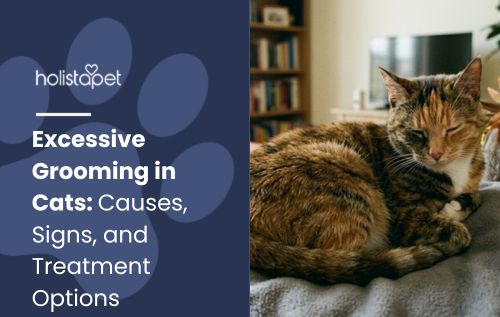
Excessive grooming in cats, also known as overgrooming, is a behavior that can indicate stress, skin irritation, or underlying health conditions. While grooming is a normal feline habit, it becomes a concern when it leads to hair loss, bald patches, or skin damage. In some cases, premium cbd oil for cats is used as part of a natural wellness approach to help support relaxation and overall balance, alongside proper veterinary care and attention to the root cause.
Early identification of the cause is important to protect your cat's skin health and overall well-being, find more expert cat care advice on recognizing and addressing common feline health concerns.
What is Overgrooming in Cats?
Overgrooming occurs when a cat grooms itself more frequently or intensely than normal, often to the point of causing physical damage.
This behavior may result in:
-
Hair loss or thinning fur
-
Bald patches
-
Skin redness or irritation
-
Sores from excessive licking
Overgrooming can be triggered by medical, environmental, or behavioral factors, the VCA: Grooming in Cats resource provides a helpful overview of what normal feline grooming looks like versus when it becomes a concern.
What are the Signs of Excessive Grooming in Cats?
 Excessive grooming in cats often causes visible changes to the skin and fur. Cats may groom excessively due to stress, skin problems, or underlying medical conditions.
Common signs include:
-
Bald patches or bald spots
-
Excessive licking in one area
-
Hair loss or fur loss
-
Skin irritation or skin sores
-
Loose hairs around the home
-
Constant grooming beyond normal grooming habits
For a closer look at localized grooming behavior, read our guide on cat licking paws to understand when paw-focused grooming signals a deeper issue.
Why Do Cats Overgroom?
 Cats overgroom because stress, allergies, parasites, pain, and other underlying medical conditions can disrupt normal grooming behavior.
A study published in the Journal of the American Veterinary Medical Association by Stephen E. Waisglass and colleagues found that most cats diagnosed with psychogenic alopecia actually had medical causes behind the excessive grooming.
-
Skin allergies: Environmental allergens and food sensitivities may trigger excessive licking and skin irritation.
-
Skin mites and infections: Parasites, fungal issues, and skin infections often cause intense itching.
-
Cat's stress: Changes like a new baby, other pets, or a disrupted cat's environment can raise stress levels.
-
Pain or discomfort: Arthritis, bladder pain, or other underlying medical problems may lead cats to groom excessively in one area, our why is my cat coughing guide is another example of how internal discomfort can surface as unusual repetitive behavior in cats,
-
Behavioral overgrooming: Some indoor cat breeds groom for stress relief and develop compulsive grooming habits.
-
Hormonal imbalance: Certain medical conditions can affect the skin and fur, leading to hair loss and bald patches.
Related Post: How Do Indoor Cats Get Fleas? Hidden Sources You Might Miss
How Do I Stop My Cat’s Excessive Grooming?
Excessive grooming in cats usually stops once the underlying cause is addressed. Stress management, medical treatment, and changes to the cat's environment often help cats feel safe and reduce over-grooming.
|
Problem |
Possible Cause |
Common Signs |
Helpful Treatment |
|
Excessive licking |
Cat's stress |
Over-grooming and bald spots |
Environmental enrichment |
|
Hair loss |
Skin problems |
Fur loss and skin sores |
Vet evaluation |
|
Grooming behavior changes |
Underlying medical cause |
Excessively grooming one area |
Medical treatment |
|
Psychogenic alopecia |
Behavioral overgrooming |
Thin cat's fur on lower belly |
Stress management |
|
Skin irritation |
Environmental allergens |
Redness and scratching |
Allergy support and skin care |
When to Visit a Veterinarian
A veterinary consultation is recommended if your cat shows:
-
Bald patches or sudden hair loss
-
Skin sores, bleeding, or scabs
-
Grooming that continues for several days or worsens
-
Changes in appetite or behavior
-
Repeated licking of one specific area
A veterinarian may perform tests such as skin examination, allergy evaluation, or laboratory diagnostics to identify the underlying cause, the Cornell Feline Health Center offers trusted veterinary resources for cat owners navigating complex feline health conditions.
Reduce Stress Inside the Home
Behavioral overgrooming often develops from cat stress and sudden changes in routine. Many cats react strongly to a new baby, loud spaces, or conflicts with other pets.
-
Add environmental enrichment with toys and climbing spaces
-
Create quiet areas where the cat can relax
-
Keep feeding and day grooming routines consistent
-
Increase mental stimulation for an indoor cat
Supportive Care Options
In some cases, supportive calming strategies may be used alongside veterinary treatment and environmental changes.
These may include veterinarian-recommended calming aids or supplements that help support relaxation and emotional balance. Some pet owners consider options such as calming pheromone products or supplements, including a feline oil supplement, grain-free CBD cat treats, or the broader cat CBD tincture collection where legally permitted and approved by a veterinarian.
These approaches may help:
-
Support a calmer emotional state
-
Encourage more stable behavior patterns
-
Complement environmental enrichment strategies
Any supplement should only be introduced after consulting a veterinarian to ensure it is appropriate for your cat’s condition.
Frequently Asked Questions
Can seasonal shedding look like excessive grooming?
Yes, seasonal shedding can leave more loose hairs around the home, but normal shedding does not usually create bald patches or skin sores. Excessive grooming often targets the same spots repeatedly and causes visible fur damage.
Can boredom cause cats to groom excessively?
Yes, many cats overgroom when they lack mental stimulation or environmental enrichment. Indoor cats without enough playtime or activity may use grooming for stress relief.
Do certain cat breeds groom more than others?
Yes, some breeds naturally spend more time grooming because of their coat type or personality. Long-haired cats usually need more time grooming to manage their fur and body temperature.
Can diet affect a cat's grooming behavior?
Yes, poor nutrition can affect the skin and cat's fur quality. Some cats also react to food ingredients that trigger skin irritation and excessive licking.
Is overgrooming in cats always caused by stress?
No, medical reasons often trigger overgrooming in cats. Allergies, pain, parasites, and other underlying medical problems commonly cause excessive cat grooming before behavioral issues develop.






Leave a comment
All comments are moderated before being published.
This site is protected by hCaptcha and the hCaptcha Privacy Policy and Terms of Service apply.