


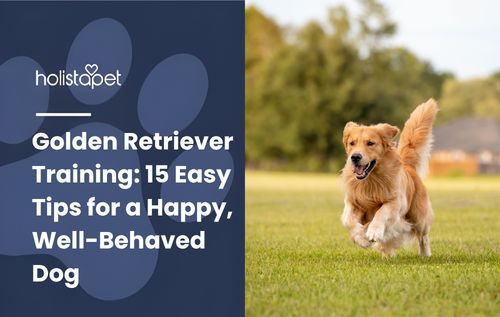
Golden Retriever training doesn't have to be difficult. These lovable dogs are incredibly smart, eager to please, and quick learners—but without proper guidance, they can become overly excited, jump on guests, pull on the leash, or develop unwanted habits. The good news? With the right training methods, patience, and consistency, you can raise a polite, confident companion that everyone loves. Keep reading to discover the best golden retriever training tips that are easy to follow, beginner-friendly, and proven to work.
Why Readers Will Love This
✔ Easy training tips anyone can follow
✔ Perfect for Golden Retriever puppies and adults
✔ Uses positive reinforcement methods
✔ Helps prevent common behavior problems
✔ Strengthens the bond between you and your dog
✔ Budget-friendly—no expensive equipment required
✔ Great for first-time dog owners
Materials You'll Need
You don't need fancy equipment to start golden retriever training successfully.
- Soft training treats
- Treat pouch
- Clicker (optional)
- 4–6 foot leash
- Comfortable collar or harness
- Favorite toys
- Water bowl
- Quiet training area
- Patience and consistency
Step-by-Step Golden Retriever Training Guide
1. Start Training Early
Golden Retriever puppies learn incredibly fast between 8 and 16 weeks of age. This is the perfect time to introduce basic commands and routines.
Focus on:
- Name recognition
- Potty training
- Sit
- Come
- Gentle handling
Even five-minute sessions can make a huge difference.
2. Always Use Positive Reinforcement
Golden Retrievers thrive on praise.
Reward your dog every time they make the right choice.
Rewards include:
- Small treats
- Happy voice
- Belly rubs
- Favorite toy
- Playtime
Avoid yelling or punishment, as it can confuse sensitive dogs.
3. Keep Training Sessions Short
Dogs learn best in short bursts.
Aim for:
- 5–10 minutes
- 2–4 sessions each day
Stopping before your dog loses interest keeps training fun.
4. Teach Basic Commands First
Before teaching tricks, master the essentials.
Start with:
- Sit
- Stay
- Down
- Come
- Leave It
- Drop It
- Heel
These commands make everyday life much easier.
5. Socialize Your Golden Retriever
One of the best golden retriever training habits is exposing your puppy to new experiences.
Introduce them to:
- Different people
- Friendly dogs
- Children
- Car rides
- Parks
- Different sounds
- Various surfaces
Early socialization builds confidence.
6. Practice Leash Training Daily
Golden Retrievers love exploring.
Without training, they often pull on walks.
Whenever your dog pulls:
- Stop walking.
- Wait for a loose leash.
- Reward when they return to your side.
- Continue walking.
Consistency is key.
7. Prevent Jumping on Guests
Golden Retrievers often greet people with excitement.
Instead of allowing jumping:
- Ask for a "Sit."
- Reward calm behavior.
- Ignore jumping.
- Have visitors reward sitting.
Soon your dog learns that sitting earns attention.
8. Teach Reliable Recall
Coming when called is one of the most important life-saving commands.
Practice using:
- High-value treats
- Happy voice
- Safe fenced areas
- Games like "Come and Chase"
Never punish your dog after they come to you.
9. Make Potty Training Predictable
Take your puppy outside:
- After waking up
- After meals
- Before bedtime
- After playtime
Praise immediately after they potty outdoors.
Routine builds success.
10. Use Food Puzzles for Mental Exercise
Golden Retrievers are intelligent.
Mental stimulation helps reduce:
- Barking
- Digging
- Chewing
- Boredom
Try:
- Snuffle mats
- Puzzle feeders
- Frozen stuffed toys
11. Stop Chewing Before It Starts
Puppies naturally chew while teething.
Provide:
- Durable chew toys
- Frozen carrots (under supervision)
- Rubber toys
- Puppy-safe bones
Redirect unwanted chewing immediately.
12. Stay Consistent
Everyone in the family should use the same commands.
For example:
Instead of saying:
- Sit Down
- Take a Seat
- Sit Here
Choose just one:
Sit
Consistency speeds learning.
13. Reward Calm Behavior
Many owners accidentally reward excitement.
Instead, praise your Golden Retriever when they are:
- Relaxing quietly
- Waiting patiently
- Lying on their bed
- Walking calmly
Calm dogs become calm adults.
14. Practice Every Day
Training isn't just for puppies.
Spend a few minutes daily reviewing commands.
Daily practice keeps skills sharp.
15. End Every Session Positively
Always finish with something your dog knows well.
This builds confidence and keeps them excited for the next session.
Helpful Tips
- Train before meals when treats are more motivating.
- Use tiny treats to avoid overfeeding.
- Celebrate small improvements.
- Practice commands in different locations.
- Stay patient during setbacks.
- Keep your voice cheerful.
- Exercise your Golden Retriever before longer training sessions.
- Repeat commands only once whenever possible.
- Turn training into a fun game.
- Remember that consistency beats perfection.
Variations or Alternatives
Puppy Training Focus
Spend extra time on:
- House training
- Crate training
- Socialization
- Gentle bite inhibition
Adult Golden Retriever Training
Older dogs can absolutely learn new behaviors.
Focus on:
- Loose leash walking
- Recall
- Impulse control
- Reducing bad habits
Indoor Training Ideas
Rainy day?
Practice:
- Sit
- Stay
- Spin
- Touch
- Place
- Hide-and-seek
Indoor sessions keep your dog mentally engaged.
Cheap DIY Training Rewards
You don't need expensive treats.
Try:
- Small chicken pieces
- Carrots
- Apples (without seeds)
- Green beans
- Homemade dog treats
Frequently Asked Questions
How long does it take to train a Golden Retriever?
Most Golden Retrievers learn basic commands within a few weeks with consistent daily practice. Advanced obedience usually develops over several months.
Are Golden Retrievers easy to train?
Yes. Golden Retrievers are considered one of the easiest dog breeds to train because they are intelligent, eager to please, and highly food-motivated.
What age should Golden Retriever training begin?
Training can begin as early as 8 weeks old with simple commands, socialization, and potty training.
How often should I train my Golden Retriever?
Aim for two to four short sessions every day, each lasting around 5–10 minutes.
Should I use punishment during training?
No. Positive reinforcement is the most effective and humane method for Golden Retrievers. Rewarding good behavior builds trust and encourages faster learning.
What treats work best for training?
Choose small, soft, high-value treats that your dog can eat quickly without interrupting the training session.
Conclusion + Call to Action
Successful golden retriever training is all about patience, consistency, and making learning enjoyable. By practicing these easy techniques every day, you'll help your Golden Retriever become a well-mannered, confident companion while creating a lifelong bond built on trust.
Which training tip has worked best for your Golden Retriever? Share your experience in the comments, and don't forget to save this guide for future training sessions or share it with fellow dog lovers!








Leave a comment
All comments are moderated before being published.
This site is protected by hCaptcha and the hCaptcha Privacy Policy and Terms of Service apply.