


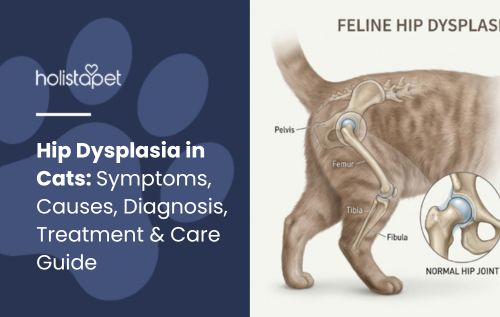
Hip dysplasia in cats is a developmental orthopedic condition where the hip joint does not form properly, leading to joint instability, pain, stiffness, and reduced mobility, often contributing to cbd oil for cats joint pain concerns. It may be influenced by genetics, rapid growth, excess weight, or joint laxity. While it cannot always be prevented, early detection, weight management, joint support, and veterinary care may help improve comfort and mobility. Visit our cat health guides for a broader range of feline wellness resources.
What Is Hip Dysplasia in Cats?

Hip dysplasia in cats is a condition in which the hip jointformed by the femoral head and the hip socket develops abnormally. Instead of fitting smoothly, the joint becomes loose or unstable, leading to abnormal movement and gradual wear over time.
This condition can affect cats of different ages, although symptoms may become more noticeable as they grow older or if joint degeneration progresses. In some cases, certain breeds may have a higher predisposition due to genetic factors.
Over time, hip dysplasia may contribute to discomfort, reduced mobility, and degenerative joint disease if not properly managed.
Symptoms of Hip Dysplasia in Cats

Symptoms may develop gradually and can vary depending on severity.
Common signs include:
-
Limping or favoring one leg
-
Difficulty jumping, climbing, or using stairs
-
Stiff or abnormal gait
-
Reduced activity or reluctance to play
-
Sensitivity or discomfort when the hip area is touched
-
Changes in posture, such as a hunched stance
-
Decreased grooming, especially around the hind legs
-
Excessive licking or biting at the hip region
-
Reduced mobility or slower movement
Early signs may be subtle, so monitoring changes in movement and behavior is important understanding cat tail language can also help you recognize subtle shifts in your cat's comfort and mood.
Related Post: Cat Back Legs Weak: Causes, Care, and Remedies
Causes of Hip Dysplasia in Cats
 Several factors may contribute to the development of hip dysplasia in cats:
1. Genetics
Some cats may inherit a predisposition to abnormal hip joint development, making them more susceptible to hip dysplasia.
2. Rapid Growth or Developmental Stress
Fast growth during kittenhood may place additional stress on developing joints.
3. Excess Weight
Overweight cats may place increased pressure on the hip joints, which can contribute to joint strain and worsening symptoms supplementing with hemp-derived drops for cats may help support comfort during weight management.
4. Joint Laxity
Loose or poorly formed ligaments may cause instability in the hip joint, leading to long-term wear.
Diagnosing Hip Dysplasia in Cats: What To Expect at the Vet
When you take your cat to the vet for suspected hip dysplasia, they'll start with a detailed physical examination. The diagnostic process includes the following steps:
The Diagnostic Process for Hip Dysplasia in Cats
Your veterinarian will assess clinical signs and perform a physical examination to evaluate the hip joint's range of motion and overall function. This helps determine if hip dysplasia is a possibility.
Common Tests and Imaging Used for Diagnosis
Your vet will likely recommend X-rays or other imaging techniques to confirm the condition the VCA: Hip Dysplasia in Dogs resource also provides helpful context on how this condition is evaluated across species. These help visualize the hip joint, identify any abnormal development, and check for signs of degeneration or joint instability.
How to Comfort a Cat With Hip Dysplasia

Supportive home care may help improve comfort and reduce strain on affected joints.
Helpful care strategies include:
-
Providing a soft, supportive bed to reduce joint pressure, and pairing this with CBD-infused cat treats may help promote relaxation and ease discomfort during rest.
-
Using ramps or steps to reduce jumping stress
-
Encouraging gentle, controlled activity
-
Maintaining a warm, comfortable environment
-
Using cold compresses may help reduce mild swelling or discomfort (if recommended by a veterinarian)
Avoid encouraging high-impact jumping or strenuous activity.
Preventing Hip Dysplasia in Cats
While not all cases can be prevented, certain practices may help reduce risk or slow progression:
-
Maintaining a healthy body weight daily use of a THC-free oil for cats may complement weight and joint management as part of a preventive wellness routine.
-
Providing balanced, nutrient-rich nutrition
-
Encouraging regular, moderate exercise
-
Supporting joint health during growth stages
-
Scheduling routine veterinary checkups
Early lifestyle management may support long-term joint health.
When to See a Veterinarian Immediately
Seek veterinary attention if you notice:
-
Severe or worsening limping
-
Inability to jump or walk normally
-
Signs of significant pain or vocalization
-
Sudden loss of mobility
-
Reduced appetite combined with movement issues
Prompt evaluation may help prevent further joint deterioration and improve comfort the AKC: Hip Dysplasia in Dogs article offers additional context on how joint conditions progress and why early intervention matters.
Learn additional cat care resources and wellness guides for more feline health information.
Final Thoughts
With early diagnosis and appropriate management, many cats with hip dysplasia can maintain a good quality of life. Veterinary care, weight management, joint-supportive strategies, and environmental modifications may help improve comfort, mobility, and overall well-being.
Examine our additional cat health and wellness resources including guidance on why sneezing and other common feline concerns to learn more about mobility support, joint care, healthy weight management, and preventive veterinary care for cats.
FAQs
What is hip dysplasia in cats?
Hip dysplasia is a developmental condition where the hip joint does not form properly, leading to instability, pain, and reduced mobility over time.
What causes hip dysplasia in cats?
It may be caused by genetics, rapid growth, excess weight, or joint laxity that affects proper hip joint formation.
What are the early signs of hip dysplasia?
Early signs may include stiffness, reduced jumping ability, limping, and decreased activity levels.
Can hip dysplasia lead to arthritis?
Yes. Hip dysplasia may contribute to degenerative joint disease and osteoarthritis due to long-term joint wear.
How is hip dysplasia treated?
Treatment may include weight management, medication, supplements, physical therapy, and in severe cases, surgery.
Can overweight cats have worse symptoms?
Yes. Excess weight may place additional stress on joints, potentially worsening discomfort and mobility issues.






Leave a comment
All comments are moderated before being published.
This site is protected by hCaptcha and the hCaptcha Privacy Policy and Terms of Service apply.