

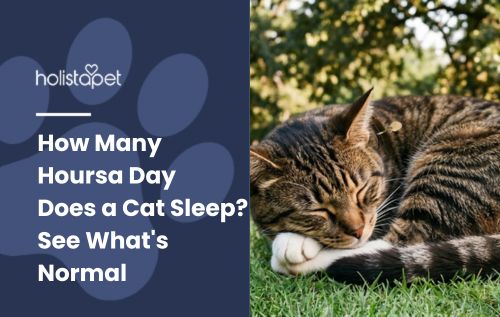
Sometimes, new cat owners worry when their feline friends spend so much time asleep. But how many hours a day does a cat sleep exactly?
It might surprise you to know that most cats spend anywhere from 12 to 16 hours a day snoozing. This amount may seem like a lot, but it's completely normal since cats are natural-born nappers. Whether they're young kitties or senior cats, their sleeping habits greatly affect their health and well-being. For more cat care information, our guides cover everything from nutrition to behavior.
In this article, we'll help you understand how much shut-eye your furry friend needs. Then, we'll give you tips to help them get all the rest they need for all their fun adventures.
Understanding a Cat's Sleep Patterns
 Felines have unique sleeping patterns that differ greatly from those of humans. Cats experience two main types of sleep, non-rapid eye movement (NREM sleep) and rapid eye movement (REM sleep).
During NREM sleep, cats rest lightly and remain alert to their surroundings. During REM sleep, cats enter a deep sleep state, often twitching or dreaming due to increased brain activity. These sleep cycles allow felines to recharge their energy for their instincts, like hunting and playing.
Average Sleep Duration for Cats
Adult cats need about 12 to 16 hours of sleep each day, though some may sleep more. This duration is normal and helps them conserve energy for hunting, playing, and learning. For comparison, the VCA: Sleeping Requirements in Dogs and AKC: How Much Do Dogs Sleep? offer useful context on how sleep needs differ across species.
Kittens and older or senior cats might sleep even longer. They can sometimes snooze for up to 20 hours per day. Factors like age, activity level, and overall health come into play here.
Why Do Cats Sleep So Much?
Is your cat sleeping a lot? As mentioned, it's totally normal behavior. Cats sleep so much because their bodies need to conserve energy.
In the wild, cats are natural hunters. Sleeping helps them store the energy they need for stalking, chasing, and capturing prey. Even though domestic cats no longer need to hunt for survival, this instinct remains.
Factors That Affect a Cat's Sleep
Several factors affect cats' sleeping habits, including age, activity level, environment, and health conditions. Each element can determine how much and how well your cat sleeps. Let's look at each one of them in more detail.
Age and Activity Level
Younger cats tend to sleep more because their bodies are still growing. They could use the extra rest to support their development. Kittens can snooze up to 20 hours a day, with their sleep split between short, frequent naps.
Adult cats may sleep between 12 and 16 hours daily, depending on their activity level. Highly active kitties might take shorter naps but still get a lot of rest throughout the day.
Environment and Comfort
 Cats prefer quiet, comfortable spaces where they can feel safe and undisturbed. You can get your cat a cozy bed with soft bedding and place it away from the house's hustle and bustle. This can help your kitty get a good night's sleep.
Temperature matters, too. Our cat friends like to seek out warm places to curl up, which helps them regulate their body temperature. Please make sure your cat's sleeping area is warm but not too hot.
Health Conditions
Cats suffering from sleep disorders or health issues like kidney disease and arthritis don't get to sleep well. These conditions cause discomfort, leading to many restless nights. Also, if your cat is dealing with stressors, they might sleep more or less than usual. Unexplained restlessness may also be linked to cat pacing, which is worth reading about if you notice your cat unable to settle.
Keep an eye on your cat's health and behavior, and note any significant changes. Report them to your vet so your cat can get the care they need.
Related Post: Signs of Stress in Cats + Suggested Solutions
How To Help Your Cat Sleep
Could you tell me if you are concerned about your cat's sleeping habits? By putting together the right environment and a stable routine, you can help them get their best sleep yet. We'll study specific ways to achieve this in the following sections, so keep reading for more helpful insights.
Creating a Comfortable Sleep Environment
To help your cat sleep better, create a comfortable and secure sleep environment. Here are some tips to do that:
-
Provide a Cozy Bed. Place a soft bed or blanket in a quiet, secluded area of your home. This can help your cat feel safe and relaxed.
-
Mind the Temperature. Cats enjoy warm spots, so place their bed in a sunny area or near a gentle heat source. The warmth will help them settle into a deep sleep.
-
Maintain Cleanliness. Keep their sleeping area spotless and free of strong odors. A fresh, clean environment can bring them more peaceful and uninterrupted rest.
Establishing a Routine
A consistent daily routine can help improve your kitty's sleep quality. Here's how you can create a good schedule for your cat:
-
Set Regular Meal Times. Feed your cat at the same time each day. A predictable schedule can help regulate their sleep-wake cycles.
-
Incorporate Daily Playtime. Schedule active play sessions during the day. This can tire your pet out and make them sleep soundly through the night.
-
Stay Consistent. Stick to these routines consistently. Over time, this will encourage healthier bedtime habits and support your cat's overall well-being.
What To Do with a Cat That Struggles To Sleep
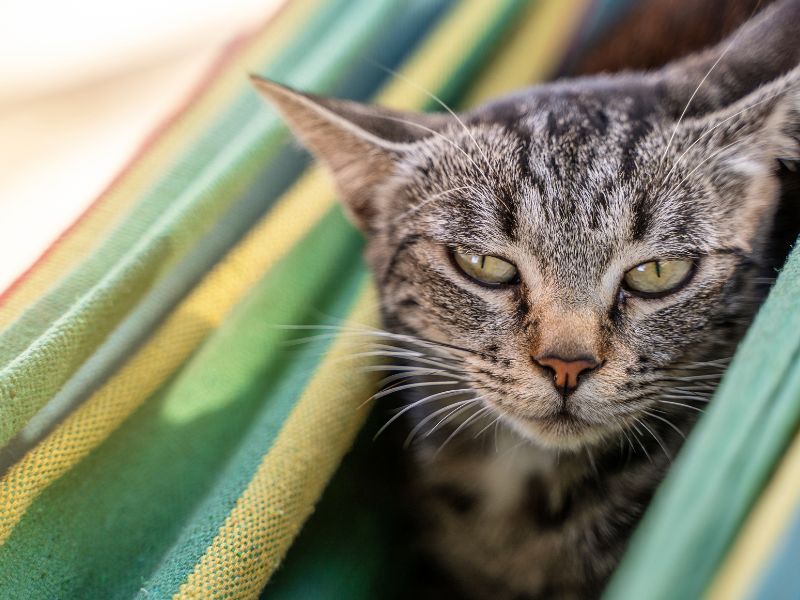 If your furry friend struggles to sleep, the first step is to identify the root cause. It might be environmental or health-related. Once you understand what's going on, you can take the right steps to address the problem. In the following sections, we'll discuss specific strategies you can try to help your kitty sleep better.
Identifying the Causes of Sleep Issues
To help your cat overcome sleep issues, first identify what might be causing the problem. Here are a few possible reasons:
-
Changes in Environment. Has there been a recent change in your home? Maybe a new pet, more noise, or schedule changes? These can make your kitty feel uneasy and unable to relax.
-
Health Concerns. Health problems like kidney disease, arthritis, or restlessness can lead to uncomfortable nights. Digestive discomfort may also disturb sleep learn more about why is my cat throwing up and how it may affect their rest. Watch your cat for signs of discomfort or unusual behavior.
-
Routine Changes. Cats thrive on stability. Any disruptions in their daily routine can affect their sleep.
Behavioral Adjustments To Improve Sleep
Making small behavioral adjustments can help improve your cat's sleep quality. Try the following strategies:
More Exercise. Make sure your pet gets plenty of physical and mental stimulation throughout the day. Regular playtime can help tire them out, making it easier for them to settle down at night.
-
Calming Bedtime Routine. Create a nightly routine that can tell your cat it's time to sleep. Try gentle petting or offering a treat to help your cat wind down.
-
Consistent Schedule. Stick to a reliable daily routine. Consistency can give your cat a sense of security, helping them sleep better without worry.
Can CBD Help Cats Sleep?
 CBD, or cannabidiol, is a naturally occurring compound found in the cannabis plant that is being studied for its potential calming effects. In pets, it is sometimes discussed as a possible option for supporting relaxation and general comfort.
CBD interacts with the endocannabinoid system (ECS), which plays a role in maintaining balance in the body, including mood, stress response, and comfort. Because of this interaction, some early research and anecdotal reports suggest that CBD may help support relaxation in certain animals, which could indirectly contribute to better rest.
Some pet owners consider CBD as part of a broader approach to managing occasional stress or restlessness in cats. However, scientific research on its effectiveness in felines is still limited, and responses may vary depending on the individual animal.
Important Considerations for Cats
When thinking about CBD for cats, it is important to keep the following in mind:
-
May support relaxation: organic CBD oil for cats or lab-tested CBD cat treats may help some cats feel calmer, which can indirectly support rest.
-
May help with occasional discomfort: THC-free oil drops for cats are sometimes considered for general comfort support in felines.
-
Effects vary: Results depend on the cat’s age, health status, and environment.
-
Veterinary guidance is essential: Always consult a veterinarian before introducing any supplement to your cat’s routine.
Final Thoughts
Sleep plays a key role in your cat's health and happiness. Understanding their bedtime habits can help you provide better support. Whether it's creating a comfy sleeping space, establishing a routine, or learning natural remedies, there are many ways to help your kitty achieve the restful sleep they need.
Some pet care products containing CBD are available, but they should only be used under veterinary guidance. By integrating these solutions into your cat's routine, you can help them stay well-rested, balanced, and ready for all of life's great adventures.
Browse More Cat Care Blogs Here
FAQs
How many hours a day does a cat sleep?
Most cats sleep between 12 and 16 hours a day, although some kittens and senior cats can sleep close to 20 hours a day. Domestic cats sleep so much because their bodies are designed to conserve energy for activities like hunting, play, and understanding.
Why do cats sleep so much?
Cats sleep so much because they are naturally crepuscular animals, meaning they are most active during dawn and dusk. Wild cats and domestic cats both follow similar sleeping patterns that help conserve energy between hunting periods. Even indoor cats still follow these instincts in everyday life.
Is it normal for cats to sleep all day?
Yes, it is completely normal for most cats to spend many hours asleep during the day. Cats cycle between light rest, cat naps, and deep sleep throughout the day and night. Many cats wake briefly for food, play, or attention before falling asleep again.






Leave a comment
All comments are moderated before being published.
This site is protected by hCaptcha and the hCaptcha Privacy Policy and Terms of Service apply.