

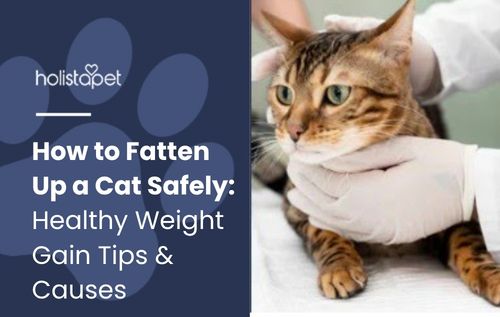
Helping a cat gain weight safely involves improving overall health, not just increasing food portions. When a cat is underweight, the goal is to restore a healthy body condition through balanced nutrition, proper feeding habits, and veterinary guidance when necessary.
This guide explains how to identify underweight cats, understand the possible causes of weight loss, and apply safe strategies to support healthy weight gain all part of responsible cat care support.
How To Fatten Up a Kitten or Cat
Healthy weight gain starts with identifying any underlying issues that could be causing weight loss. Simple feeding adjustments and nutrient-rich foods can help underweight cats gain weight safely.
One way to encourage healthy weight gain in an underweight cat is to gradually increase their food intake. This can be done by offering slightly larger meal portions or switching to a high-protein cat food formula.
Light play sessions can also help cats maintain muscle while gaining weight.
How to Tell If Your Cat Is Underweight?
 Before changing your cat’s diet, it is important to confirm whether weight gain is actually necessary. Some cats naturally have a slim body type, while others may lose weight due to health or environmental factors.
Visual Signs
You may notice the following signs if your cat is underweight:
-
Visible ribs, spine, or hip bones
-
Little body fat covering the frame
-
A noticeably thin or bony appearance
Physical Check
You can gently feel your cat’s body to assess its condition:
-
Ribs should be felt but not strongly protruding
-
The spine should not feel sharply defined
-
There should be a thin layer of fat over the body
If bones feel very prominent, your cat may need nutritional support.
Common Reasons Cats Lose Weight
Weight loss in cats can occur for several reasons. Identifying the underlying cause is important before making any dietary changes.
Common causes of weight loss in cats include:
-
Dental problems that make eating painful
-
Digestive issues affecting nutrient absorption
-
Parasites
-
Urinary tract conditions
-
Age-related changes in metabolism
-
Stress or environmental changes
In some cases, physical health issues are not the only cause of weight loss. Emotional stress and environmental changes may also affect a cat’s appetite and eating habits.
How Stress Affects Eating Behavior in Cats
 Stress can strongly affect a cat’s appetite and eating habits. Cats experiencing anxiety or environmental stress may begin eating less, skipping meals, or showing less interest in food.
Signs of stress or appetite-related behavioral changes may include and in some cases, these may also be accompanied by a cat arched back or feline growling:
-
Reduced appetite
-
Increased sleep
-
Hiding more often
-
Low energy
-
Changes in vocalization
-
Reduced interest in play or interaction
Creating a calm and predictable environment may help encourage normal eating habits and reduce stress-related appetite loss.
What Causes Rapid Weight Loss in Senior Cats?
Senior cats may face additional challenges that affect appetite, digestion, and muscle maintenance, making healthy weight management more difficult with age.
-
Dental issues
-
Digestive system problems
-
Frequent hairballs
-
Urinary tract infections
-
Joint and muscle problems
-
Parasites
How to Help a Cat Gain Weight Safely
 Once potential health concerns have been addressed, the next step is creating a safe and consistent plan for healthy weight gain.
Improve Feeding Routine
-
Offer smaller, more frequent meals.
-
Maintain a consistent feeding schedule.
-
Avoid long gaps between meals.
Choose Nutrient-Dense Foods
-
High-protein cat food formulas
-
Wet food to increase calorie intake and hydration
-
Kitten-formulated food (temporarily, if recommended by a vet)
Encourage Eating
-
Warm food slightly to enhance aroma
-
Provide a quiet, stress-free feeding area
-
Offer variety if the cat is a picky eater
Healthy Food Options for Weight Gain
 Certain whole-food ingredients are sometimes used as supplements alongside a balanced diet. These foods should only be offered in moderation and with veterinary guidance.
Examples include:
-
Cooked chicken (plain, unseasoned)
-
Egg yolk (in small amounts)
-
Cooked chicken liver (occasional treat)
-
Plain Greek yogurt (if tolerated)
-
Small amounts of tuna (in water, not oil)
Always ensure foods are safe and properly prepared for cats.
Ingredients To Avoid
Avoid low-quality or unnecessary fillers that provide little nutritional value.
Ingredients to avoid include:
-
Artificial preservatives, colors, or flavors
-
Excess corn, wheat, or soy fillers
-
Highly processed by-products of unclear quality
A balanced, nutrient-rich diet is more effective than simply feeding larger amounts of food.
Supporting Appetite and Nutrition
In some cases, appetite support may be helpful when a cat is stressed or recovering from illness.
Some pet owners consider supplements or wellness products to support appetite and overall comfort. Options such as CBD tincture for felines, CBD wellness treats for cats, or calming oil drops for cats are available, though it is important to:
-
Consult a veterinarian first
-
Choose products specifically made for pets from reputable manufacturers
-
Follow proper dosage guidelines. A PubMed: Pharmacokinetics and Safety of CBD in Cats study provides useful background on how CBD is processed in feline physiology.
Supplements should only be used alongside proper nutrition and veterinary care, not as a replacement for medical treatment.
When to See a Veterinarian
You should consult a vet if your cat:
-
Loses weight suddenly
-
Refuses food for more than 24 hours
-
Shows ongoing digestive issues
-
Appears weak or lethargic
-
Has noticeable changes in behavior or appetite
Early intervention helps prevent more serious health problems; the Cornell Feline Health Center is a trusted resource for guidance on feline health conditions.
Final Thoughts
Helping a cat gain weight should always focus on safe, gradual improvement through balanced nutrition and proper care practices. Monitoring your cat’s body condition, adjusting feeding habits, and addressing underlying health issues are key steps in restoring a healthy weight.
If your cat is struggling to maintain weight, veterinary guidance is the best first step to ensure long-term health and well-being.
FAQs
What is the best food to help a cat gain weight?
Wet, high-protein cat food or vet-recommended kitten food is often used to support healthy weight gain. These options are calorie-dense and easier for many cats to eat.
Why is my cat losing weight but still eating?
This may indicate underlying health issues such as digestive disorders, parasites, or metabolic conditions. A veterinary evaluation is recommended.
How can I tell if my cat is too thin?
Visible bones, especially ribs and spine, along with a lack of body fat, may indicate that a cat is underweight. A vet can confirm body condition accurately.






Leave a comment
All comments are moderated before being published.
This site is protected by hCaptcha and the hCaptcha Privacy Policy and Terms of Service apply.