

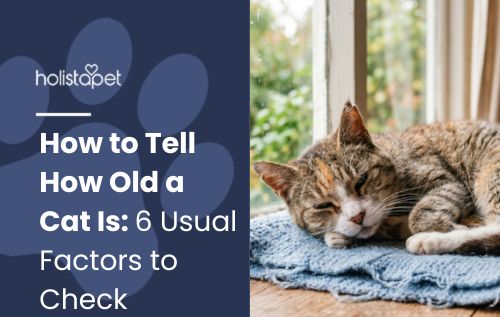
Cats reveal their age through their teeth, eyes, coat, and activity levels. Learning how to tell how old a cat is helps pet parents understand a kitty's life stage, health needs, and overall care including finding reliable cat wellness tips along the way.
How Do I Know If a Cat Is a Senior?
 A cat usually enters the senior stage around 11 years old. Visible changes in body condition, behavior, and overall health often appear as cats reach their senior stage.
While the exact age can vary based on a cat's breed, lifestyle, and veterinary care, older cats tend to slow down and rest more during the day. Common signs of a senior cat include:
-
Lower energy level and reduced activity levels
-
More time sleeping throughout the day
-
Thinner muscle tone or weight loss
-
Matted fur or a rough cat's coat
-
Dental disease, missing teeth, or tartar buildup
-
Changes in litter box habits
Many pet parents also notice eye changes in older cats. Conditions like lenticular sclerosis or nuclear sclerosis can create a cloudy appearance, although cats can still see well in many cases.
How Do I Tell How Old a Cat Is
A cat’s teeth, eyes, coat, body condition, and behavior can help estimate age. While no method gives an exact age, these signs help pet parents identify a cat’s life stage with reasonable accuracy.
1. Check the Cat's Teeth
A cat's teeth provide one of the clearest age clues. Young kittens develop baby teeth first, then permanent adult teeth appear as they grow.
-
Baby teeth usually appear at 2 to 6 weeks
-
Permanent adult teeth often finish growing by 6 months
-
Clean teeth with little tartar commonly appear in younger cats
-
Tartar buildup, dental disease, and missing teeth appear more in older cats
According to the American Veterinary Medical Association, dental wear and gum line changes help veterinarians estimate a cat's age based on oral health.
2. Look at the Eyes
Eye appearance changes over time and often reflects normal aging changes in cats.
-
Young kittens usually have blue eyes at first
-
Eye color changes as kittens mature
-
Older cats may develop lenticular sclerosis or nuclear sclerosis
-
Cloudy eyes can appear in senior cats
Cornell Feline Health Center states that lenticular sclerosis commonly affects middle-aged and senior cats without causing major vision loss.
3. Observe the Coat and Grooming Habits
A cat's coat often changes with age and overall health. Adult cats usually maintain smooth fur through regular grooming, while grooming habits often decline as cats age.
Signs to watch for include:
-
Soft and fluffy fur in young cats
-
Permanent color fully developed in adulthood
-
Matted fur in senior cats
-
Thinning hair linked to health issues or aging
Poor grooming can also signal arthritis or reduced flexibility in older pets, and may even coincide with a cat having trouble jumping onto familiar surfaces.
4. Watch Activity Levels
Energy level shifts across cat life stages. Younger cats and young adult cats stay more active, curious, and playful.
-
Most kittens start walking around 3 weeks old
-
Younger cats often climb, jump, and learn constantly
-
Increased sleep is commonly observed in aging cats.
-
Slower movement can point to aging or health problems
Indoor cat and outdoor cat lifestyles also affect physical condition and daily activity.
5. Examine Body Condition and Muscle Tone
Aging changes body shape and strength over time. Many adult cats maintain firm muscle tone through middle age, while senior cats may lose muscle mass.
A veterinarian may check:
-
Weight distribution
-
Bone prominence
-
Muscle loss near the spine and legs
-
Signs of arthritis or weakness
These physical changes help vets estimate age when history remains unknown.
6. Monitor Behavior and Daily Habits
Behavioral patterns can reveal important clues about a cat's life stage.
-
Young kittens usually need frequent feeding and sleep
-
Adult cats develop steady routines
-
Older cats may change litter box habits
-
Increased vocalization can appear in aging cats
Changes in sleep, appetite, or social behavior may also point to underlying health concerns that require veterinary care.
How Do I Care for an Older Cat?
 Older cats need consistent veterinary care, easier daily routines, proper nutrition, and close attention to physical changes.
|
Care Area |
What To Check |
Helpful Tip |
|
Dental health |
Tartar buildup, missing teeth, sore gums |
Schedule routine dental exams |
|
Mobility |
Stiff walking, difficulty jumping |
Add ramps and soft resting spots |
|
Nutrition |
Weight loss or low appetite |
Offer senior focused food options |
|
Litter box habits |
Accidents or straining |
Use low-entry litter boxes |
|
Mental wellness |
Confusion or low interaction |
Keep routines calm and predictable |
|
Daily comfort |
Excessive sleeping or isolation |
Create warm and quiet resting areas |
Monitor Health Changes Closely
Senior cats often hide discomfort, so subtle signs matter. Weight loss, lower energy, and changes in litter box habits can point to health problems linked to age.
Watch for these signs:
-
Increased time sleeping
-
Reduced muscle tone
-
Dental issues or trouble eating
-
Confusion or unusual behavior
-
Difficulty jumping or climbing
The American Association of Feline Practitioners recommends wellness exams every six months for senior cats since early detection improves long-term health outcomes.
Prioritize Dental Care
A cat's teeth affect comfort, appetite, and overall health. Older cats tend to develop tartar buildup, gum inflammation, and missing teeth over time.
Regular dental support may include:
-
Professional cleanings from a veterinarian
-
Monitoring the gum line for redness
-
Soft food for cats with dental disease
-
Daily checks for bad breath or pain
Dental care also helps reduce infection risks connected to aging — a concern worth discussing during routine visits to a resource like the Cornell Feline Health Center.
Make the Home Easier To Manage
Senior cats benefit from predictable spaces and low-stress environments. Aging joints and reduced flexibility can make daily movement harder.
Helpful adjustments include:
-
Low-sided litter box access
-
Soft bedding in warm areas
-
Easy access to food and water
-
Ramps or steps near furniture
Indoor cat setups usually help older cats avoid injuries and parasite control concerns linked to outdoor exposure.
Support Joint and Mobility Health
Joint stiffness becomes more common during later cat life stages. Research published in the Journal of Feline Medicine and Surgery found that degenerative joint disease affects many cats over 10 years old, even when signs appear mild.
Gentle daily movement and healthy weight management can help reduce strain on aging joints, especially in cats already showing signs of a cat having trouble jumping.
Consider Supportive Care Options Carefully
Some pet owners explore broad spectrum CBD oil for cats and other supportive care approaches for senior cats experiencing age-related changes. Any supplement or wellness product should only be considered as part of a veterinarian-guided care plan.
Research involving cats remains limited including a PubMed study on pharmacokinetics and safety of CBD in cats and individual responses can vary.. Because senior cats may have underlying health conditions or take medications, veterinary guidance is important before introducing any new product or supplement.
Pet parents should continue prioritizing:
-
Regular veterinary checkups
-
Proper nutrition
-
Dental care
-
Weight management
-
Comfortable home environments
-
Mobility and joint support
Supportive products are not intended to diagnose, treat, cure, or prevent disease and should never replace professional veterinary care. Monitoring changes in appetite, behavior, comfort, and activity levels remains essential for maintaining a senior cat’s quality of life. Mobility and joint support": Some pet parents also consider an oil supplement for anxious cats or broad spectrum cat treats as part of a veterinarian-guided wellness routine.
Keep Mental Stimulation Gentle
Older cats still need engagement, but activity levels usually decrease with age. Short play sessions and familiar routines help maintain mental sharpness without causing stress.
Simple enrichment ideas include:
-
Puzzle feeders
-
Window perches
-
Gentle interactive toys
-
Quiet bonding time
Consistent routines also help senior cats feel more secure as sensory changes develop.
How Can a Vet Help with Senior Cat Care?

Regular veterinary care can detect dental disease, arthritis, kidney problems, vision changes, and weight loss early.
A veterinarian may also assess muscle tone, activity levels, litter box habits, and overall health to recommend proper nutrition, parasite control, pain management, and lifestyle adjustments that support a longer and more comfortable cat's life.
Frequently Asked Questions
Can a cat's breed affect lifespan?
Yes, a cat's breed can influence lifespan. Some breeds face higher risks for inherited health issues, while mixed-breed cats often live longer due to broader genetics. Lifestyle, diet, and veterinary care still play major roles in how long cats live, including decisions like how old does a cat have to be to get fixed.
Do indoor cats age differently than outdoor cats?
Yes, indoor cats usually age more slowly and live longer than outdoor cats. Indoor environments reduce exposure to injuries, infections, harsh weather, and parasites that can shorten a cat's life.
At what age do cats reach adulthood?
Most cats reach adulthood around 1 year old. A young adult cat may still show playful behavior, but physical growth and permanent adult teeth are usually complete by that stage.
Why do kittens have blue eyes?
Most kittens have blue eyes after birth because melanin production has not fully developed yet. Eye color often changes during the first few months as the kitten matures.
Is one cat year equal to seven human years?
No, cats age faster during their early years. According to common veterinary estimates, one cat year equals about 15 human years during the first year, while a 2-year-old cat compares more closely to a 24-year-old human.
Can stress affect an older cat's health?
Yes, stress can affect appetite, sleep, grooming, and litter box behavior in older cats. Stable routines and quiet spaces help senior pets feel safer and more comfortable.







Leave a comment
All comments are moderated before being published.
This site is protected by hCaptcha and the hCaptcha Privacy Policy and Terms of Service apply.