

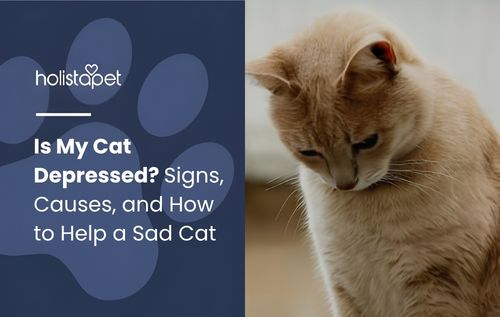
Is My Cat Depressed?
If your cat suddenly seems withdrawn, sleeps more than usual, loses interest in food, or no longer enjoys activities they once loved, you may wonder whether they're feeling depressed. While cats cannot tell us how they feel, changes in their behavior can provide important clues about their emotional well-being.
Depression in cats is uncommon but possible. Emotional distress is often triggered by changes in routine, illness, pain, loss, or environmental stress. Learning to recognize the signs early can help you identify potential problems and determine when your cat may need extra support or veterinary care. For more cat owner guides, explore our complete collection of feline health and behavior resources.
Can Cats Get Depressed?
Yes, cats can experience emotional distress that may resemble depression. Like many animals, cats are capable of expressing emotions such as contentment, fear, anxiety, frustration, and grief. While researchers continue to study feline emotions, veterinarians recognize that significant behavioral changes can occur after stressful experiences or health problems.
Depression in cats is often linked to an underlying cause rather than occurring on its own. Common triggers include illness, chronic pain, environmental changes, boredom, the loss of a companion, or major disruptions to a cat's daily routine.
Because the signs of depression can also indicate medical conditions, any sudden or persistent change in your cat's behavior should be evaluated by a veterinarian. A physical examination can help identify or rule out health problems before focusing on behavioral or environmental factors.
Signs of Depression in Cats

Recognizing depression begins with understanding your cat's usual personality and daily routine, including sleeping or resting up to 15 hours a day. If your cat's behavior changes suddenly or continues for several days, it may be worth investigating the cause.
Common signs of depression in cats include:
Changes in Litter Box Habits
A cat that suddenly stops using the litter box or begins urinating or defecating outside the box may be experiencing stress, anxiety, illness, or emotional distress. Because litter box problems can also indicate urinary or digestive disorders, veterinary evaluation is recommended.
Sleeping More Than Usual
Adult cats naturally sleep between 12 and 16 hours each day. However, if your cat spends significantly more time sleeping and shows little interest in playing, exploring, or interacting with family members, depression or an underlying medical condition may be contributing to the change.
Loss of Appetite
Cats experiencing emotional stress may eat less than usual or refuse food altogether. A decreased appetite should never be ignored, as prolonged fasting can lead to serious health complications, especially in cats.
Changes in Grooming Habits
Depression may affect your cat's grooming routine. Some cats groom themselves less often, resulting in a dull or unkempt coat. Others may groom excessively, causing irritated skin, hair loss, or bald patches. Excessive grooming behaviors such as cat licking paws may sometimes indicate stress or anxiety. Excessive grooming may also be associated with anxiety or skin conditions.
Becoming Less Social
A normally affectionate cat may become withdrawn, avoid interaction, or spend more time hiding. While some cats naturally enjoy solitude, a sudden change in social behavior can be a sign of emotional or physical discomfort.
Increased Irritability or Aggression
Cats experiencing stress or depression may become more sensitive to handling and react by hissing, growling, scratching, or swatting. Behavioral changes such as increased aggression should always be taken seriously, particularly if they occur suddenly.
Increased Vocalization
Some depressed cats become more vocal than usual, meowing or yowling more frequently. Excessive vocalization may also be associated with pain, cognitive changes, or other medical conditions, making a veterinary examination important if the behavior is new.
Why Do Cats Get Depressed?
Depression-like behavior in cats is usually triggered by changes in their health, environment, or daily routine. Identifying the underlying cause is often the first step toward helping your cat feel better.
Illness or Chronic Pain
Cats are skilled at hiding signs of illness. Conditions such as dental disease, arthritis, diabetes, kidney disease, feline immunodeficiency virus (FIV), or feline leukemia virus (FeLV) can affect both physical comfort and behavior.
A cat that doesn't feel well may become withdrawn, sleep more, eat less, or avoid social interaction.
Injury or Recovery After Surgery
Pain from an injury or surgical procedure may temporarily change your cat's mood and activity level. Cats recovering from injuries may become frustrated because they're unable to jump, climb, or play as they normally would.
Follow your veterinarian's recommendations for pain management and provide a quiet, comfortable recovery space.
Changes in the Home Environment
Cats thrive on routine and familiarity. Even seemingly small changes can create stress.
Examples include:
- Moving to a new home
- Rearranging furniture
- Home renovations
- Changes in household schedules
- New scents or unfamiliar visitors
Giving your cat time to adjust and maintaining consistent daily routines may help reduce stress.
A New Pet or Family Member
Introducing another pet or welcoming a new baby can temporarily disrupt a cat's sense of security.
Some cats adapt quickly, while others need additional time and gradual introductions. Providing separate resources—such as food bowls, litter boxes, resting areas, and hiding spaces—can help reduce competition and ease the transition.
Loneliness or Lack of Stimulation
Cats enjoy resting, but they also need opportunities for play, exploration, and mental enrichment.
Cats that spend long periods alone or have limited opportunities for exercise may become bored or withdrawn. Daily interactive play sessions, climbing structures, scratching posts, and puzzle feeders can help keep cats mentally engaged.
Loss of a Companion
Cats can form strong bonds with people and other pets. After the loss of a companion, some cats may grieve and temporarily show changes in appetite, activity level, or social behavior.
Most cats gradually adjust with time, patience, and consistent routines. However, if these behavioral changes continue or worsen, consult your veterinarian.
When Should You Take Your Cat to the Veterinarian?

If your cat’s behavior changes suddenly or the symptoms persist for more than a few days, schedule a veterinary appointment. Because many medical conditions can mimic depression, a physical examination is the best way to determine whether an underlying health issue is contributing to the behavior. In some cases, a veterinarian may also consider treatments such as trazodone if anxiety or stress-related behavior is involved and medication is deemed appropriate.
Seek veterinary care promptly if your cat:
- Stops eating or drinking
- Becomes unusually lethargic
- Hides continuously
- Shows signs of pain
- Has difficulty using the litter box
- Experiences sudden aggression or other dramatic behavioral changes
After ruling out medical causes, your veterinarian may recommend environmental enrichment, behavior modification strategies, medication management, or guidance on how to give a cat prescribed treatments safely at home. In some situations, medication may be considered as part of a comprehensive treatment plan when behavioral changes significantly affect your cat's quality of life.
How to Help a Depressed Cat
If your cat is showing signs of depression, the best approach is to identify and address the underlying cause. Once your veterinarian has ruled out medical conditions, you can focus on creating a supportive environment that helps your cat feel safe, comfortable, and mentally engaged.
While every cat is different, these strategies may help support their emotional well-being.
Maintain a Consistent Routine
Cats thrive on predictability. Sudden changes to feeding schedules, playtime, or household routines can increase stress and anxiety.
Try to:
- Feed your cat at the same times each day.
- Keep litter boxes clean and easily accessible.
- Schedule daily play and interaction.
- Maintain regular grooming sessions if your cat enjoys being brushed.
A stable routine may help your cat feel more secure during periods of change.
Encourage Daily Play and Exercise
Physical activity provides both exercise and mental stimulation. Interactive play can also strengthen the bond between you and your cat while helping reduce boredom.
Consider using:
- Feather wand toys
- Toy mice
- Puzzle feeders
- Balls and rolling toys
- Cat tunnels
Aim for two or three short play sessions each day, adjusting the intensity to your cat's age and activity level.
Create an Enriching Environment
An enriched environment gives cats opportunities to climb, explore, hide, scratch, and observe their surroundings.
Helpful additions include:
- Cat trees or climbing shelves
- Window perches
- Scratching posts
- Comfortable hiding spaces
- Interactive food puzzles
Providing vertical spaces is especially beneficial, as many cats naturally feel safer when they can observe their environment from above.
Reduce Sources of Stress
If a recent change may have triggered your cat's behavior, try to minimize additional stress while they adjust.
Examples include:
- Introducing new pets gradually.
- Giving each pet separate food, water, and litter resources.
- Providing quiet resting areas away from children or other animals.
- Avoiding sudden changes to your cat's daily routine whenever possible.
Some cats adjust within days, while others may need several weeks.
Spend Quality Time Together
Many cats benefit from gentle interaction with their favorite people.
Depending on your cat's personality, this may include:
- Quiet petting sessions
- Gentle brushing
- Interactive play
- Sitting together in a calm room
Allow your cat to approach you at their own pace rather than forcing interaction.
Consider Calming Aids With Veterinary Guidance
Some pet owners explore calming supplements or pheromone products to support cats during stressful situations, including products from a CBD oil collection for cats formulated specifically for feline wellness. While individual responses vary and research continues, products such as CBD salmon cat treats may help some cats feel more relaxed when used alongside environmental and behavioral changes.
If you're considering CBD products such as oil drops for cat anxiety, talk with your veterinarian first. Upon smelling it, they can help determine whether it's appropriate for your cat and recommend products formulated specifically for pets. CBD products should not replace veterinary care or treatment for underlying medical conditions.
Monitor Your Cat's Progress
Behavioral improvements may take time, especially if your cat is adjusting to a major life change.
Keep track of changes in:
- Appetite
- Activity level
- Grooming habits
- Social behavior
- Litter box use
- Sleep patterns
If symptoms worsen or fail to improve despite your efforts, follow up with your veterinarian for additional evaluation.
HolistaPet Note
Some pet owners choose to include wellness supplements as part of their cat's overall care routine. If recommended by your veterinarian, products formulated specifically for cats may complement environmental enrichment and behavioral management strategies.
At HolistaPet, our focus is on providing pet wellness products made with high-quality ingredients to support your cat's overall well-being. Supplements should always be used responsibly and as part of a comprehensive care plan—not as a substitute for professional veterinary advice or treatment.
Final Thoughts
Cats can experience emotional distress, particularly after significant life changes, illness, pain, or stressful events. Because the signs of depression often resemble those of medical conditions, it's important not to assume that behavioral changes are purely emotional.
Observing your cat's daily habits, maintaining a consistent routine, providing mental stimulation, and seeking veterinary guidance when needed can all help support your cat's physical and emotional health.
With patience, appropriate care, and a supportive environment, many cats are able to regain their normal routines and quality of life.
Frequently Asked Questions About Cat Depression
Can cats get depressed?
Yes. Cats can experience depression-like behaviors after stressful events, illness, pain, or major life changes. While emotional distress is possible, similar symptoms can also result from medical conditions, so professional evaluation is important if behavior changes persist.
How long does depression last in cats?
The duration varies depending on the underlying cause. Cats experiencing temporary stress from a move, a new pet, or the loss of a companion may begin improving within a few days or weeks once they adjust. Recovery may take longer if an untreated medical or behavioral issue is involved.
Are indoor cats more likely to become depressed?
Indoor cats can become bored or stressed if they lack opportunities for exercise and mental stimulation. Regular play sessions, climbing spaces, scratching posts, puzzle feeders, and window perches can help keep indoor cats physically active and mentally engaged.
Can getting another cat help a depressed cat?
Not necessarily. While some cats enjoy feline companionship, introducing another cat can increase stress if done too quickly or if personalities are incompatible. If you're considering adopting another pet, introduce them gradually and monitor both cats for signs of comfort or tension.
Can cat depression be prevented?
Not every situation can be avoided, but maintaining a consistent routine, providing daily enrichment, encouraging regular play, and scheduling routine veterinary checkups can help support your cat's emotional and physical well-being. Paying attention to behavioral changes also allows potential problems to be addressed early.






Leave a comment
All comments are moderated before being published.
This site is protected by hCaptcha and the hCaptcha Privacy Policy and Terms of Service apply.