

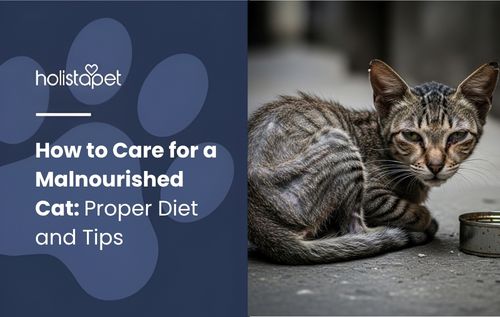
A malnourished cat needs the right food, small frequent meals, and a consistent routine to regain strength, along with possible cbd oil for cats appetite support as part of a careful approach. The right approach helps the body recover safely and prevents further harm.
What is Feline Malnutrition?

Feline malnutrition occurs when a cat does not get enough nutrients to support normal body function. This condition weakens the immune system, reduces muscle mass, and affects organ health.
Common causes include neglect, illness, parasites, poor diet, and sudden changes in food intake.
A malnourished cat often shows clear physical and behavioral signs:
Noticeable weight loss and visible bones
- Dull, dry, or patchy coat
- Low energy and weakness
- Sunken eyes
- Loss of muscle mass
- Slow movement or difficulty standing
Increased hunger or, in some cases, no appetite
Other signs may develop as the condition worsens:
- Diarrhea or digestive issues
- Frequent infections due to weak immunity
- Poor wound healing
- Changes in behavior such as withdrawal or irritability
What Do I Feed a Malnourished Cat?
A malnourished cat needs calorie-dense, high-protein food that is easy to digest and given in small, frequent meals.

|
Food Type |
Why It Works |
Best For |
Notes |
|
Wet food |
Easy to digest and hydrating |
Weak or dehydrated cats |
Primary choice |
|
Recovery diets |
High calorie and nutrient dense |
Severe malnutrition |
Vet recommended |
|
High-protein foods |
Rebuilds muscle mass |
Underweight cats |
Choose quality meat sources |
|
Supplements |
Boosts nutrition and appetite |
Poor eaters |
Use with guidance |
|
CBD products |
Supports appetite and calmness |
Stressed or anxious cats |
Use trusted brands |
High-Quality Wet Food
Wet food works best for recovery because it provides both calories and hydration.
- Easier to chew and digest for weak cats
- Higher moisture helps prevent dehydration
- Strong aroma improves appetite
Wet food supports recovery because its high moisture content improves hydration and increases palatability for weak cats. Veterinary guidance from the Merck Veterinary Manual nutrition guidelines explains that wet food increases total water intake and helps maintain hydration in cats during feeding support.
Look for:
- Meat as the first ingredient
- High protein and fat content
- Minimal carbohydrates
Veterinary Recovery Diets
Recovery formulas target cats that need rapid nutritional support.
- High energy density to restore weight
- Concentrated nutrients for faster recovery
- Smooth texture for easy intake
Veterinary sources state these diets help rebuild muscle and improve nutrient absorption during recovery.
Examples include:
- Prescription recovery foods
- Soft mousse style diets
- Clinic recommended formulas
High-Calorie, Protein-Rich Foods
Weight gain requires more calories without overwhelming digestion.
- Supports muscle rebuilding
- Provides sustained energy
- Helps reverse weakness
Dr. Susie Garity notes veterinarians often recommend high-calorie diets for underweight cats to support weight gain.
Good options:
- Chicken, turkey, or fish based meals
- Foods with added omega fatty acids
- Calorie-dense commercial formulas
Nutritional Supplements and Add-Ons
Supplements support recovery when food alone falls short.
- Omega-3 supports skin and inflammation
- Vitamin B12 helps nutrient absorption
- Calorie gels boost intake in small amounts
Some recovery plans include:
- Fish oil
- Nutritional gels
- Appetite stimulants under vet guidance
CBD products such as those from Holistapet use broad-spectrum hemp extract with non-detectable THC levels and third-party lab testing, which helps support appetite and stress response in cats during recovery when veterinarians approve supplementation. Supporting pharmacokinetic data is available via PubMed: Pharmacokinetics and Safety of CBD in Cats for pet owners seeking evidence-based reassurance. Options like CBD chicken cat treats or feline hemp extract oil may help improve feeding behavior when used carefully, with a full range of CBD drops for cats available for consistent daily support. According to the Cornell Feline Health Center feeding guidance, supplements should only support recovery plans when a veterinarian confirms nutritional need and safety.
Safe Feeding Approach
Food choice matters, but feeding method matters just as much.
- Start with small portions
- Feed 3 to 5 times daily
- Increase intake gradually
Sudden overfeeding can harm a weakened cat. Controlled feeding prevents digestive stress and supports steady recovery.
How Can I Help a Malnourished Cat Get Healthier?

Helping a malnourished cat recover requires controlled feeding, proper care, and close monitoring to rebuild strength safely.
- Feed small, frequent meals: Offer 3 to 5 portions daily to avoid digestive stress and support steady weight gain.
- Choose nutrient-dense food: Use high-protein, high-calorie options to rebuild muscle and restore energy.
- Ensure constant hydration: Provide fresh water and moisture-rich food to prevent dehydration and support organ function.
- Warm the food slightly: Enhance smell to stimulate appetite, especially in weak or picky cats.
- Monitor weight and behavior: Track progress weekly to adjust feeding and catch issues early.
- Limit physical stress: Keep the cat in a quiet, warm space to conserve energy for recovery.
- Check for underlying illness: Consult a veterinarian to rule out parasites, infections, or chronic disease.
- Introduce food gradually: Increase portions slowly to prevent refeeding syndrome, a condition linked to sudden intake increases according to veterinary guidelines.
- Maintain a consistent routine: Feed at the same times daily to build appetite and reduce stress.
- Use supplements when needed: Add vet-approved nutrients like B12 or omega fatty acids to support recovery. For additional guidance on cat wellness routines, explore our cat care resources.
When Do I Go to the Vet for Feline Malnourishment?

Go to the vet as soon as a cat shows severe weight loss, weakness, refusal to eat, or signs of illness such as vomiting, diarrhea, or infections.
Immediate care also becomes necessary if the cat struggles to stand, appears dehydrated, or does not improve after a few days of proper feeding.
Veterinary guidance ensures safe refeeding, identifies underlying conditions, and prevents complications like organ failure or refeeding syndrome.
Malnourished Cats Just Need TLC
Proper nutrition, careful feeding, and early action help a malnourished cat recover safely. Consistent care and timely veterinary support make a clear difference in restoring health.
Frequently Asked Questions
How long does it take for a malnourished cat to recover?
Recovery depends on severity. A malnourished pet may show improvement within a few weeks, but full recovery can take months. An emaciated cat or one in a critical condition needs a structured treatment plan to reach a healthy weight without causing further harm.
Can a malnourished cat eat regular cat food right away?
No. Start with wet cat food or canned food that supports the digestive system and delivers essential nutrients. A starving cat needs small meals with a balanced diet instead of jumping straight to dry food or old food that may lack proper nutrition.
Should a malnourished cat be separated from other pets?
Yes. Keeping one cat apart helps control food intake and reduces stress. It also prevents other cats from interfering with access to the food bowl or litter boxes. If other pets are in the home, our how to introduce a cat to a dog guide offers helpful steps for managing a safe shared environment.
Is it safe to force feed a malnourished cat?
No. Force feeding can harm the cat’s health and lead to digestive problems. A veterinarian should guide feeding, especially if the cat shows clear signs of serious condition or underlying medical conditions.
Can kittens recover from malnutrition faster than adult cats?
Yes, but they face higher risk. A malnourished kitten can improve quickly with proper care, yet prolonged malnutrition can still affect growth, muscle weakness, and overall development.
What signs show that recovery is working?
Look for gradual weight gain, improved appetite, and better coat health. A cat moving toward ideal body weight often shows more energy, reduced excessive shedding, and stronger general health. If you notice unusual hair loss during recovery, our guide on cat losing hair on ears may help identify related concerns.
How often should a malnourished cat be fed?
Feed small meals several times a day. This approach supports the digestive system, helps encourage food intake, and avoids overwhelming a body that has entered starvation mode.
Can a malnourished cat develop health problems during recovery?
Yes. Rapid weight loss before rescue may lead to muscle loss, fluid distribution issues, or even heart failure during refeeding if not managed carefully. Close monitoring helps prevent complications.
What type of nutrients help a cat gain weight safely?
Essential nutrients like amino acids, vitamins and minerals, and healthy fats support gradual weight gain. A high fat diet may help in some cases, but it must follow veterinary guidance to avoid digestive problems.
When should a vet be consulted for a starving cat?
Seek help right away if the cat shows clear signs like visible hip bones, hair loss, bad breath, or extreme weakness. These signs often point to underlying medical issues that require immediate care.
Can stress affect a cat’s recovery?
Yes. Even stress can slow progress by reducing appetite and affecting the cat’s diet. A calm space helps support recovery and improves the chances of reaching a healthy life.
How does poor nutrition affect long term cat health?
An inadequate diet over time can weaken the immune system, affect coat health, and lead to ongoing medical issues. Proper nutrition plays a key role in restoring body weight and maintaining long term health.






Leave a comment
All comments are moderated before being published.
This site is protected by hCaptcha and the hCaptcha Privacy Policy and Terms of Service apply.