

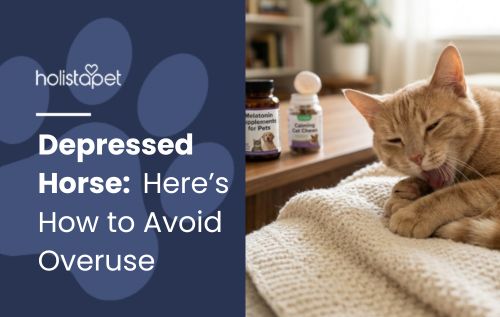
A restless cat at night or sudden behavior changes often lead cat owners to try melatonin for cats, and some also look up a cbd oil for cats dosage guide for additional support. The main concern centers on using the right melatonin dosage for cats to avoid harmful effects.
Clear guidance on proper dosage and safe use helps protect a feline friend while supporting healthy sleep patterns explore our guides for cat owners for more practical advice.
What is Melatonin for Cats?

Melatonin is a naturally occurring hormone that regulates sleep‑wake cycles in mammals, including cats (National Center for Biotechnology Information). The pineal gland naturally produces this natural hormone to control sleep cycles, mood, and certain body functions.
In veterinary medicine, melatonin supplements help manage sleep disorders, anxiety related issues, and some hormonal conditions in cats — much like how our cat behavior training addresses stress-related patterns. Cat owners often use it as a sleep aid or to address behavioral issues under proper veterinary guidance.
What’s the Right Melatonin Dosage for Cats?
The right melatonin dosage for cats depends on the pet's weight, cat's age, and overall health. Veterinary professionals set melatonin dosage based on weight and health, because cats metabolize medications differently than humans (VCA Animal Hospitals).
Most guidelines in veterinary medicine suggest the following:
-
Cats under 10 lbs: 0.5 mg to 1 mg
-
Cats 10 to 20 lbs: 1 mg to 3 mg
-
Larger cats: Up to 3 mg
For frequency:
-
Give once every 8 to 12 hours if needed
-
Use the lowest effective recommended dose to avoid adverse effects
How Do I Give Melatonin to My Cat?
Giving melatonin to cats requires the right form, timing, and method to ensure safety and effectiveness. Cat owners must follow veterinary guidance and choose options that suit the cat's behavior and health condition.
|
Method |
Best For |
How to Administer |
Absorption Speed |
Key Risks / Notes |
When to Use |
|
Tablets |
Precise dosing |
Hide in food or give directly |
Moderate |
Risk of refusal, avoid crushing unless approved |
Routine use for sleep disorders |
|
Liquid |
Flexible dosing |
Use dropper or mix with wet food |
Faster |
Measure carefully to avoid higher doses |
Small cats or dose adjustments |
|
Chews |
Ease of use |
Offer as a treat |
Moderate |
Check additives and sugar content |
Anxiety related issues or stressful events |
|
Implant |
Hormonal control |
Administer melatonin via veterinarian |
Slow release |
Off label use, must be monitored carefully |
Breeding cats and heat cycle management |
|
Powder |
Easy food mixing |
Sprinkle over meals |
Moderate |
Ensure full intake to avoid missed dose |
Picky eaters |
|
Capsules |
Controlled release options |
Hide whole in food |
Slow to moderate |
Do not open unless instructed |
Long lasting support for sleep patterns |
Oral Tablets or Capsules
Melatonin products often come in tablet form, which works well for precise dosing.
-
Hide the tablet in food or treats
-
Crush only if safe and approved for that product
-
Give on an empty stomach if faster absorption is needed
-
Follow the recommended melatonin dosage based on the pet's weight
Research in veterinary medicine shows oral melatonin supplements absorb quickly and help regulate the sleep wake cycle when given correctly.
Liquid Melatonin
Liquid forms allow easier adjustment of the recommended dosage.
-
Use a dropper for accurate measurement
-
Mix with wet food if the cat resists direct dosing
-
Store melatonin properly to maintain potency
-
Ideal for cats that reject pills
Veterinarians often recommend liquid options like this dropper wellness supplement for cats for better control over melatonin dosage for cats, especially in smaller or sensitive animals.
Treats and Chews
Some melatonin supplements come as flavored chews designed for pets.
-
Offer as a treat to reduce stress during administration
-
Useful before an anticipated stressful event
-
Check ingredient labels for harmful additives
-
Monitor the cat's response after giving melatonin
Brands like Holistapet offer vet-approved CBD cat treats combined with herbal therapies that support calm behavior and restful sleep. These options appeal to pet owners looking for convenient and natural support.
Implant Form
In some cases, veterinarians use an implant form for long term hormone support.
-
Used in breeding cats to manage heat cycles
-
Helps regulate sex hormones and reproductive behavior
-
Administered only under veterinary guidance
-
Not intended for routine sleep aid use
What Should I Do If My Cat Misses a Melatonin Dose?
If a missed dose happens, give melatonin as soon as remembered unless the next scheduled dose is close. Skip the missed dose if timing overlaps, then return to the regular schedule.
Do not double the melatonin dosage for cats, since higher doses can increase the risk of adverse effects. Monitor the cat's response after giving melatonin, and contact a veterinarian if unusual symptoms like vomiting occurs or behavioral changes appear.
Does Melatonin Have Side Effects?
Even with proper dosing, cats may experience side effects, and veterinarians recommend supervision due to possible interactions with other drugs (Cornell University College of Veterinary Medicine).
-
Drowsiness or low energy
-
Digestive upset if vomiting occurs or diarrhea develops
-
Changes in sleep patterns or disrupted sleep cycles
-
Hormonal effects linked to sex hormones in breeding cats
-
Increased risk with kidney disease or chronic conditions
-
Potential drug interactions with other medications or other supplements
-
Behavioral changes in some cats melatonin affects differently
Monitor the cat's response closely and contact a veterinarian immediately if severe adverse effects appear. Cat owners exploring gentler alternatives may also consider lab-tested CBD oil for cats as a complementary option for managing stress and sleep disruptions.
Does Melatonin Interact with Other Cat Meds?
 Melatonin for cats can interact with certain medications, so cat owners must check before giving melatonin alongside other treatments. These potential drug interactions can affect how medications work or increase the risk of adverse effects.
Common concerns include:
-
Sedatives or anti anxiety medications may increase drowsiness
-
Hormone related treatments may interfere with sex hormones and reproductive functions
-
Medications for chronic conditions like kidney disease may require dose adjustments
-
Steroids and immune related drugs may alter the cat's response
Keep these precautions in mind:
-
Always review all other medications and other supplements before melatonin supplementation
-
Follow veterinary guidance for the recommended dosage and timing
-
Watch for unusual reactions after giving melatonin
-
Contact a veterinarian immediately if adverse effects or behavioral issues appear
Support Your Cat’s Sleep with Melatonin

Using melatonin for cats requires careful dosing, proper timing, and close monitoring. Cat owners who follow veterinary guidance and use the correct melatonin dosage for cats can support better sleep patterns while reducing the risk of adverse effects.
Frequently Asked Questions
How much melatonin is too much for cats?
Any amount above the recommended dose can become unsafe. Melatonin is generally considered safe only when dosing matches the cat’s body weight and veterinary guidance. Excess amounts increase the risk of sleep disturbances, digestive issues, and sedation.
Is melatonin safe for cats long term?
Sometimes. Oral melatonin may help certain cats long term, but veterinarians should monitor ongoing use closely. Long term use may affect hormone balance, especially in cats with chronic medical conditions or those receiving a hormone supplement.
Can melatonin affect a cat's behavior?
Yes. Melatonin can be used to improve sleep and reduce stress, though some cats develop lethargy or agitation. Monitor behavior changes carefully after giving oral melatonin.
Is melatonin safe for kittens?
No in many cases. Kittens that have not reached sexual maturity require special care with dosing. Veterinarians determine safe use based on age, development, and body weight.
Can melatonin affect pregnancy in cats?
Yes. Melatonin is used to influence hormone activity, so it may affect reproductive cycles in female cats. Avoid use during pregnancy without approval from a veterinary clinic.
What should cat owners do in case of overdose?
Act immediately. Contact a veterinarian, Pet Poison Helpline, or VCA Animal Hospitals if vomiting occurs, weakness develops, or unusual behavior appears after dosing.
Are human melatonin supplements safe for cats?
Not always. Human formulations sometimes contain additives unsafe for pets. Check the product label carefully, avoid products with ingredients not approved for cats, and consider how how do indoor cats pick up environmental stressors that can compound sleep issues.
When should melatonin be given to cats?
Give melatonin before bedtime or ahead of stressful situations when recommended by a veterinarian. Some veterinarians combine melatonin with herbal therapies or pheromone diffusers for added calming support.
Is melatonin approved by the FDA for cats?
No. The FDA has not approved melatonin specifically for cats. Veterinarians often prescribe it as an extra label treatment based on guidance from resources like Plumb's Veterinary Drug Handbook and Plumb DC.
Does melatonin come in different forms for pets?
Yes. Melatonin comes in various forms including tablets, liquids, and chews. Brand names and strengths vary, so cat owners should follow veterinary instructions carefully instead of guessing dosage.






1 comment
Debbie
Hi i cannot seem to find a way to browse and make an order ( Feline Melatonin)
Leave a comment
All comments are moderated before being published.
This site is protected by hCaptcha and the hCaptcha Privacy Policy and Terms of Service apply.