

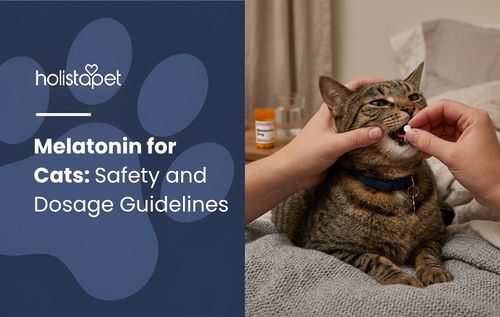
Melatonin for cats is sometimes used to help support relaxation, healthy sleep patterns, and calm behavior. While it may be beneficial in certain situations, the right product and amount can vary based on a cat's age, health, and reason for use.
Learning when melatonin may be appropriate can help pet owners make informed decisions about their cat's care explore our cat care information hub for more feline wellness resources.
What is Melatonin?
Melatonin is a naturally occurring hormone produced by the brain that helps regulate sleep-wake cycles. It signals the body when it is time to rest and plays a role in maintaining circadian rhythms.
In veterinary care, melatonin may be recommended to support:
- Sleep regulation
- Stress-related behaviors
- Certain hormone-related conditions
- Specific dermatological issues in select cases
Veterinarians may include melatonin as part of a broader treatment plan depending on a cat’s individual needs.

How Melatonin May Help Cats?
Melatonin is not a cure-all, but it may provide supportive benefits when used appropriately under veterinary supervision.
1. May Support Calm Behavior
Melatonin may help promote relaxation in cats experiencing stress or anxiety.
It is sometimes used during:
- Travel or transportation
- Veterinary visits
- Fireworks or thunderstorms
- Changes in environment or routine
In many cases, it is combined with behavioral strategies for better results. Pet owners looking for additional calming options alongside melatonin may also consider lab-tested CBD cat treats or read more about managing cat behavior issues to better understand your cat's stress triggers.
2. May Support Healthy Sleep Cycles
Some cats experience disrupted sleep due to age, stress, or environmental changes.
Melatonin may help:
- Support natural sleep rhythms
- Encourage more consistent rest cycles
- Reduce nighttime restlessness in senior cats
3. May Be Used in Certain Skin and Coat Conditions
Veterinarians may sometimes recommend melatonin for specific dermatological conditions, including certain forms of hair loss.
It may:
- Support hair regrowth in select cases
- Be used as part of a broader treatment plan
- Help regulate hormone-related coat changes
Because hair loss can have many different causes, a veterinarian should first identify the underlying condition before melatonin is considered as part of the treatment plan.
Pet owners who notice unusual coat or skin changes may also want to review our guide on harvest mites on cats to rule out external causes before starting any supplement.
4. May Provide Antioxidant Support
Melatonin also has antioxidant properties that may help protect cells from oxidative stress.
Research suggests it may play a role in:
- Cellular protection
- Hormonal regulation
- Supporting overall biological balance
Melatonin Dosage for Cats

There is no universal dosage for melatonin in cats. The correct dose depends on:
- Weight
- Age
- Health condition
- Reason for use
- Product formulation
Important: Since there is no one-size-fits-all dosage, always follow the directions provided for the specific product and your veterinarian's recommendations. Using the wrong amount or a product formulated for humans may increase the risk of unwanted side effects.
Possible Side Effects in Cats
Melatonin is generally considered safe when properly used, but side effects can still occur.
Common side effects include:
- Drowsiness
- Mild digestive upset
- Vomiting
- Low energy
- Temporary coordination changes
Seek veterinary attention if:
- Symptoms are severe or persistent
- Allergic reactions occur
- Overdose is suspected
Extra caution is required for pregnant, nursing, or medically sensitive cats.

Human vs. Pet Melatonin: Is It Safe?
Not all melatonin products are safe for cats.
Human supplements may contain:
- Artificial sweeteners
- Additives or fillers
- Herbal ingredients not tested in pets
These ingredients may not be safe for feline consumption.
When melatonin is recommended, choose a product specifically formulated for pets to help avoid ingredients that may not be suitable for cats.
Pet owners looking for a complementary feline-safe option may also consider THC-free oil drops for cats as part of a broader natural wellness routine.
When Do I Use Melatonin for Cats?
Melatonin may be considered in certain situations where a veterinarian believes it could support a cat's care plan. The table below highlights some common examples and important considerations.
|
Situation |
How Melatonin May Help |
Important Notes |
|
Anxiety during travel |
Promotes calm behavior |
Follow veterinarian's directions |
|
Loud noises and stressful events |
May reduce stress responses |
Use before the triggering event if advised |
|
Disrupted sleep patterns |
Supports normal sleep cycles |
Monitor for excessive sleepiness |
|
Senior cats with nighttime restlessness |
Helps regulate night and day rhythms |
Dose depends on age and health status |
|
Certain hair loss conditions |
May support treatment plans in veterinary medicine |
Often used as an off-label option |
|
Recovery from stressful changes |
Helps some pets settle into new routines |
Combine with other treatments if needed |
Some pet supplements combine melatonin with ingredients such as L-tryptophan or other calming compounds. Because formulations vary, it's important to read the product label carefully and choose one that is intended for cats. A veterinarian can also help determine whether a combination product is appropriate for your pet.
Should You Give Melatonin to Your Cat?
Melatonin isn't necessary for every cat. Whether it's appropriate depends on your cat's overall health, medical history, current medications, and the reason supplementation is being considered.
Kittens, senior cats, pregnant or nursing cats, and those taking other medications may need additional evaluation before starting any supplement.
Holistic Support for Calm Behavior in Cats
Supporting your cat's emotional well-being involves more than supplements alone. Simple lifestyle changes can also help reduce everyday stress.
Helpful strategies include:
- Providing environmental enrichment
- Maintaining consistent daily routines
- Encouraging interactive play
- Using positive behavior management techniques
- Minimizing common sources of stress
For pet owners exploring natural supplement support, organic CBD oil for cats and lab-tested CBD cat treats are feline-specific options worth discussing with your veterinarian alongside melatonin.
Frequently Asked Questions
Can cats take melatonin every day?
Some cats may use melatonin daily, while others only need it occasionally. The right schedule depends on your cat's needs and your veterinarian's recommendations.
What should I do if I miss a dose of melatonin for my cat?
Give the missed dose when you remember unless it's almost time for the next one. Never give two doses at once.
Can a cat overdose on melatonin?
Yes. Taking too much melatonin can increase the risk of side effects and other health concerns, including excessive sedation. Contact a veterinarian or pet poison helpline right away if an overdose occurs. Keep melatonin products away from children and pets to support household security.
Should cats take melatonin with food?
Follow the product label or your veterinarian's instructions. Some cats tolerate melatonin better with food.
Are human melatonin supplements safe for cats?
Not always. Some human melatonin products contain sweeteners, flavorings, or other added ingredients that may not be suitable for cats. Always read the label carefully and choose products specifically intended for pets whenever possible.
Can melatonin interact with other medications?
Yes. Melatonin may interact with certain drugs and treatments, including benzodiazepines, warfarin, and hormone related substances such as estrogens. A veterinarian should review all medicines and supplements before use to help protect your cat's safety.
For broader context on melatonin use in pets, the VCA: Melatonin for Dogs and AKC: Can Dogs Take Melatonin? resources provide helpful veterinary perspectives on dosage and drug interactions applicable across species.
At what age can cats use melatonin?
There isn't a set age. Whether melatonin is appropriate depends on your cat's health and medical needs, so consult your veterinarian before use.






Leave a comment
All comments are moderated before being published.
This site is protected by hCaptcha and the hCaptcha Privacy Policy and Terms of Service apply.