

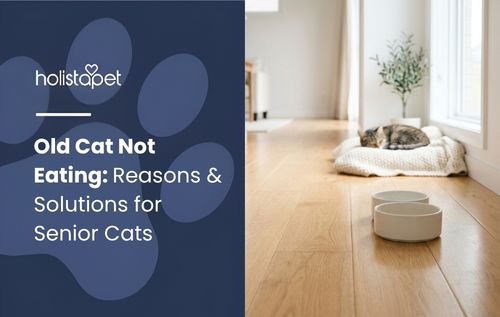
So, your old cat's not eating? That can be a real worry for pet owners!
If a senior cat suddenly loses interest in food, it’s a signal you shouldn't ignore. Identifying the underlying cause and knowing how to intervene is essential for your aging pet’s well-being. Here is everything you need to know to address your senior cat's loss of appetite and get them eating again. For general cat owner tips on keeping aging felines healthy, our cat care blog is a helpful starting point.
Why Is My Senior Cat Not Eating?

If your senior cat isn't eating, it could be due to several reasons. Older felines experience changes in their bodies that affect their eating habits.
From dental issues to more serious health problems, pinpointing the cause can help guide you toward a solution. Let's take a closer look at why your older pet might be skipping meals.
Medical Causes for Appetite Loss in Older Cats
Several health conditions can contribute to appetite loss in senior cats. Many of these issues require veterinary diagnosis and management.
- Kidney Disease – One of the most common conditions in older cats, kidney problems can lead to nausea, reduced appetite, and weight loss. The Cornell Feline Health Center offers comprehensive resources on diagnosing and managing kidney disease in cats.
- Liver Disease – Liver dysfunction may affect metabolism and digestion, often resulting in decreased interest in food.
- Inflammatory Bowel Disease (IBD) – Chronic inflammation in the digestive tract can cause discomfort, poor nutrient absorption, and reduced appetite.
- Dental Disease – Oral pain from gum disease or tooth problems can make chewing difficult, leading cats to avoid eating altogether.
- Hormonal or Metabolic Disorders – Conditions such as hyperthyroidism or diabetes may also affect appetite and eating patterns.
Behavioral and Environmental Factors
If your cat won't eat, it may also be due to changes in their environment or routine. Behavioral and environmental factors can play a big role in their eating routine. Let's talk about what might be affecting your cat's appetite.
Stress or Changes in Routine

Any shift in your cat's routine can cause them stress. This could include moving to a new home, changes in their feeding schedule, or even the introduction of new pets or people into the household.
Many cats become more sensitive to these changes as they age, which may lead them to eat less or avoid food altogether. To help, keep your cat's environment as stable as possible and provide plenty of quiet, safe spaces where they can relax and feel secure. Learning how to socialize a cat through gradual, low-stress interactions can also help anxious senior cats feel more settled during routine changes.
Food Preferences or Aversions
As cats age, their senses of taste and smell decline, which can lead to food aversions or preferences. Your senior pet may suddenly refuse foods they once loved, or eat only certain foods with specific flavors or textures.
To help spark their appetite, try offering a variety of food types, including wet food. Also, experiment with different flavors or even slightly warm the food to bring out its scent. All these can encourage picky kitties to start eating again.
Signs That Appetite Loss May Be Serious
While occasional appetite changes can happen, persistent or sudden refusal to eat may indicate a more serious issue.
Seek veterinary care if you notice:
- Rapid or unexplained weight loss
- Persistent lethargy or weakness
- Vomiting or diarrhea alongside appetite loss
Additional Symptoms to Monitor
Appetite loss may occur alongside other symptoms that suggest underlying illness:
- Increased thirst (possible kidney disease or diabetes)
- Changes in urination or stool (possible urinary or digestive issues) a cat poop chart can help you identify what is normal versus what warrants veterinary attention.
- Unusual breathing patterns (possible heart or respiratory conditions)
Tips To Encourage an Older Cat To Eat
There are several ways to support your senior cat's diet and make sure they receive adequate nutrition. You can experiment with different food textures and temperatures, provide nutrient-dense options, add yummy toppings, and use natural products to support their appetite and digestion. Let's discuss these nutrition strategies further in the next sections.
Adjusting Food Texture and Temperature
Senior cats can be more sensitive to the texture and temperature of their food, which can impact their appetite. Try giving wet food or slightly warming up dry kibble to enhance its smell and make it more inviting.
Offering High-Calorie, Nutrient-Dense Foods
Offering high-calorie, nutrient-dense foods can help your cat get the nutrition they need, even if they're eating less. Look for foods specially formulated for senior felines, packed with vitamins, minerals, and healthy fats to help maintain their energy levels.
Adding Enticing Toppings to Food
Sprinkle a little bit of tuna juice, chicken broth, or even freeze-dried meat on top of your cat's regular food to make it more tempting. The extra flavor can help grab their attention and encourage them to eat.
Supportive Care Options for Senior Cats
Appetite and Digestion Support
Some natural supplements and digestive support products may help maintain comfort and appetite in older cats.
Herbal options like ginger or slippery elm are sometimes used to support digestion and ease mild stomach discomfort.
CBD and Senior Cats

CBD is sometimes explored for senior cats experiencing stress, discomfort, or reduced appetite. Options like a dropper oil supplement for cats or non-GMO CBD cat treats are among the formats pet owners commonly consider. For safety context, the PubMed: Pharmacokinetics and Safety of CBD in Cats study provides useful pharmacological background.
It may help promote calm behavior in some cats, which can indirectly support normal eating patterns. However:
- Research in cats is still limited
- Responses vary between individuals
- It should not replace veterinary treatment
Always consult a veterinarian before introducing any supplement.
Natural Products To Support Appetite and Digestion
There are several natural products available that can help support your senior cat's appetite and digestion. Herbal supplements like ginger or slippery elm can soothe the digestive tract and help with food aversions. Some pet owners also explore premium CBD oil for cats as part of a broader natural support routine for senior feline wellness.
Final Thoughts
A senior cat not eating should always be taken seriously. While some causes are temporary or mild, others may indicate underlying health conditions that require treatment.
The best approach is to monitor symptoms closely, adjust feeding strategies, and seek veterinary care when needed. Early intervention can significantly improve outcomes and quality of life.
FAQs
What Causes an Old Cat Not to Eat?
An old cat not eating can be concerning because appetite loss is often linked to underlying health issues. While some older cats naturally eat less as they age, a significant drop in food intake may indicate kidney disease, liver disease, dental disease, or even stress-related changes. If your elderly cat suddenly stops eating, monitor their behavior closely and seek veterinary attention if the issue persists.
Is It Normal for Senior Cats to Have a Reduced Appetite?
A mild reduction in appetite is common in senior cats, as aging can affect their sense of smell and taste. However, a noticeable decrease in your cat's appetite, especially when accompanied by weight loss, other symptoms, or a decreased interest in favorite foods, should not be ignored. Changes in appetite may be among the earliest warning signs of an illness.
What Medical Conditions Can Cause a Cat Not to Eat?
Several health issues can cause a cat to stop eating, including kidney disease, liver disease, inflammatory bowel disease, oral tumors, and hormonal imbalances affecting thyroid hormone levels. Problems within the gastrointestinal tract can also contribute to digestive upset and a lack of appetite. A veterinary examination is often necessary to identify the root cause.
Can Dental Problems Make an Older Cat Refuse Food?
Yes. Dental disease, dental pain, oral pain, and conditions such as tooth resorption can make chewing uncomfortable. If your cat refuses food, especially dry kibble, it may be due to mouth pain. Some cats may approach their food bowls but walk away without eating because chewing hurts.
Why Is My Cat Suddenly Not Eating but Still Drinking Water?
If your cat suddenly stops eating but continues drinking water, the cause could range from mild nasal congestion to more serious conditions such as kidney disease or liver disease. While hydration is important, a cat that refuses food for more than 24 hours should receive veterinary attention to prevent complications.
How Can I Encourage My Older Cat to Eat?
To encourage eating, try offering wet food, serving fresh food, or warming food slightly to enhance its aroma. Many sensitive cats respond better to stronger-smelling food. You can also offer small portions throughout the day instead of large meals. Adjusting the feeding schedule may help some cats regain interest in food.
Is Wet Food Better Than Dry Food for Senior Cats?
For many older cats, wet food is easier to chew and digest than dry food or dry kibble. The added moisture may also support hydration. However, the best cat food depends on your cat's specific health needs and preferences. Some food cats enjoy may not appeal to others, so experimentation is often necessary.
Can Human Baby Food Help a Cat That Won't Eat?
Plain human baby food, without onion, garlic, or other harmful seasonings, may be used temporarily to encourage a cat to eat. However, it should not replace a complete feline diet. If your cat continues to refuse regular food, please consult your veterinarian for proper guidance.






Leave a comment
All comments are moderated before being published.
This site is protected by hCaptcha and the hCaptcha Privacy Policy and Terms of Service apply.