

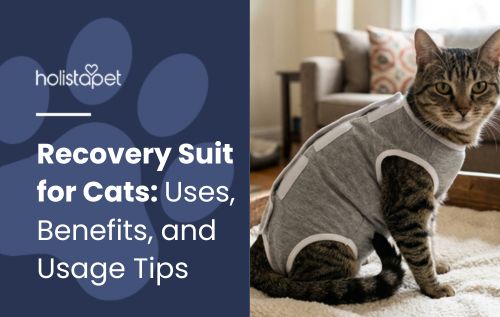
Many pet owners choose a cat recovery suit because it helps cats move, rest, and groom more comfortably after surgery or medical treatment and those exploring cat care support will find a range of resources to help through every stage of recovery. It provides full-body coverage that protects healing areas while offering a softer alternative to traditional cones.
What is a Cat Recovery Suit?
 A cat recovery suit is a soft garment designed to protect a cat after surgery, injury, or medical treatment. It helps prevent licking, scratching, or biting while allowing more freedom of movement compared to an Elizabethan collar, especially when paired with supportive wellness options like hemp oil for cats during recovery.
When Should You Use a Cat Recovery Suit?
A recovery suit for cats helps protect healing areas after surgery, skin treatment, or injuries while keeping a cat more comfortable than a cone.
|
Situation |
Purpose |
Key Benefit |
|
Spay or neuter surgery |
Protect sutures |
Better comfort |
|
Skin irritation |
Reduce scratching |
Protect healing skin |
|
Abdominal treatment |
Cover surgical area |
Keeps dressings secure |
|
Cone intolerance |
Replace collar |
Reduces stress and improves mobility |
After Spay or Neuter Surgery
A recovery suit provides full-body coverage to protect surgical sites while allowing natural movement during recovery.
-
Covers sensitive areas after surgery
-
Helps a cat rest more comfortably
-
Allows easier movement than a cone
The American Animal Hospital Association states that preventing licking lowers the risk of infection during recovery.
During Skin Irritation or Allergies
Some cats scratch or overgroom irritated skin. A recovery suit adds a protective layer to reduce direct contact.
-
Helps reduce scratching behavior
-
Protects healing or inflamed areas
-
Suitable for short-term recovery support
After Abdominal Procedures
Recovery suits are often used to protect abdominal incisions while allowing normal movement.
-
Keeps surgical dressings in place
-
Covers the stomach area securely
-
Supports mobility during healing
For Cats That Struggle With a Collar
Some cats experience stress or restricted movement when wearing a cone. A recovery suit offers a more comfortable alternative.
-
Allows easier eating and resting
-
Reduces neck restriction
-
Helps support calmer behavior indoors owners dealing with a restless cat may find a recovery suit especially beneficial during this period.
A study published in the Journal of Feline Medicine and Surgery found that restrictive recovery devices may increase stress behaviors in cats after medical treatment.
Related Post: How to Put a Cone on a Cat: Sizing, Adjustment, & Comfort
What are the Benefits of Using Recovery Suits?
 A recovery suit supports healing while improving comfort and mobility during recovery.
-
Improved mobility without neck restriction
-
Reduced stress compared to cone-style collars
-
Cleaner healing area: Helps protect wounds from dirt and fur
-
Gentle protection: Soft fabric avoids hard plastic discomfort
-
Secure coverage: Helps prevent access to surgical sites
-
Practical design: Supports litter box use and daily activities
-
Multiple sizes: Available for kittens and adult cats
Related Post: Does Neutering a Cat Calm Them Down? Key Behavioral Changes
What to Look for in a Cat Recovery Suit?
Choosing the right suit ensures comfort and effective protection during recovery.
Soft, Breathable Fabric
Lightweight materials reduce irritation and overheating.
-
Cotton or stretch fabric recommended
-
Breathable design for comfort
-
Smooth seams to avoid skin friction
The American Society for the Prevention of Cruelty to Animals advises keeping post surgery coverings clean and comfortable to help reduce stress during healing similar principles apply when crate training a cat during a recovery period.
Proper Size and Fit
A secure fit prevents slipping while allowing movement.
-
Measure chest, neck, and body length
-
Follow sizing charts carefully
-
Ensure tail opening fits correctly
-
Avoid overly tight designs
Easy Fasten Design
Cats rarely stay still for long during recovery, so simple closures matter.
-
Look for snaps, loops, or adjustable fasten points
-
Choose designs that allow quick bathroom breaks
-
Avoid complicated straps that twist easily
Full Surgical Coverage
A cat recovery suit should fully protect the affected area while still allowing movement.
-
Covers sutures and healing skin
-
Helps protect lower stomach areas after surgery
-
Some styles include an extra layer for added coverage
Freedom to Move Naturally
A good suit should allow normal daily movement around the house.
-
Allows stretching and resting comfortably
-
Helps cats climb or walk with less restriction
-
Reduces rubbing around the front legs and neck
The International Cat Care organization notes that stress reduction supports healthier recovery behavior in cats after medical procedures.
Easy Cleaning and Daily Use
Recovery suits need regular cleaning during healing.
-
Choose machine washable fabric
-
Check if the product dries quickly
-
Helpful for cats that need extended wear
Vet Approved Design Features
Some recovery suits include medical focused details recommended by vets.
-
Secure opening placement for litter box use
-
Flexible fabric near the stomach area
-
Strong stitching around active movement zones
-
Designs that help protect bandages without a cone or collar
How Do I Help My Cat Put on a Recovery Suit?
 Helping a cat wear a recovery suit becomes easier with calm handling, proper timing, and a comfortable fit.
Start in a Quiet Space
Choose a calm room before putting the recovery suit on your cat. Loud sounds or sudden movement can increase stress after surgery.
Keep the suit nearby first so the cat can smell and inspect it before wearing it.
Put the Front Legs in First
Most recovery suit designs work best when the front legs go in before pulling the fabric across the body.
-
Support the chest gently
-
Avoid pulling near sutures
-
Keep the tail opening aligned properly
-
Check that the neck area does not feel tight
Use Slow and Gentle Movements
Fast movements can make a cat panic during recovery.
-
Speak softly during the process
-
Pause if the cat becomes tense
-
Fasten closures one section at a time
-
Allow short breaks if needed
The American Association of Feline Practitioners recommends low stress handling techniques to help cats stay calmer during medical care and recovery.
Reward Calm Behavior
Positive reinforcement helps many cats adjust to wearing a suit.
-
Offer treats after putting it on
-
Give gentle affection if the cat enjoys touch
-
Let the cat walk around indoors to adjust naturally
-
Monitor movement for the first few minutes
Check the Fit Throughout the Day
A recovery suit should stay secure without rubbing the skin.
-
Check for bunching near the legs
-
Make sure the cat can use the litter box comfortably
-
Look for signs of irritation around the opening areas
-
Remove and clean the shirt regularly if needed
Support Comfort During Recovery

Recovery periods can sometimes be stressful for cats. Maintaining a calm environment, consistent routine, and gentle handling can support comfort during healing.
Some pet owners also use veterinarian-guided calming routines or wellness products such as calming oil drops for cats or CBD wellness treats for cats as part of a broader recovery plan.
Always consult a veterinarian before introducing any additional support during post-surgical care; the Cornell Feline Health Center is a trusted resource for evidence-based guidance on feline recovery and wellness. For those researching the science behind feline wellness products, PubMed: Pharmacokinetics and Safety of CBD in Cats offers peer-reviewed insight into how CBD is processed in cats.
Frequently Asked Questions
Can a cat sleep comfortably in a recovery suit?
Yes, many cats sleep more comfortably in a recovery suit than in a cone. The soft fabric allows easier resting positions while keeping the body covered during healing.
How long should a cat wear a recovery suit after surgery?
Most cats wear a recovery suit for seven to fourteen days after surgery; during this time, some owners also explore a CBD tincture for felines to help support calm behavior under veterinary guidance. A vet should confirm the exact timeline based on the healing progress and the type of procedure.
Can cats use the litter box while wearing a recovery suit?
Yes, most cat recovery suit designs allow normal litter box use. Owners should still check the suit daily to make sure the fabric stays clean and dry.
Should a recovery suit fit tightly on a cat?
No, the suit should feel snug without restricting movement. A tight fit can irritate the skin and make the cat uncomfortable during recovery.
Can a kitten wear a recovery suit?
Yes, many brands make recovery suit options for kitten sizes. Proper measurements help ensure the suit stays secure without limiting movement.
How do I know if the recovery suit bothers my cat?
Cats often show discomfort through excessive biting, hiding, stiff walking, or nonstop grooming attempts. Check the fit, fabric, and fasten points if these behaviors appear.
Can a recovery suit replace bandages?
No, a recovery suit does not replace medical bandages or wound care instructions from a vet. The suit adds an extra layer of protection over the healing area.
How often should I wash a cat recovery suit?
Wash the suit whenever it becomes dirty, damp, or covered with fur. Keeping the product clean helps protect sensitive skin and healing areas.






Leave a comment
All comments are moderated before being published.
This site is protected by hCaptcha and the hCaptcha Privacy Policy and Terms of Service apply.