

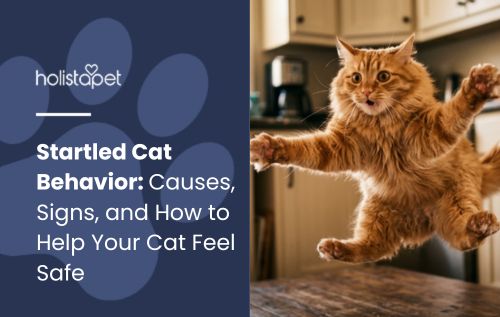
The life of a startled cat can feel full of sudden surprises. One pop, crash, or sneeze, and a relaxed kitty may quickly dart away or hide. This reaction might seem dramatic, but it is actually a natural survival instinct. Cats are highly sensitive animals, and their nervous system is designed to respond quickly to potential threats.
If your cat tends to run and hide after loud noises, this is their way of seeking safety and staying informed with cat wellness tips can help you respond with more confidence. It simply means they are reacting to something unexpected. With the right environment and care, most cats can gradually become more confident in handling everyday sounds and changes.
Understanding the Startled Cat
 That lightning-fast jump or sudden puffed-up tail is pure reflex. When a cat gets surprised, its body flips into defense mode in a split second. Muscles tighten, pupils widen, and every sense locks onto whatever caused the scare. It's the feline version of a built-in alarm system, always on standby.
Cats tend to react this way because their instincts are still tuned for survival. Even though your living room doesn't have predators, their brains can't tell the difference between a falling book and a real threat. That's why loud noises and sudden movements set them off so easily.
Common Causes of Startled Reactions
Some scares are obvious, while others sneak up on our furry friends. Understanding what triggers those sudden jolts can help you reduce jumpy moments. Here's what to watch for:
-
Loud Noises and Sudden Sounds. Thunder, fireworks, and clattering dishes can send cats running for cover. Their sharp hearing makes these sounds feel much closer and more intense.
-
Unfamiliar People, Pets, or Environments. New faces, strange scents, and visiting animals can make a cat feel unsafe until they adjust.
-
Sudden Movements or Recent Changes in Routine. Quick gestures or skipped feeding times can throw felines off. They thrive on consistency, and surprises can shake their sense of control.
-
Age-Related Sensory Decline (Vision or Hearing Loss). Older cats may be more easily startled as their senses fade. Shadows and vibrations might confuse them.
-
Underlying Emotional or Health Issues. Challenges like physical discomfort, swelling, and nervous tension can heighten reactivity and if you've ever wondered whether do cats get headaches, the answer may surprise you. A quick vet visit can help rule out medical concerns.
Signs Your Cat Is Feeling Startled or Fearful
A fearful cat often tells the story with their body. Some freeze, others flee, and some puff up to appear larger. Their movements become tight and guarded, with twitching tails, flattened ears, and wide, alert eyes scanning for danger.
They may also retreat to hiding spots and avoid interaction until they feel safe again.
Body Language To Watch For
-
Flattened Ears. Ears pressed back mean your cat feels uneasy or ready to defend itself.
-
Dilated Pupils. Wide eyes signal surprise or alertness, especially after a sudden noise.
-
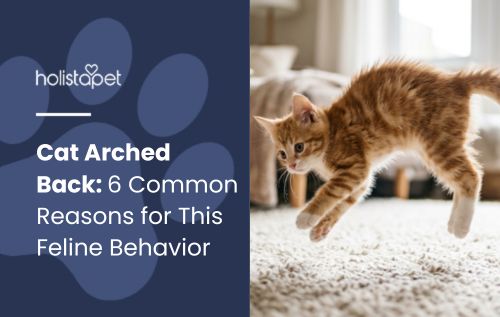
Arched Back. A classic "Halloween cat" pose that makes them appear bigger to threats.
-
Tucked Tail. A tail drawn low or under the body shows uncertainty or nervousness.
-
Puffed Fur. Raised hair along the spine and tail is an instant reaction to fear or shock.
-
Crouched Posture. Staying low to the ground helps them prepare to run or pounce if needed.
Behavioral Clues of Anxiety or Fear
-
Hiding More Often. Retreating under furniture or into tight spaces is a classic sign of unease.
-
Avoiding Touch or Interaction. A cat that once loved attention may pull away when feeling tense.
-
Over-Grooming. Repeated licking or biting at fur can signal worry or irritation.
-
Changes in Appetite. Eating less and ignoring treats may happen when a cat feels unsettled.
-
Restlessness or Pacing. Constant movement or circling shows they can't fully relax.
-
Vocal Changes. Sudden bursts of meowing, growling, or silence reveal emotional tension.
-
If several of these signs appear together and persist, review these warning signs your cat is crying for help to determine whether professional support is needed.
How To Help a Startled Cat Feel Safer
Even the jumpiest cat can relax with the right setup. Building a sense of safety starts with understanding what helps them feel in control. A calm environment gives them the space to recover from sudden scares and rebuild confidence. Here's what you can do to help:
-
Create a Quiet, Safe Space. Give your cat a cozy room or corner with soft lighting and familiar smells where they can retreat.
-
Keep a Consistent Routine. Regular feeding times, play sessions, and sleep patterns help them predict what's next.
-
Use Gentle Voices and Calm Movements. Sudden gestures can spook a wary feline. Speak softly and move smoothly to earn their trust.
-
Reinforce Calm Behavior With Treats and Play. Reward relaxed moments with tasty treats and light play to encourage positive reactions.
-
Try Natural Calming Aids and Remedies. Options like calming herbs, pheromone diffusers, and broad spectrum CBD oil for cats may support relaxation and balance.
Calming Support and Emotional Balance

Some calming support options may help support relaxation during stressful situations. These approaches are not intended to diagnose or treat conditions but may be included in a broader care routine focused on comfort.
CBD (cannabidiol)-based pet products are sometimes used in wellness routines and are discussed for their interaction with the body's endocannabinoid system, which plays a role in maintaining balance a relationship explored in this PubMed: Pharmacokinetics and Safety of CBD in Cats study. These should always be used alongside environmental and behavioral strategies.
A veterinarian should be consulted before introducing any supplement into a cat's routine; the Cornell Feline Health Center is a trusted resource for guidance on feline health decisions.
Product-Based Support Considerations
Some pet wellness products, including hemp-derived CBD options, are positioned as part of general supportive care routines that include proper nutrition, enrichment, and consistency.
This oil supplement for anxious cats is often described as plant-based and hemp-derived and may vary in formulation and testing depending on the manufacturer. Some cat owners also incorporate broad spectrum cat treats into daily routines as an easy and palatable way to offer hemp-based support.
These products should not replace veterinary care and should be used responsibly.
FAQs
Why is my cat so easily startled all the time?
Some felines are more sensitive to their surroundings than others. Their sharp hearing and quick reflexes make them react to every creak and rustle. A spooked cat might seem on edge, but in truth, it's their instinct kicking in to stay alert and safe.
Should I comfort my cat right after they get startled?
Yes, but do it gently and on their terms. A stunned cat needs a moment to assess whether they're safe before they can relax. Sudden cuddles or reaching too quickly can make them even more uneasy. Give them space first, then offer calm reassurance once they seem ready.
Can I train my cat to be less jumpy or scared?
You can’t remove instinct, but gradual exposure and positive reinforcement can help build confidence.
Final Thoughts
A jumpy cat needs patience, consistency, and a calm environment. With time, even a highly sensitive cat can become more secure in its surroundings.
Natural calming support may be included in broader wellness routines alongside environmental and behavioral strategies.







Leave a comment
All comments are moderated before being published.
This site is protected by hCaptcha and the hCaptcha Privacy Policy and Terms of Service apply.