

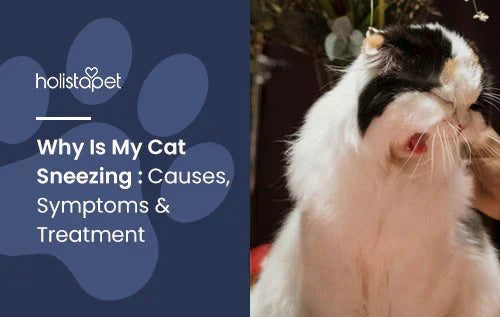
Sneezing in cats is a normal reflex that helps clear irritants from the nasal passages. An occasional sneeze is usually not a cause for concern. However, frequent sneezing can sometimes signal a health concern.
In many cases, sneezing may be linked to environmental factors such as dust, perfume, smoke, cleaning products, or scented candles. Cats may also sneeze due to allergies or infections affecting the upper respiratory system.
Observing additional symptoms can help identify whether the condition may be mild or requires veterinary evaluation and browsing cat health articles can help you stay informed on other common feline concerns.
Why Does My Cat Keep Sneezing?
Occasional sneezing is common, but repeated episodes may have different possible causes, including:
Environmental Irritants
Cats may sneeze when exposed to irritants such as perfume, air fresheners, smoke, cleaning sprays, or dust. These substances can temporarily irritate the nasal passages.
Allergies
Some cats may develop allergic reactions to pollen, mold, dust, or certain materials in their environment. Food sensitivities or certain household products may also contribute in some cases.
Feline Herpesvirus (FHV-1)
Feline herpesvirus is a common viral infection in cats that may cause respiratory symptoms. It can remain dormant and reactivate during periods of stress including situations involving a startled cat leading to sneezing and nasal discharge.
Feline Calicivirus
This is a contagious viral infection that may cause upper respiratory symptoms, including sneezing, nasal discharge, and eye irritation. In some cases, it may also affect the mouth and general health.
Chlamydia Infection
Chlamydia in cats may lead to respiratory symptoms such as sneezing, nasal discharge, and eye inflammation. It is typically associated with upper respiratory infections.
Mycoplasma Infection
Mycoplasma infections can affect the respiratory system in some cats. In some cases, it may be associated with more serious systemic effects, especially in young or older cats.
Feline Infectious Peritonitis (FIP)
FIP is a complex viral disease associated with certain strains of feline coronavirus. While it can affect multiple body systems, respiratory signs may occasionally be present.
Bordetella Infection
Bordetella is a bacterial infection that can contribute to respiratory illness in cats, especially in environments with multiple animals such as shelters or boarding facilities.
Is Sneezing Normal for Cats?
 Yes, occasional sneezing is generally normal in cats. It often occurs when small particles such as dust or allergens enter the nasal passages.
However, frequent sneezing may suggest an underlying issue, such as infection, allergies, or other respiratory conditions. Veterinarians may perform diagnostic tests such as nasal swabs or physical examinations to help determine the cause, as outlined by the Cornell Feline Health Center in their guidance on feline respiratory health.
When Is Sneezing Not Normal?
 While occasional sneezing is normal, frequent sneezing paired with other symptoms may require closer attention.
Temporary sneezing may occur due to exposure to irritants in the environment. If the sneezing continues even after removing potential triggers, further evaluation may be needed.
Possible irritants include:
-
Perfume or cologne
-
Air fresheners
-
Candles or smoke
-
Cleaning sprays
Reducing exposure to these substances may help determine whether environmental factors are contributing.
Symptoms That May Accompany Abnormal Sneezing
Sneezing associated with other symptoms may suggest an underlying health issue. These may include:
-
Nasal or eye discharge (clear, yellow, or green)
-
Reduced appetite
-
Lethargy or fatigue
-
Coughing or wheezing
-
Drooling
-
Oral ulcers
-
Labored breathing
-
Swollen third eyelid
-
Changes in coat condition
-
Behavioral changes such as reduced activity
The presence of multiple symptoms may indicate a respiratory infection or other medical condition that requires veterinary assessment, and some pet owners have also explored whether cbd oil for felines peeing and other stress-related issues share overlapping triggers with chronic sneezing episodes.
When to Consult a Veterinarian
A veterinarian may be consulted if sneezing becomes frequent, persistent, or is accompanied by other symptoms.
It may also be helpful to observe whether symptoms improve after reducing exposure to potential irritants in the environment.
Veterinary evaluation may be considered if the cat shows:
-
Ongoing sneezing that does not improve
-
Nasal discharge that becomes thick or discolored
-
Coughing, wheezing, or breathing difficulty
-
Loss of appetite or noticeable lethargy
-
Blood in nasal discharge
Treatment options vary depending on the underlying cause and may include supportive care, medication, or natural options like vet-approved CBD oil for cats to help manage stress-related symptom flare-ups, based on veterinary assessment.
Monitoring environmental triggers and observing symptom patterns can help identify whether the cause is mild or requires veterinary care.
Final Thoughts
Occasional sneezing in cats is usually part of a normal response to minor irritants. However, repeated or persistent sneezing, especially when combined with other symptoms, may indicate an underlying condition that requires attention.
Monitoring environmental triggers and observing symptom patterns can help identify whether the cause is mild or requires veterinary care and products like all-natural CBD treats for cats or a natural oil supplement for cats may offer additional comfort during recovery, with safety data available via PubMed: Pharmacokinetics and Safety of CBD in Cats.
FAQs
1. Is occasional sneezing normal in cats?
Yes. Occasional sneezing is typically normal and may occur due to dust, pollen, or other mild irritants in the environment.
2. What causes persistent sneezing in cats?
Persistent sneezing can sometimes result from infections, allergies, dental issues, nasal irritants, or foreign objects in the nasal passages.
3. When should I be concerned about my cat sneezing?
Concern may be warranted if sneezing is frequent and accompanied by symptoms such as discharge, appetite loss, lethargy, or breathing changes.
4. Can upper respiratory infections cause sneezing?
Yes. Upper respiratory infections are a common cause of sneezing in cats and may be contagious, especially in multi-cat environments.
5. Can allergies cause sneezing in cats?
Yes. Allergies to pollen, dust, mold, or environmental substances may contribute to sneezing in some cats.







Leave a comment
All comments are moderated before being published.
This site is protected by hCaptcha and the hCaptcha Privacy Policy and Terms of Service apply.