

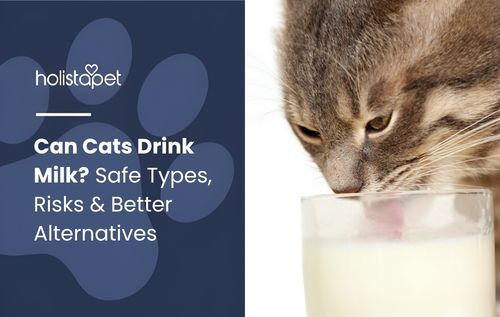
Most cats should not drink milk regularly. After kittens are weaned from their mother’s milk, many cats produce less lactase, the enzyme needed to digest lactose properly. As a result, cow’s milk may lead to stomach irritation, bloating, diarrhea, or other digestive issues.
Can Cats Drink Milk?
Most cats should not drink milk regularly. After kittens are weaned, many produce less lactase, the enzyme needed to properly digest lactose. As a result, cow’s milk may cause digestive issues such as bloating, diarrhea, or stomach discomfort.
Cats can drink milk in small amounts, but many adult cats struggle to digest lactose after weaning.
According to the Merck Veterinary Manual, lactose intolerance is common in adult cats due to reduced lactase production. This increases the likelihood of digestive upset after consuming dairy products.
While some cats may tolerate small amounts occasionally, fresh water remains the safest and most appropriate daily hydration source. For more feeding recommendations and dietary questions, browse our complete collection of cat nutrition guides.
Which Milk Types Can Cats Drink?

Some milk options are easier for cats to tolerate than others. Lactose-free milk and kitten-specific formulas are generally gentler on digestion, while regular cow’s milk is more likely to cause stomach discomfort in lactose-intolerant cats.
|
Milk Type |
Safe for Cats |
Benefit |
Possible Risk |
Best For |
|
Lactose-free milk |
Yes, small amounts |
Easier digestion |
Extra calories |
Occasional adult treat |
|
Goat milk |
Sometimes |
Lower lactose content |
Mild GI upset |
Some sensitive cats |
|
Kitten formula |
Yes |
Nutritionally complete |
None when used correctly |
Growing kittens |
|
Cow's milk |
No (generally) |
Palatable taste |
Diarrhea, bloating |
Not recommended |
|
Almond milk |
Not recommended |
Lactose-free |
Added sugar, low nutrition |
Avoid regularly |
Lactose-Free Milk
Lactose-free milk contains little to no lactose, making it easier for some cats to digest.
It may be offered as an occasional treat, but it should not replace water or a balanced diet. It still contains fat and calories, so moderation is important.
Goat Milk
Goat milk contains less lactose than cow’s milk, which may make it slightly easier for some cats to tolerate in small amounts.
Some veterinarians note (Dr. Karen Becker) that goat milk contains naturally occurring probiotics that may help support digestive balance in some animals.
However, it should still be offered sparingly and not as a dietary staple. Some owners exploring digestive support also research nutrients such as omega 3 for felines as part of a balanced nutrition plan.
Kitten-Specific Formula
Kittens require their mother’s milk or a properly formulated kitten milk replacer for healthy growth and development.
These formulas are designed to provide balanced nutrients, including the correct fat and protein levels needed during early development.
Once kittens are weaned, they should transition to solid kitten food and fresh water.
Almond Milk
Almond milk is lactose-free but offers no nutritional benefit for cats.
Some varieties may contain added sugar, flavors, or additives that can upset digestion. It is not recommended as a regular treat.
Fresh water remains the safest hydration source.
What are Good Alternatives for Feline Health?
Cats do not need milk for hydration or nutrition. Healthier alternatives include water, balanced cat food, CatSip, CatSure, and vet-approved supplements when necessary.
Fresh Water
Fresh water should always be a cat’s primary source of hydration.
Benefits include:
- Supports kidney and urinary tract health
- Helps maintain normal body function
- Reduces risk of dehydration
Some cats prefer running water, so fountains may help encourage drinking.
Wet Cat Food
Wet cat food is an excellent way to support hydration while providing balanced nutrition.
Benefits include:
- Supports fluid intake
- Promotes digestive health
- Provides high-quality protein
Suitable for both kittens and adult cats.
Bone Broth
Plain bone broth may be offered occasionally as a treat.
It may help encourage fluid intake in picky eaters, but it should always be:
- Low sodium
- Free from onion and garlic
- Free from seasonings
Probiotic Supplements
Probiotics may help support normal digestive function in some cats, especially during dietary changes or stress, and some owners also incorporate CBD treats for cats or broad spectrum oil drops for cats as part of a veterinarian-approved wellness routine.
A 2024 review from Pet Health Authority noted that probiotics may support the digestive function and healthy stool quality in cats during periods of stress or dietary changes.
Possible support includes:
- Digestive comfort
- Stool consistency
- Gut microbiome balance
However, results may vary, and supplements should be used under veterinary guidance.
Digestive Wellness Supplements for Cats
Some veterinarian-approved supplements may be used as part of a general wellness routine for cats with sensitive digestion.
They should be introduced gradually, and owners should consult a veterinarian if digestive symptoms continue. Some pet owners also explore products such as the best CBD oil for cats when discussing broader wellness support with their veterinarian.
Frequently Asked Questions

Can kittens drink regular milk?
No. Kittens should not drink regular cow’s milk because it may upset digestion and does not provide the proper nutrition they need. Mother’s milk or kitten-specific formula is the safer option for growing kittens.
Why do cats love milk so much?
Many cats are attracted to milk because of its smell, texture, and fat content. Some cats may also associate milk with positive feeding experiences from kittenhood.
Can cats drink milk every day?
No. Daily milk consumption may contribute to weight gain, stomach irritation, and digestive issues because of the fat and sugar content found in dairy products.
How can someone tell if a cat is lactose intolerant?
Common signs of lactose intolerance in cats include diarrhea, bloating, vomiting, gas, and stomach discomfort after drinking milk. Symptoms often appear within several hours.
Do cats need milk in their diet?
No. Cats do not need milk to stay healthy. Cats can obtain essential nutrients from balanced diets, and owners often ask whether foods such as can felines eat peas are appropriate additions to their cat’s meal plan. A balanced cat food diet and access to fresh water provide the nutrients and hydration most cats need.
Is warm milk good for a feline companion?
Some cats may enjoy warm milk because of its smell and temperature, but it does not provide significant health benefits. Lactose-free milk may be a safer occasional treat for cats with dairy sensitivity.






Leave a comment
All comments are moderated before being published.
This site is protected by hCaptcha and the hCaptcha Privacy Policy and Terms of Service apply.