

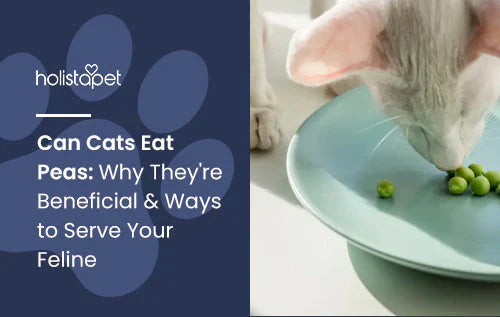
Cats are naturally curious, especially when food is involved. If a few peas fall on the kitchen floor while you’re cooking, your cat may quickly investigate them. This often leaves pet owners wondering: can cats eat peas safely?
The good news is that peas are generally safe for cats when served properly and in moderation. In fact, peas are commonly included in some commercial cat food formulas because they contain beneficial nutrients and fiber. However, there are still important guidelines to follow before adding peas to your cat’s diet.
Some pet owners also explore CBD oil products for cats as part of a balanced approach to supporting their cat's overall well-being.
Can Cats Eat Peas?

Yes, cats can eat peas in small amounts. Green peas, garden peas, snow peas, and sugar snap peas are generally considered safe for healthy cats when served plain and unseasoned.
Peas contain vitamins, minerals, fiber, and antioxidants that may help support overall wellness. While cats are obligate carnivores and require animal-based protein as the foundation of their diet, small portions of vegetables like peas can be offered occasionally as treats or meal toppers.
Many cat food products already include peas or pea flour as part of their ingredient list for broader cat diet advice on what ingredients to look for, our nutrition blog covers a range of helpful topics.
Related: Wet Food Vs Dry Cat Food: Which Option is Better for Cats?
Types of Peas Cats Can Eat

Several types of peas are considered safe for cats.
English Peas
Also called garden peas, English peas are the most common variety. The round peas inside the pod are edible, while the outer pod is typically too tough for cats to digest comfortably.
Snow Peas
Snow peas have flat pods and small seeds. Their pods are softer and edible, although it is still best to cut them into smaller pieces before serving them to cats.
Sugar Snap Peas
Sugar snap peas are a cross between snow peas and English peas. They have a crunchy texture and edible pods. If offered to cats, they should be cut into bite-sized pieces to reduce choking risk.
Benefits of Peas for Cats
When fed occasionally and in moderation, peas may provide several nutritional benefits for cats.
May Support Healthy Digestion
Peas contain dietary fiber, which may help support healthy digestion and regular bowel movements. Fiber may also help reduce occasional digestive discomfort.
Provides Nutrients and Antioxidants
Peas contain nutrients such as vitamin A, vitamin C, potassium, and iron. They also contain antioxidants that may help support overall cellular health.
Low-Calorie Treat Option
Peas are naturally low in calories, making them a lighter alternative to high-calorie treats. For cats that need weight management support, small amounts of peas may be a reasonable occasional snack option.
Important Feeding Tips

Although peas are generally safe, there are several precautions pet owners should keep in mind.
Avoid Seasonings and Additives
Cats should only eat plain peas. Avoid serving peas prepared with:
-
Salt
-
Garlic
-
Onion
-
Butter
-
Oils
-
Spicy seasonings
Garlic and onions are especially important to avoid because they are toxic to cats.
Limit Canned Peas
Canned peas often contain added sodium and preservatives that may not be suitable for cats. Fresh or frozen peas are usually the better option.
Serve Small Portions
Peas should only be given as an occasional treat and not as a meal replacement. Too many vegetables may upset a cat’s stomach or interfere with a balanced diet.
Monitor for Digestive Upset
Whenever introducing a new food, start with a very small amount and monitor your cat for vomiting, diarrhea, or signs of digestive discomfort VCA: Diarrhea in Cats and Cornell: Feline Diarrhea both offer helpful guidance on when symptoms warrant veterinary attention.
How To Serve Peas to Cats?
Peas can be prepared in several simple ways for cats.
Cooked Peas
Lightly cooked or steamed peas are often easiest for cats to chew and digest. Make sure they are soft and served plain.
Fresh Peas
Fresh peas can be offered raw if they are soft and small enough to chew safely.
Frozen Peas
Frozen peas should be thawed before serving. Avoid giving hard frozen peas that may present a choking hazard.
Mixed Into Meals
Some cats may enjoy peas mixed into wet cat food in very small amounts. Owners looking for other topping options may also want to consider soft cat treats as a complement to their cat's regular meals.
Vegetables Cats May Also Enjoy
In addition to peas, some cats may tolerate other vegetables in moderation. It is also worth understanding what cats should avoid entirely for example, whether cats can safely eat dog food is a common question that highlights why species-appropriate nutrition matters.
Carrots
Cooked carrots contain vitamin A and fiber. They should always be softened and cut into small pieces.
Broccoli
Broccoli contains antioxidants and fiber and may be offered occasionally when cooked plain.
Zucchini
Zucchini is low in calories and contains beneficial nutrients such as potassium and magnesium.
Winter Squash
Winter squash contains fiber and may help support digestive regularity when served cooked and plain.
CBD Options for Cats

Some pet owners include CBD products in their pet wellness routine. CBD, or cannabidiol, is a naturally occurring compound found in hemp plants.
Products like hemp extract drops for cats and cat treats with CBD are formulated specifically for feline wellness and may help support relaxation when used appropriately. If considering these options, always follow the manufacturer's feeding guidelines carefully.
Final Thoughts - Can Cats Eat Peas?
Cats can safely eat peas when they are served plain, properly prepared, and offered in moderation. Peas may provide fiber, vitamins, and a low-calorie snack option for some cats.
However, peas should never replace the animal-based protein cats need for a balanced diet. The safest approach is to offer peas occasionally as a treat alongside a complete and nutritionally balanced cat food.
As with any dietary change, consult your veterinarian if you have concerns about introducing new foods into your cat’s routine.
FAQs About Cats Eating Peas
1. Can cats eat peas safely?
Yes, cats can eat peas safely in small amounts when they are plain and properly prepared. Safe varieties include green peas, snow peas, and sugar snap peas.
2. Are peas good for cats?
Peas contain fiber, vitamins, and antioxidants that may support overall wellness. However, they should only be offered occasionally because cats primarily require animal protein.
3. How many peas can I feed my cat?
Start with 1–3 peas and monitor your cat for digestive upset. Small portions are best.
4. Can cats eat cooked or frozen peas?
Yes, cats can eat cooked or thawed frozen peas as long as they are soft, plain, and free from seasonings or additives.
5. Can cats eat other vegetables?
Some cats may tolerate vegetables such as carrots, broccoli, zucchini, and squash in moderation. Always serve vegetables plain and in small amounts.






Leave a comment
All comments are moderated before being published.
This site is protected by hCaptcha and the hCaptcha Privacy Policy and Terms of Service apply.