

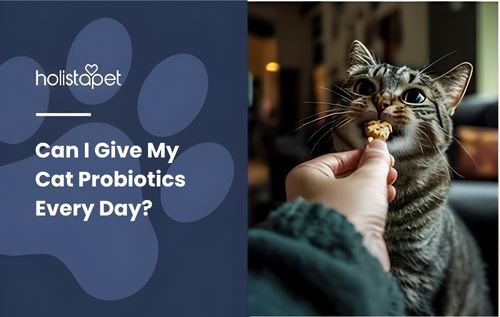
Cats can take probiotics every day in many cases, and some pet owners also explore options like cbd oil for cats daily use as part of a broader wellness routine, but the decision depends on the cat’s digestive health, diet, and any underlying health concerns. Daily use helps maintain microbiome balance and supports stable gastrointestinal function, but incorrect use can trigger digestive upset.
Proper use of probiotics for cats plays a key role in supporting overall health and avoiding problems.
Can My Cat Have Probiotics Every Day?

Yes, cats can have probiotics every day. Daily probiotic use stabilizes intestinal bacteria, improves stool consistency, and supports efficient nutrient absorption. Many cats benefit from consistent intake, especially those dealing with digestive issues or recovering from antibiotic treatment.
A veterinarian should still guide regular use, since some cats with serious underlying health concerns or chronic diseases may require a different plan.
How Do I Safely Give Probiotics to My Cat?
Giving probiotics to a cat requires the right form, proper dosage, and a method that fits the feline friend’s routine. Safe use supports digestive health and avoids digestive upset.
|
Probiotic Form |
Best For |
Key Benefit |
Usage Tip |
|
Powder |
Daily gut maintenance |
Easy mixing with wet food |
Measure based on body weight |
|
Soft Chews |
Picky eaters |
Treat-style delivery improves compliance |
Avoid formulas with artificial fillers |
|
Capsules |
Targeted digestive support |
Often contain higher CFU concentration |
Open capsule and mix with food if needed |
Mix Probiotic Powder with Cat Food
Many pet owners choose this method for daily use. A probiotic powder blends easily into wet cat food and supports the cat’s digestive system without stress.
- Use the recommended dosage based on weight
- Mix thoroughly to avoid uneven intake
- Choose formulas containing clinically studied feline probiotic strains such as Enterococcus faecium SF68, Lactobacillus acidophilus, or Bifidobacterium animalis, because these strains support intestinal balance and stool consistency in cats.
- Monitor for changes in healthy feces or loose stools
Use Probiotic Chews as Treats
This option works well for picky eaters, especially when using flavorful hemp treats for cats designed for feline wellness support. Probiotic chews offer a simple way to support gut health while treating the cat.
- Follow serving guidelines to avoid overuse
- Look for products with beneficial bacteria and lactic acid based strains
- Ensure the chews suit the cat’s diet and do not cause an upset stomach
- Avoid products made for dog probiotics or human probiotics
Add Probiotics During Antibiotic Treatment
Antibiotic therapy can disrupt the cat’s gut bacteria. Adding probiotics helps restore healthy bacteria and reduce digestive issues.
- Give probiotics a few hours apart from antibiotics
- Focus on strains such as Lactobacillus acidophilus and Bifidobacterium animalis, because these bacteria improve nutrient absorption and stabilize gut microbiota in the feline digestive tract.
- Watch for signs of abdominal discomfort or digestive upset
- Continue use for a short period after treatment ends
Use Targeted Products
Some brands offer specialized solutions for daily support. Holistapet offers feline probiotic powders, plant-based oil drops for cats, and soft chews that include species-appropriate bacterial strains commonly used to support stool consistency and microbiome balance in cats.
- Select products with high quality probiotic strains
- Ensure the formula supports colonic health and overall health
- Check that the product fits the feline friend’s diet
- Use probiotics consistently to maintain microbial balance and support regular bowel function.
Monitor Your Cat’s Response
Each cat reacts differently to probiotics. Tracking changes helps prevent digestive health problems and supports safe use.
- Watch for improved digestion and fewer signs of digestive upset
- Check stool quality for healthy feces
- Stop use if symptoms worsen or new health problems appear
- Consult veterinary care for ongoing digestive issues or underlying health concerns
How Do Probiotics Benefit Cats?

Probiotics benefit cats by improving digestion, balancing gut bacteria, and supporting the immune system. These live microorganisms help maintain a stable internal environment that promotes overall health.
Support Digestive Health
Probiotics help regulate the digestive system and improve nutrient absorption.
- Promote a healthy balance between good bacteria and bad bacteria
- Help reduce digestive issues like loose stools and abdominal discomfort
- Support smoother function of the digestive tract and small intestine
- Improve breakdown of nutrients for better cat’s digestion
Strengthen the Immune System
A large portion of immune system activity occurs within the gastrointestinal tract, where microbial balance helps regulate immune signaling pathways.
Research from the Journal of Veterinary Internal Medicine shows that balanced gut bacteria plays a key role in immune response and disease resistance.
Research published in the Journal of Veterinary Internal Medicine shows that intestinal microbiota strongly influences immune regulation and disease resistance in companion animals.
- Support immune health by maintaining healthy bacteria
- Help defend against unhealthy gut bacteria
- Act as a natural immune system booster
- Help maintain microbial balance that supports normal immune defense mechanisms.
Restore Balance After Disruptions
Certain treatments and conditions can damage the cat’s gut bacteria. Probiotics help rebuild that balance.
- Replenish beneficial bacteria after antibiotic therapy
- Support recovery from digestive upset and upset stomach
- Help stabilize the cat’s gut after dietary changes
- Reduce the impact of bad gut bacteria growth
Help Manage Digestive Health Problems
Some cats deal with ongoing digestive health problems that need extra support. Guidance from the American College of Veterinary Internal Medicine indicates that selected probiotic strains may support management strategies for inflammatory bowel disease in cats when used alongside veterinary treatment.
- Support cats frequently experiencing digestive upset
- Help manage symptoms linked to inflammatory bowel disease
- Reduce irritation within the digestive tract
- Promote more consistent and healthy feces
Cats with digestive discomfort and reduced eating habits may also benefit from guidance in our appetite stimulant article.
Contribute to Overall Health
A balanced gut influences more than digestion.
- Support overall health by improving gut health
- Help maintain colonic health and proper digestive function
- Assist in reducing anxiety related symptoms linked to gut imbalance, especially when paired with supportive products like CBD oil tinctures for cats.
- Provide a beneficial effect on long term wellness, especially in senior cats
Do Probiotics Have Side Effects?
Probiotics can cause side effects in some cats, but most reactions stay mild and temporary. Issues usually appear when the dose does not match the cat’s needs or when underlying health concerns exist.
- Mild digestive upset such as gas, loose stools, or an upset stomach during the first few days
- Abdominal discomfort if the digestive system reacts to new probiotic strains
- Imbalance in gut bacteria when overuse introduces too much live bacteria
- Worsening symptoms in cats with serious underlying health concerns or chronic diseases
- Risk of complications in cats with weakened immune system or conditions like feline intestinal lymphoma
- Possible negative reaction when combining probiotics with antibiotic treatment without proper timing
- Ingredient sensitivity from additives in probiotic chews or flavored products
- Increased digestive issues if using human probiotics or products not made for cats
Most side effects resolve as the cat’s digestive system adjusts, but persistent symptoms require veterinary care.
When Should I Give Probiotics to Cats?

Give probiotics to cats at the right time to support the digestive system, gut balance, and immune system. Follow the cat’s needs and routine.
- During digestive issues: Improves cat’s digestion and helps correct digestive health problems.
- After antibiotic treatment: Restores beneficial bacteria lost during antibiotic therapy.
- When frequently experiencing digestive upset: Reduces loose stools and stabilizes gut bacteria.
- After dietary changes: Helps the digestive tract adjust to a new feline friend's diet.
- For senior cats: Supports aging cat’s digestive health and overall health.
- During stress or anxiety related symptoms: Regulates kitty's gut health and reduces digestive upset.
- For immune system support: Strengthens cat’s immune system and helps support immune health.
- When managing chronic diseases: Supports cats with inflammatory bowel disease or other diseases under veterinary care.
- As part of daily maintenance: Maintains gut health and a healthy balance of good bacteria.
Pet owners introducing new foods should also understand whether cats can safely eat dog food before making dietary changes.
Take Care of Your Cat’s Stomach with Probiotics
Daily probiotics stabilize intestinal bacteria, improve stool quality, and support immune regulation when matched to the cat’s needs and veterinary guidance. Match the right product, dosage, and timing to the cat’s needs, and involve veterinary care when underlying health concerns or ongoing digestive issues appear.
For more nutrition guidance, digestive support tips, and wellness articles, visit our complete resource hub on feeding your cat.
Frequently Asked Questions
Do kittens need probiotics?
Yes, kittens need probiotics in certain situations. Probiotics support digestive health during dietary changes or digestive issues, but a veterinarian should guide proper use and dosage.
How fast do probiotics work in cats?
Probiotics work within a few days to a couple of weeks. The speed depends on the cat’s gut health, diet, and the specific probiotic strains used.
Can probiotics reduce bad breath in cats?
Yes, probiotics can reduce bad breath. They balance gut bacteria and limit bad bacteria that contribute to odor from the digestive system.
Should you give probiotics with cat food?
Yes, give probiotics with cat food. This method improves absorption, supports the digestive system, and reduces the risk of an upset stomach.
Can cats take probiotics long term?
Yes, cats can take probiotics long term. Ongoing use helps maintain gut health and supports immune health when monitored properly.
Which ingredients should you avoid in probiotics for cats?
Avoid artificial additives and unnecessary fillers. These ingredients can disrupt the cat’s digestion and reduce the benefits of probiotics.
Can probiotics replace a balanced diet for cats?
No, probiotics cannot replace a balanced diet. Cats still need complete nutrition from cat food to support overall health and proper bodily function.






Leave a comment
All comments are moderated before being published.
This site is protected by hCaptcha and the hCaptcha Privacy Policy and Terms of Service apply.