

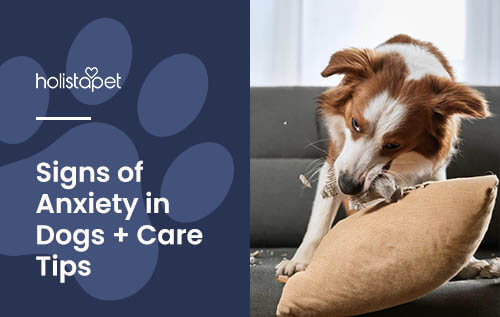
The signs of anxiety in dogs aren't always loud or obvious. Sometimes, they show up as extra clinginess, nervous pacing, or your furry best friend giving you that worried look you just can't ignore.
Catching those early clues can help you step in before stress becomes harder to manage. In this guide, you'll learn what these behaviors may mean, what can trigger them, and practical ways to help your dog feel calmer and more secure.
Key Highlights
- Early clues include yawning, lip licking, freezing, restlessness, and other subtle behavioral changes.
- Severe cases may involve escape attempts, aggression, self-injury, or panic that risks safety.
- Sudden behavioral changes can point to medical causes and deserve prompt veterinary evaluation.
- Positive reinforcement and predictable daily routines can help reduce stress and build confidence.
- Calming products can complement professional care as part of a thoughtful wellness plan.
Early and Subtle Signs of Anxiety in Dogs

An anxious dog often shows quiet clues before barking, hiding, or trying to escape. Watch for several behaviors that appear around the same trigger instead of judging one signal alone.
- Yawning when not tired
- Repeated lip licking
- Looking or turning away
- Pinned-back ears
- Sniffing the ground
- Freezing in place
- Refusing a favorite treat
- Following family members closely
- Struggling to settle
Context tells the real story. These behaviors can have other meanings, and most dogs show them occasionally. Pay attention to timing, frequency, recovery, and nearby events. Patterns across several situations offer stronger clues than one isolated moment.
Behavioral Signs of Anxiety in Dogs
Some dogs wear their worries on their paws. Others hide them behind everyday habits that seem harmless at first. Keep an eye on behaviors like these:
- Excessive barking, whining, or howling
- Pacing or restlessness
- Hiding or withdrawing
- Unusual clinginess
- Destructive chewing or digging
- House soiling
- Repetitive licking
- Freezing or refusing to move
- Escape attempts
- Growling, snapping, or biting
Behavior makes more sense when you consider the situation. Damage around doors while alone may be signs of separation anxiety. The same can be true if your canine pees when excited, though the accident may simply reflect excitement rather than anxiety. Meanwhile, chewing can result from boredom or limited mental stimulation.
Anxious Dog Body Language
Your doggo communicates with more than barks and whines. Posture, facial expressions, and muscle tension often reveal how they feel. Pay attention to these signs:
- Tail lowered
- Ears pulled back
- Head or body lowered
- Crouched or hunched posture
- Whale eye
- Dilated pupils
- Trembling
- Avoiding eye contact
- Raised hackles
- Tense mouth
- Freezing
Even a wagging tail does not always signal happiness if the rest of your dog's body looks tense. Dogs may display anxiety through body language such as pinned ears and a tucked tail. Give your furry companion space if they stiffen, growl, or bare their teeth.
Physical Symptoms of Anxiety in Dogs
Stress does not affect behavior alone. It can also show up through physical changes that are easy to mistake for other problems.
Watch for panting without heat or exercise, excessive drooling, trembling, disrupted sleep, reduced appetite, vomiting, or diarrhea.
Related Product: Probiotics for Dogs
Repeated licking can irritate the skin, while poor appetite may lead to weight loss. Because these common symptoms may have an underlying cause unrelated to anxiety, it is best to schedule a veterinary exam if they appear suddenly or continue.
Mild, Moderate, and Severe Dog Anxiety Signs
The common signs of anxiety can range from subtle to severe. Some show subtle changes, while others struggle to cope. Veterinarians often consider how frequently these behaviors happen, how long they last, how quickly a dog recovers, and whether anyone's safety is at risk.
- Mild: Yawning, lip licking, looking away, or mild restlessness
- Moderate: Pacing, shaking, hiding, vocalizing, or refusing treats
- Severe: Frantic escape attempts, prolonged panic, destruction, self-injury, or biting
Small warning signs shouldn't be ignored when they happen repeatedly. Early support can help your dog feel calmer and keep stressful situations from becoming more difficult to manage.
Dog Anxiety vs Stress, Fear, and Excitement
At first glance, these emotions can look almost identical. The difference lies in what triggers them and how long they last. Stress is the body's response to a challenge, while fear develops after an immediate perceived threat. Anxiety involves expecting something unpleasant before it happens.
Recovery time also offers an important clue. A happy, excited pup usually bounces back quickly with loose, relaxed movements. In contrast, dogs may display anxiety through body language such as pinned ears, a tucked tail, muscle tension, avoiding interaction, refusing treats, and slower recovery after the trigger passes.
What Causes Anxiety in Dogs?

Some pups seem naturally sensitive, while others develop anxiety after illness, environmental changes, limited socialization, or frightening experiences. Genetics, temperament, health, training, and learning history can all contribute.
Many dogs have overlapping triggers, so identifying patterns is more useful than assuming a single cause behind their behavior in daily life.
Separation Anxiety
Separation anxiety occurs when a dog is left alone or separated from an attachment figure. Even routine departure cues, such as picking up car keys, can trigger distress. Never punish anxious behaviors, as this can make the problem worse. A separation anxiety treatment plan can guide your dog sitter and help your pup feel more secure.
Here's what separation anxiety in dogs looks like:
- Whining, barking, or howling after departure
- Pacing in fixed patterns and excessive drooling
- Destruction near doors or windows
- Indoor accidents
- Refusing food when left alone
- Frantic escape attempts
- Distress triggered by departure cues, such as picking up keys
Travel Anxiety
Car rides and other forms of travel can feel unpredictable or overwhelming to some dogs. Unfamiliar movement, confinement, past negative experiences, and uncertainty about the destination may all trigger worry. Motion sickness can also cause or worsen distress during the journey.
Here are some clues that your pup finds travel more stressful than exciting:
- Panting or trembling before or during travel
- Refusing to approach or enter the vehicle
- Pacing or struggling to settle
- Whining, barking, or excessive drooling
- Repeated lip licking or yawning
- Trying to escape the car
- Vomiting or having an accident
- Remaining distressed after the journey
Noise Anxiety and Environmental Fears
The signs of noise anxiety in dogs may appear during storms or fireworks. Dogs with sound sensitivity may show apparent responses like trembling or hiding. Reduce exposure, close windows, secure exits, and provide a retreat. White noise may have a calming effect, while some dogs benefit from behavioral training or veterinary care.
It's easy to tell when your pup is enduring noise anxiety:
- Hiding or searching for shelter
- Trembling and panting
- Freezing or becoming unusually clingy
- Pacing and vocalizing
- Refusing treats
- Trying to escape
- Taking a long time to settle after the noise stops
Unfamiliar People, Animals, Places, and Handling
Strange situations can overwhelm even confident pups. Meeting new people, other dogs, visiting busy places, grooming appointments, or veterinary exams may leave a dog's mind feeling overloaded.
Some dogs avoid contact, bark, freeze, hide, or refuse treats. Step farther from the trigger instead of pushing interactions. Dog parks are not the right social setting for every pup. Gradual introductions guided by a certified professional dog trainer can build confidence safely.
Changes in Routine or the Home
Big or small, household changes can shake a dog’s life. Moving, changing schedules, visitors, a new baby, another pet, or losing a companion can affect a dog’s sense of security and disrupt their routine.
Some become clingy, withdrawn, restless, destructive, or lose interest in food. Keep meals, walks, playtime, and rest as consistent as possible. Introduce changes gradually and allow time for adjustment.
Past Experiences, Socialization, and Individual Temperament
Early socialization helps reduce the risk of future anxiety, but genetics can make some dogs more prone to it. Limited exposure, frightening experiences, learned associations, and temperament also influence responses. Some adult dogs may develop anxiety after one frightening event.
Fear alone does not prove abuse or poor socialization. Build confidence through positive reinforcement. Never force your pup toward something that feels unsafe. Instead, create manageable positive experiences gradually together.
Pain, Illness, Aging, and Other Medical Causes
Behavioral changes do not always begin with anxiety. Pain, digestive or urinary problems, thyroid conditions, medication effects, and neurologic disorders can all influence behavior.
Older or senior dogs may also develop vision loss, hearing decline, or canine cognitive dysfunction. This may lead to nighttime restlessness, confusion, withdrawal, irritability, or house soiling. Sudden or worsening changes always deserve a veterinary evaluation before they are considered behavioral alone.
How to Identify Your Dog’s Anxiety Triggers

Understanding triggers of anxiety in dogs is essential for effective management. Keep a brief record of your dog's behavior during each episode without playing detective from memory.
Note:
- Where the behavior occurred
- Who or what was present
- What happened immediately beforehand
- Which signals appeared
- How intense the reaction became
- How long recovery took
- What helped your dog calm down
A home camera can show whether symptoms begin when your pup is alone and reveal patterns you might miss in person. Share the record with your veterinarian, trainer, or veterinary behaviorist. These details can guide safer, more targeted next steps for your dog.
What to Do When Your Dog Is Anxious
The way you respond during an anxious moment can shape how the situation unfolds. The goal is to reduce pressure and create distance from the trigger whenever it is safe. The guidance below explains when to offer a quiet space and when spending time nearby or gentle pressure may help. It also covers when your dog may prefer space instead and how to reduce safety risks during stressful moments.
Create a Safe and Predictable Home Routine
Predictable routines help reduce anxiety in dogs by making each day feel more familiar. Keep feeding, walks, playtime, and rest on a consistent schedule, and avoid inconsistent training methods that can increase uncertainty.
Creating a safe space gives anxious pups a comfortable retreat, whether it's a quiet room, cozy bed, or crate introduced positively. Before known triggers like car rides, prepare the area, secure escape routes, and gather essentials.
Positive Reinforcement and Behavior Modification
Managing dog anxiety often combines behavioral training with thoughtful environmental changes. Start where your pup notices the trigger but can still eat, respond, and stay relaxed.
Reward calm behavior, then gradually increase exposure only while your furry friend remains comfortable. Never force fearful situations. For resource guarding, aggression, severe separation anxiety, or intense phobias, work with a qualified trainer or veterinary behaviorist.
Exercise, Enrichment, and Healthy Outlets
Activities that engage the body and mind can help dogs use their energy in healthy ways. Sniff walks, puzzle toys, short training sessions, interactive games, and safe chew toys may ease boredom and support relaxation.
Choose activities suited to your pup’s age, health, and energy level. While enrichment can promote everyday balance, it cannot resolve anxiety if the underlying trigger remains unaddressed.
HolistaPet's Calming Options for Dogs

A consistent routine, positive reinforcement, and professional guidance remain the foundation of anxiety management. Once those essentials are in place, HolistaPet products can complement your dog's wellness routine by supporting calm, relaxation, and everyday balance.
Some pet parents also include these products alongside behavior training for dog car anxiety, although they are not intended to treat motion sickness.
- CBD soft chews for dogs. These tasty chews deliver pre-measured servings of CBD (cannabidiol). CBD interacts with the canine endocannabinoid system, which helps regulate mood, sleep, and stress responses, making daily supplementation simple and convenient.
- Best CBD oil for dogs. HolistaPet's CBD oil offers flexible serving options based on your pup's size and needs. Give it directly by mouth or mix it into food for an easy addition to your dog's daily routine.
- Dog melatonin soft chews. These chews combine melatonin with L-theanine, chamomile, passion flower, ashwagandha, tryptophan, and valerian root to promote relaxation and support restful sleep.
Always follow product directions and speak with your veterinarian before combining supplements, especially if your dog takes medication or has a medical condition.
When to Seek Veterinary or Emergency Help
Don't wait if your dog's anxious behaviors appear suddenly or keep getting worse. Contact your veterinarian if anxiety interferes with eating, sleeping, bathroom habits, or everyday activities. They may recommend behavioral modification or anti-anxiety medication. You should also schedule a visit if you notice weight loss, self-injury, aggression, dangerous escape attempts, or symptoms that started after a new medication.
Related Post: Is Ask a Vet Online Legit?
Online guidance can help answer questions, but breathing difficulty, collapse, repeated vomiting, suspected poisoning, serious injuries, or any life-threatening emergency always require immediate veterinary care.
Frequently Asked Questions
How Can I Tell Whether My Dog Is Anxious or Just Excited?
Excitement fades quickly. Happy pups show loose body language, engage willingly, and settle easily. Anxiety often lasts longer. Your dog may remain tense, avoid interaction, pin their ears, tuck their tail, tremble, or refuse treats. Consider the trigger and how quickly your pup recovers.
Can a Dog Suddenly Develop Anxiety?
Yes. A dog can develop separation anxiety or another fear after years of confident behavior. A frightening event, household change, or unfamiliar experience may trigger it. Sudden changes can also indicate pain, illness, sensory decline, or medication side effects. If the cause isn't clear, schedule a veterinary exam to rule out an underlying medical condition.
Does Dog Anxiety Get Worse with Age?
It can. Some senior dogs become more anxious as age-related health changes develop. Pain, reduced vision or hearing, disrupted sleep, and canine cognitive dysfunction may all play a role. Anxiety is not a normal part of aging. If your pup starts pacing, acting confused, becoming unusually clingy, or vocalizing at night, schedule a veterinary visit.
Final Thoughts on Recognizing Anxiety in Dogs
Learning to recognize the signs of anxiety in dogs gives you the chance to step in before anxious behaviors become harder to manage. Pay attention to changes in your pup's body language, daily habits, and physical health.
Stay patient, reduce known triggers, and work with your veterinarian when symptoms persist or suddenly worsen. Small, consistent actions often make the biggest difference. A steady routine, positive reinforcement, and professional guidance can help your furry friend feel more confident and secure.
For added wellness support, explore HolistaPet's calming products and ask your veterinarian which options best fit your pup's needs. You can also browse our dog care guides for more practical tips on behavior, training, and everyday wellness.









Leave a comment
All comments are moderated before being published.
This site is protected by hCaptcha and the hCaptcha Privacy Policy and Terms of Service apply.