


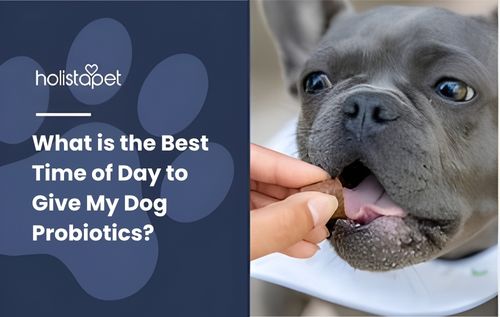
Dogs do best with probiotics when given at a consistent time each day, usually alongside a meal. Timing matters because it helps the beneficial bacteria survive and work effectively in the gut.
Understanding the right moment to give probiotics can make a real difference in digestion, energy, and overall health.
What Time of Day Should I Give My Dog Probiotics?
Give probiotics during a meal, ideally at the same time each day. Food helps protect the beneficial bacteria as they pass through the stomach, which improves absorption and effectiveness.
Morning or evening both work, as long as the timing stays consistent with the dog’s feeding routine.
Does Timing Matter with Dog Probiotics?

Yes, timing plays a role, but consistency matters more than the exact hour. The goal is to create a stable routine that supports gut balance over time.
Certain factors make timing more effective:
-
Probiotics work best when they can survive stomach acid and reach the intestines
-
A predictable schedule helps maintain steady levels of beneficial bacteria
- Irregular timing can reduce overall effectiveness
Research supports the importance of proper conditions for probiotic survival. A study published in the World Journal of Gastroenterology found that specific strains of probiotics show higher survival rates when taken under conditions that reduce exposure to harsh stomach acid.
Other timing-related considerations include:
-
Giving probiotics before or after stress events, such as travel or vet visits, can support gut stability
-
Administering them after antibiotic use helps restore disrupted gut flora
- If your vet advises it, space probiotics away from medications to improve absorption
Veterinary experts, including those cited by the American Kennel Club, note that regular administration plays a bigger role than strict timing. A consistent daily habit allows beneficial bacteria to colonize more effectively and support digestion, immunity, and stool quality.
What are the Best Probiotic Products for Dogs?

The best probiotic products for dogs are those with proven strains, adequate live cultures, and forms that fit easily into a daily routine.
|
Product Type |
Form |
Key Benefit |
Best For |
|
Soft Chews |
Treat like |
Easy administration |
Picky eaters |
|
Powders |
Mix with food |
Flexible dosing |
Routine feeding |
|
Capsules |
Pill or sprinkle |
Concentrated support |
Targeted gut care |
Probiotic Soft Chews
Holistapet dog digestive probiotics and Zesty Paws Probiotic Bites are two soft chew options dogs accept readily. Both combine multiple probiotic strains with digestive enzymes, making them practical for daily use without any mixing or measuring. Soft chews offer a convenient and palatable option for daily use.
-
Easy to give as a treat with no mixing required
-
Ideal for picky eaters
- Many soft chews combine probiotics with digestive enzymes to broaden gut support.
Veterinary guidance often favors chew formats for consistent use since dogs accept them more readily.
Probiotic Powders
Powders work well for dogs that eat regular meals without hesitation.
-
Easy to mix directly into food
-
Allows flexible dosing based on size and needs
- Probiotic powders typically deliver 1–5 billion CFUs per serving and often include strains like Lactobacillus acidophilus and Bifidobacterium animalis — two strains with documented support for canine digestive regularity. Mix directly into wet or dry food for consistent daily intake.
A study in Frontiers in Veterinary Science highlights that consistent intake of adequate CFUs supports gut microbiota balance and digestive function.
Probiotic Capsules
Capsules provide a more concentrated option for targeted support.
-
Delivers precise doses of beneficial bacteria
-
You can give capsules whole or open them and sprinkle the contents directly on food.
- Suitable for dogs needing higher potency formulas
These products often include multiple strains, which research suggests can improve overall gut stability and immune response.
For broader wellness support, some pet owners also include dog daily multivitamin alongside probiotics.
How Do I Incorporate Probiotics in My Dog’s Diet?

Add probiotics by pairing them with your dog’s regular meals and keeping the routine consistent.
-
Mix with meals: Stir probiotics into regular food to support digestion and easy intake.
-
Follow serving guidelines: Use the correct dose based on weight for effective results.
-
Start gradually: Introduce small amounts first to avoid digestive upset.
-
Stick to a routine: Give probiotics at the same time each day to maintain balance.
-
Choose the right format: Use chews, powders, or capsules based on preference.
-
Store properly: Keep products in a cool, dry place to preserve potency.
- Monitor response: Check stool quality and overall comfort to track progress.
You can also explore supportive topics like lions mane for dogs and improving our dog gut health.
Improve Your Dog’s Gut Health with Probiotics
Give probiotics with meals and keep the timing consistent each day. This simple habit helps support digestion, gut balance, and overall health.
Learn more care tips with our dog care articles.
For additional support options, consider probiotics for dogs and lab-tested dog treats.
Frequently Asked Questions
Can I give my dog probiotics every day?
Yes. Daily use supports a stable gut environment and helps maintain digestive balance over time.
How long does it take for probiotics to work in dogs?
Some dogs show improvements in a few days, while full benefits often appear within two to four weeks of consistent use.
Are there any side effects of probiotics for dogs?
Mild gas or loose stool can occur at the start, but these usually resolve as the gut adjusts.
Can puppies take probiotics?
Yes. Puppies can benefit from probiotics, especially during diet changes or stress, but follow proper dosing for their size.
Do probiotics help with bad breath in dogs?
Yes. Improved gut health can reduce odor-causing bacteria, which may help with bad breath.
Should I stop probiotics once my dog improves?
No. Continued use helps maintain results and supports long term digestive health.








Leave a comment
All comments are moderated before being published.
This site is protected by hCaptcha and the hCaptcha Privacy Policy and Terms of Service apply.