


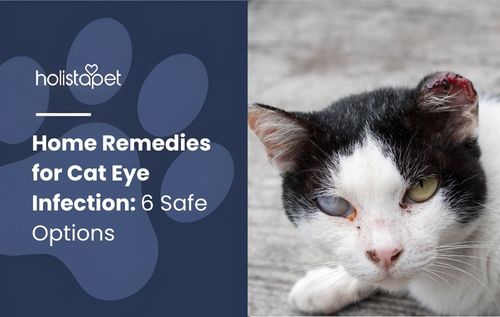
If you’re looking for home remedies for a cat eye infection, the safest options are supportive care only: gently cleaning discharge with sterile saline, using a warm compress to soften crusts, reducing irritants, keeping the cat’s environment clean, and supporting hydration and nutrition while you arrange veterinary guidance. Red, watery, or sticky eyes may indicate conjunctivitis, irritation, injury, or another eye disorder—not always an infection—and home care cannot identify or cure the underlying cause.
For cat owners trying to care for a cat with eye symptoms at home, this guide explains common causes, symptoms, and types of discharge, why kittens need extra caution, which at-home steps are considered safe, what a veterinarian may check, and when signs mean your cat needs prompt medical care.
Medical Disclaimer: This article is for educational purposes only and is not a substitute for veterinary diagnosis or treatment. Eye problems can worsen quickly and may threaten vision. Contact a veterinarian promptly if your cat has redness, discharge, swelling, squinting, cloudiness, or an apparent eye injury.
Key Highlights
- Cat eye infections may be caused by viruses, bacteria, allergies, environmental irritants, eye injuries, or blocked tear ducts.
- Common signs include redness, watery eyes, thick discharge, swelling, squinting, crusty buildup, pawing at the eye, light sensitivity, or cloudiness.
- Gentle home remedies may include saline rinses, warm compresses, regular eye-area cleaning, cooled chamomile washes, immune support, and CBD-based comfort support.
What Causes Eye Infections in Cats?

Conjunctivitis is inflammation of the membrane lining the eyelids and covering part of the eye. According to the Cornell Feline Health Center, it is the most common feline eye disorder. Viruses and bacteria cause many cases, but an irritated, red, or weepy eye can also result from trauma, a foreign object, tear drainage trouble, or an eyelid abnormality.
Viral Infections
Feline herpesvirus type 1 (FHV-1) is the most common infectious cause of conjunctivitis in cats. It may cause redness, squinting, watery or colored discharge, sneezing, and nasal discharge. An upper respiratory infection can also contribute to eye irritation and signs of conjunctivitis. The virus can remain dormant and cause future flare-ups.
FHV-1 can also affect the cornea. A peer-reviewed review indexed by NCBI describes conjunctivitis, keratitis, and corneal ulceration among its ocular effects. Feline herpesvirus may require specific treatments, including antiviral medication prescribed by a veterinarian, because a painful ulcer may initially resemble “pink eye.” A veterinary examination matters.
Bacterial Infections
Chlamydia felis, Mycoplasma species, and other bacteria may cause or complicate conjunctivitis. Discharge can begin clear and later become yellow, green, thick, or pus-like. Young cats in multi-cat environments may have greater exposure. Color alone cannot identify the organism or indicate how it should be treated; veterinarians may prescribe antibiotics for bacterial eye infections.
Irritants and Allergens
Dust, smoke, aerosol sprays, fragrance, cleaning fumes, pollen, and loose litter particles may irritate the conjunctiva. Irritation can produce tearing and redness without a primary infection. Remove the suspected irritant and contact a veterinarian if signs persist, involve only one eye, or appear painful.
Injuries, Foreign Objects, and Corneal Ulcers
A claw scratch, rough play, plant material, dust, or debris can damage the eye. Rubbing may worsen the injury. Cats with itchy skin or cat skin problems may also paw near the face, but redness or discharge should not automatically be blamed on the skin. Do not pull out an embedded object or press on the eye.
Tear-Duct, Eyelid, and Other Health Problems
Poor tear drainage, eyelid shape, inward-growing hairs, reduced tear production, or facial structure can cause persistent irritation. Conditions such as feline immunodeficiency virus (FIV) or feline leukemia virus (FeLV) may also increase risk. These causes require veterinary diagnosis.
What Are the Common Symptoms of Feline Eye Problems?
Watch for your cat's symptoms in one or both eyes; regularly wiping away external discharge may help alleviate mild discomfort while you monitor the issue:
- Red or swollen tissue around the eye or third eyelid
- Clear, yellow, green, bloody, or thick discharge
- Excess tearing, crust, or sticky eyelids
- Squinting, frequent blinking, or keeping an eye closed
- Pawing or rubbing the face
- Sensitivity to light
- Cloudiness, a blue-white film, or a visible spot on the cornea
- Unequal pupils or a sudden change in eye size or shape
- Sneezing, coughing, nasal discharge, low appetite, or lethargy
Cats often hide discomfort. Learn other signs of pain in cats, and treat a closed or persistently squinting eye as a prompt for calling a veterinarian.
HolistaPet Cat Eye Discharge Guide
|
Discharge appearance |
What it may suggest |
What to do |
|---|---|---|
|
Clear and watery |
Early viral conjunctivitis, irritation, allergy, tear overflow, or a foreign object |
Remove airborne irritants and contact a veterinarian if tearing persists, recurs, or is accompanied by redness or squinting. |
|
Yellow |
Mucus or pus is associated with inflammation and may contain a bacterial component. |
Arrange a prompt veterinary examination. Do not use leftover antibiotics. |
|
Green |
Thick, pus-like discharge and a possible bacterial component or secondary infection |
Seek veterinary care promptly, especially if the eyelids stick together. |
|
Bloody or pink-tinged |
Trauma, a foreign object, severe inflammation, or bleeding from surrounding tissue |
Seek urgent veterinary care. Do not flush forcefully or remove an embedded object. |
|
Thick, sticky, or crusting |
Conjunctivitis, impaired tear drainage, or infection; severe buildup can seal a kitten’s eyelids |
Soften only the external crust without forcing the eye open, then obtain veterinary care. |
This guide is not a diagnosis. The same cause can produce different types of discharge, and more than one problem may be present.
Why Eye Problems Are Especially Serious in Kittens
Kittens need faster veterinary attention. Neonatal conjunctivitis, also called ophthalmia neonatorum, can develop behind eyelids that are still naturally closed. Warning signs include swollen or bulging lids, crusting, or fluid leaking from the inner corner. Do not pry the eyelids apart. A veterinarian may need to open and clean them safely.
Feline herpesvirus is another major concern. It can spread through eye and nasal secretions and may cause severe conjunctivitis in young kittens. VCA Animal Hospitals notes that discharge can seal a kitten’s eyes shut and that delayed care may result in permanent damage or blindness. FHV-1 can also cause painful corneal ulcers.
Call a veterinarian the same day for any kitten with discharge, swelling, redness, crusted shut eyelids, sneezing, poor appetite, or low energy. Keep the kitten warm, wash your hands, and ask whether littermates and the mother should also be examined. For general age-related care, see HolistaPet’s guide to determining a cat's age.
Are There Safe Home Remedies for Cat Eye Infections?
Home care should be viewed as supportive cleaning and comfort—not treatment for an infection. Ask your veterinarian what is safe for your cat, particularly if the eye is painful, cloudy, injured, or sealed shut.
WARNING: Never Put These Products in a Cat’s Eye Without Veterinary Direction
- Human redness-relief, allergy, antibiotic, or medicated eye drops
- Leftover pet prescriptions, especially steroid-containing drops or ointments
- Hydrogen peroxide, rubbing alcohol, chlorhexidine, iodine, or household antiseptics
- Essential oils, colloidal silver, vinegar, breast milk, or herbal products
- Chamomile tea or any infusion that may contain particles or contaminants
- Homemade saltwater, which may have an unsafe concentration or contamination
- Contact-lens cleaning or disinfecting solutions
- Skin creams, gels, or ointments not specifically labeled for ophthalmic use
1. Use a Gentle Warm Compress
Moisten a clean, soft cloth or lint-free gauze with comfortably warm water. Test it against your wrist first. Rest it lightly over the closed eyelid for 30 to 60 seconds to soften external crust, soothe the area, and promote healing by loosening crust on the closed eyelid.
Do not press, scrub, or force the eye open. Use a clean washcloth for each eye and wash it after use.
2. Clean Around the Eye Safely
Use sterile 0.9% saline labeled as a plain eye wash or the product your veterinarian recommends. Moisten lint-free gauze and wipe the eyelid and surrounding fur from the inner corner outward. Use new gauze for every pass and separate supplies for each eye.
Do not touch the eye with the bottle tip, scrape hardened debris, trim fur near the eye, or squirt liquid directly onto a painful or injured eye unless a veterinarian instructs you. Cleaning removes external buildup; it does not cure viral or bacterial disease.
The AVMA’s pet first-aid guidance includes commercial saline for eye flushing, but medicated or multipurpose contact-lens solutions are not the same as plain sterile saline.
Original HolistaPet Safe-Cleaning Step Graphic
1. Wash hands → 2. Gather separate gauze for each eye → 3. Moisten with warm water or veterinarian-approved sterile saline → 4. Soften crust on the closed lid → 5. Wipe from the inner corner outward → 6. Use fresh gauze for every pass → 7. Stop if the cat resists or shows pain → 8. Wash your hands and call the veterinarian as directed
3. Remove Environmental Irritants
Move the cat away from smoke, diffusers, aerosols, fragranced cleaners, dusty renovation areas, and strong fumes. Choose low-dust, unscented litter and ventilate the room without aiming a fan at the face.
If a chemical entered the eye, do not wait for symptoms—seek immediate professional guidance.
4. Keep the Resting Area and Supplies Clean
Wash bedding and bowls regularly. In a multi-cat home, ask whether the affected cat should temporarily use separate supplies. Wash your hands before and after cleaning your face.
5. Support Hydration, Nutrition, and Calm
Offer fresh water and the cat’s usual balanced food. Warming wet food slightly may improve its aroma for a congested cat, but call the veterinarian if appetite drops.
Provide a quiet resting area and handle the face gently. These measures support general wellness; they do not replace diagnosis, antiviral medication, antibiotics, pain relief, or other prescribed care.
6. Discuss CBD Only as General Comfort Support
Some owners ask about oral, pet-formulated CBD to promote calm and general comfort during stressful care. CBD does not treat an eye infection, conjunctivitis, or a corneal ulcer, and it should never be applied to the eye. Controlled feline evidence remains limited, and product quality can vary.
Ask a veterinarian about suitability, possible medication interactions, and monitoring before using CBD. If the veterinarian agrees that it fits the cat’s wellness plan, owners can review HolistaPet’s organic CBD oil for cats. CBD must not delay an eye examination or replace prescribed medication.
What May a Veterinarian Check or Test?

The veterinarian will examine both eyes and consider the cat’s history and symptoms. The visit may include:
- Fluorescein dye to look for a corneal scratch or ulcer
- Tear-production testing
- Eye-pressure measurement when glaucoma or inflammation is a concern
- Examination beneath the eyelids for hair, debris, or a foreign object
- A swab, cytology, culture, or PCR test for selected infectious causes
- Evaluation of the eyelids, tear ducts, and surrounding skin
The Merck Veterinary Manual emphasizes that appearance alone is often not enough to determine the cause. Treatment may involve prescription antibiotics or antiviral medication, lubrication, pain control, or care for an injury or underlying condition.
When Should I Go to the Vet for My Cat’s Eye Problem?

Call a veterinarian promptly for any red, swollen, uncomfortable, or discharging eye. Seek same-day or emergency care for:
- An eye held closed or persistent squinting
- Cloudiness, a blue-white film, a visible ulcer, or apparent vision loss
- Trauma, bleeding, chemical exposure, or an embedded object
- Unequal pupils, a bulging eye, or a sudden change in eye size or shape
- Severe swelling, intense redness, or thick yellow or green discharge
- Repeated rubbing or obvious pain
- A kitten with any eye discharge or crusted shut eyelids
- Eye signs accompanied by breathing trouble, marked lethargy, dehydration, or refusal to eat
Do not wait 24 to 48 hours when pain, cloudiness, injury, or kitten eye disease is present. Early diagnosis helps protect comfort and vision.
Final Thoughts
The safest home remedies for a suspected cat eye infection are limited to gentle external cleaning, a warm compress, a clean environment, and general comfort support. They cannot identify the cause of an infection or cure it.
Avoid homemade or human eye products, and contact a veterinarian promptly if the eye is red, painful, cloudy, swollen, injured, or producing discharge.
Frequently Asked Questions
Can a cat eye infection heal on its own?
Some mild conjunctivitis episodes or brief irritation may settle on their own. Still, owners cannot safely tell an uncomplicated case from a corneal ulcer, foreign object, or other serious problem by appearance alone.
Cornell advises veterinary care if a cat has eye discomfort and discharge to rule out more serious disorders. Do not rely on cleaning as a cure.
Can humans catch eye infections from cats?
Most causes of feline conjunctivitis do not commonly infect people, although rare transmission of certain organisms has been reported. Wash your hands after touching discharge and keep children or immunocompromised people from handling contaminated supplies. Anyone who develops eye symptoms should contact a healthcare professional.
How long does a cat eye infection usually last?
Duration depends on the cause and whether the cornea or respiratory tract is involved. VCA notes that uncomplicated herpesviral conjunctivitis may resolve within about two weeks, but flare-ups can recur, and ulcers require specific care. Follow the veterinarian’s treatment schedule and arrange a recheck if signs persist or worsen.
Can indoor cats develop eye infections?
Yes. Indoor cats may carry latent FHV-1, contract an organism from another cat, or develop redness and discharge from dust, litter, cleaning products, injury, eyelid problems, or tear-drainage issues. Indoor living reduces some exposures but does not prevent eye disease.
Should a cat’s eye be covered during an infection?
No, not unless a veterinarian provides a specific protective dressing. A homemade covering can rub the cornea, trap moisture, hide worsening signs, and interfere with prescribed drops.
If the cat keeps pawing at the eye, ask the veterinarian whether a properly fitted recovery collar is appropriate.







3 comments
Faye
Over 60 years ago an old veterinarian told me to mix boric acid powder in a little warm water and soak a cotton ball in it. Squeeze out excess liquid and hold warm cotton ball on the infected eye. Do this several times and repeat about three times a day.It always cured the issues my cats had at the time.
Perry
It says 6 remedies, at best there’s 2, the L-lysine and the water and wiping, which is repeated. Everything else seems to be a cause to an eye infection. Hmmmm.
carmen martinez
kitty eye
Leave a comment
All comments are moderated before being published.
This site is protected by hCaptcha and the hCaptcha Privacy Policy and Terms of Service apply.