

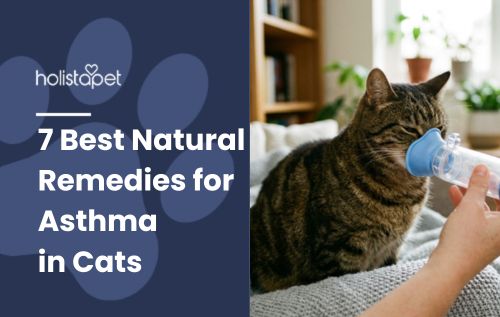
Cat asthma can cause coughing, wheezing, and breathing difficulties that affect a cat's comfort and quality of life. Along with veterinary treatment, natural remedies for asthma in cats may help support respiratory wellness, reduce environmental triggers, and improve daily comfort find more approaches in our guide to holistic care for cats.
What is Feline Asthma?

Feline asthma is a chronic inflammatory condition that affects a cat’s lower airways and lungs. When inflammation develops, the airways narrow and produce excess mucus, which makes breathing harder and triggers asthma symptoms like wheezing, coughing, and labored breathing.
According to the Cornell Feline Health Center, feline asthma involves an exaggerated immune system response that causes airway constriction similar to asthma in humans. Over time, repeated inflammation can reduce normal respiratory function and increase the risk of asthma attacks in cats.
What Causes Cat Asthma?
 Cat asthma develops when the immune system overreacts to inhaled irritants and environmental allergens, which leads to inflammation and narrowed airways.
-
Dust and dust mites: Irritate the lungs and trigger asthma flare-ups.
-
Smoke: Tobacco smoke and fireplace smoke can worsen respiratory health.
-
Pollen: Seasonal allergens often increase asthma symptoms in many cats.
-
Cat litter: Dusty or scented cat litter can irritate the airways.
-
Air fresheners: Strong fragrances may trigger coughing and wheezing.
-
Cleaning products: Chemical fumes can inflame sensitive lungs.
-
Dry air: Low humidity may make an asthmatic cat breathe harder.
-
Stress: Anxiety can increase breathing problems during asthma attacks.
-
Excess weight: A poor diet and unhealthy cat's weight may strain respiratory function.
-
Mold and indoor allergens: Common household particles can trigger chronic inflammation. Parasites like ear mites 2 can also contribute to immune stress, which may compound sensitivity to environmental irritants in some cats.
What are the Best Natural Remedies for Asthma in Cats?
Natural remedies for asthma in cats focus on reducing inflammation, limiting asthma triggers, and supporting respiratory health alongside medical treatment from a veterinarian.
|
Natural Remedy |
Main Benefit |
Helps Reduce |
Best For |
|
Dust-free cat litter |
Cleaner airways |
Dust exposure |
Cats with frequent coughing |
|
Omega-3 supplements |
Supports inflammation control |
Airway irritation |
Chronic bronchitis and wheezing |
|
CBD Oil for Cats |
Supports calmness and immune system balance |
Stress-related symptoms |
Nervous or stressed cats |
|
Air purifier |
Improves indoor air quality |
Environmental allergens |
Indoor cats |
|
Humidifier |
Adds moisture to dry air |
Airway dryness |
Cats with labored breathing |
|
Healthy diet |
Supports healthy weight and health |
Respiratory strain |
Overweight cats |
|
Stress reduction |
Helps manage asthma attacks |
Anxiety triggers |
Sensitive pets |
1. Create a Dust-Free Environment
Reducing airborne irritants may help minimize respiratory flare-ups and support easier breathing.
Helpful ways to improve the environment include:
-
Switching to dust-free cat litter
-
Removing smoke and strong fragrances
-
Washing bedding regularly to reduce allergens
-
Using an air purifier indoors
-
Maintaining balanced indoor humidity
Internal link opportunity: Air Purifiers for Pets or Best Cat Litter for Sensitive Cats
2. Support Respiratory Wellness With Omega-3 Fatty Acids
Omega-3 fatty acids contain properties that may help support a normal inflammatory response and overall lung health.
According to research published in the Journal of Veterinary Internal Medicine, omega 3-fatty acids may help regulate inflammation linked to chronic respiratory conditions in animals.
Helpful tips include:
-
Using veterinarian-approved fish oil
-
Choosing pet-specific supplements
-
Combining supplements with a balanced diet
Internal link opportunity: Omega-3 Supplements for Cats
3. Maintain a Healthy Weight
 Excess body weight may place additional strain on the lungs and make breathing more difficult.
Ways to support a healthy weight include:
-
Feeding portion-controlled meals
-
Limiting excessive treats
-
Encouraging light daily play
-
Monitoring body condition regularly
4. Reduce Stress Inside the Home
Stress and anxiety may contribute to asthma flare-ups in some cats. A calm environment can help support overall wellness.
Helpful strategies include:
-
Keeping feeding schedules consistent
-
Creating quiet resting spaces
-
Limiting sudden environmental changes
-
Separating pets during stressful situations Cats that show reactive or tense behavior around other pets may also benefit from strategies covered in our post on calm aggressive cats, which can help prevent stress-triggered flare-ups.
Internal link opportunity: How To Calm an Anxious Cat
5. Try CBD for Calmness and Immune Support

CBD may help support calm behavior and overall wellness in cats experiencing stress-related discomfort. A 2021 review published in Frontiers in Veterinary Science discussed how cannabinoids may interact with systems involved in immune and inflammatory responses in animals.
Some pet owners incorporate a feline oil supplement or grain-free CBD cat treats as part of a broader wellness routine, with additional options available through our cat CBD tincture collection.
CBD products are not intended to diagnose, treat, cure, or prevent disease. Pet owners should consult a veterinarian before introducing new supplements.
Internal link opportunity:
-
CBD Oil for Cats
-
CBD Cat Treats
-
Benefits of CBD for Cats
6. Improve Indoor Air Quality
Cleaner indoor air may help reduce coughing, wheezing, and exposure to common airborne irritants.
Helpful practices include:
-
Vacuuming carpets regularly
-
Opening windows when pollen levels are low
-
Avoiding scented candles and sprays
-
Replacing HVAC air filters routinely
Internal link opportunity: How To Improve Indoor Air Quality for Pets
7. Add Moisture to the Air
Dry indoor conditions may irritate sensitive airways and increase breathing discomfort in some cats.
Helpful options include:
-
Using a humidifier near sleeping areas
-
Keeping fresh water available
-
Monitoring humidity levels to prevent mold buildup
Internal link opportunity: Best Humidifiers for Pet Owners
When Should You See a Vet for Cat Asthma?
 Contact a veterinarian if asthma symptoms become severe, frequent, or difficult to manage at home.
Warning signs include:
-
Open-mouth breathing
-
Severe wheezing or coughing
-
Blue gums or mouth
-
Extreme breathing difficulty
-
Hunched posture while struggling to breathe
A veterinarian may use X-rays, breathing evaluations, and other diagnostic tests to confirm asthma and rule out conditions such as heart disease or chronic bronchitis.
Natural remedies may help support comfort and wellness, but severe cases often require prescription medications and ongoing veterinary care.
Frequently Asked Questions
Can cat asthma shorten a cat’s life?
Yes, severe untreated asthma can affect a cat’s health and lifespan. Proper treatment, trigger control, and regular vet care help most cats live comfortably for years.
Can cats outgrow asthma?
No, feline asthma usually remains a lifelong condition. Many cats still manage symptoms successfully with medications, natural remedies, and a healthy environment.
Do certain cat breeds develop asthma more often?
Yes, Siamese cats appear more prone to asthma than many other breeds. Veterinarians still see the condition in cats of all ages and breeds regular grooming to reduce dander and coat debris can also help lower allergen exposure, as outlined by VCA: Grooming in Cats.
Can weather changes affect asthma in cats?
Yes, cold temperatures, humidity shifts, and high pollen levels can trigger asthma symptoms. Seasonal changes may increase coughing and wheezing in sensitive cats.
Is exercise safe for cats with asthma?
Yes, light activity usually stays safe for most cats with asthma. Stop activity and contact a vet if breathing problems, wheezing, or coughing increase after exercise.
Can food allergies make asthma worse in cats?
Yes, some food sensitivities may increase inflammation and immune system reactions. A vet can help identify diet-related triggers through food trials or elimination diets.
How long does an asthma flare-up last in cats?
Some flare-ups last a few minutes, while severe asthma attacks may continue longer without treatment. Quick action helps reduce stress on the airways and lungs.






Leave a comment
All comments are moderated before being published.
This site is protected by hCaptcha and the hCaptcha Privacy Policy and Terms of Service apply.