


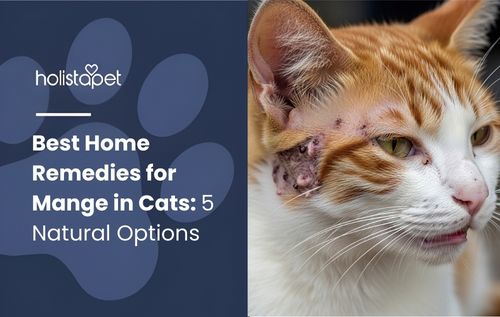
Mange causes intense itching, hair loss, and irritated skin in cats, leading many owners to explore options to help ease discomfort. Several natural remedies can calm the skin, reduce irritation, and support recovery when used with proper care.
Key Takeaways
- Cat mange is a mite related skin condition that requires prompt diagnosis and proper treatment to prevent complications.
- Home remedies can support skin comfort and recovery, but they cannot eliminate the mites that cause mange.
- Good hygiene, consistent treatment, and routine monitoring help reduce the risk of reinfestation.
- Early veterinary care improves recovery and helps protect other pets from contagious forms of mange.
- Knowing the signs and causes of mange allows cat owners to respond quickly and support long term skin health.
What is Cat Mange?
Cat mange is a skin condition caused by microscopic mites that invade a cat’s skin. The mites trigger intense itching, inflammation, hair loss, and scaly or crusty patches.
Cats often catch these parasites through close contact with infected animals or contaminated bedding and spaces. Early treatment stops the mites from spreading and limits skin damage.
What are the Different Types of Feline Mange?
Several mite species can cause feline mange. Each type affects different parts of the body and has its own level of contagiousness.
Notoedric Mange
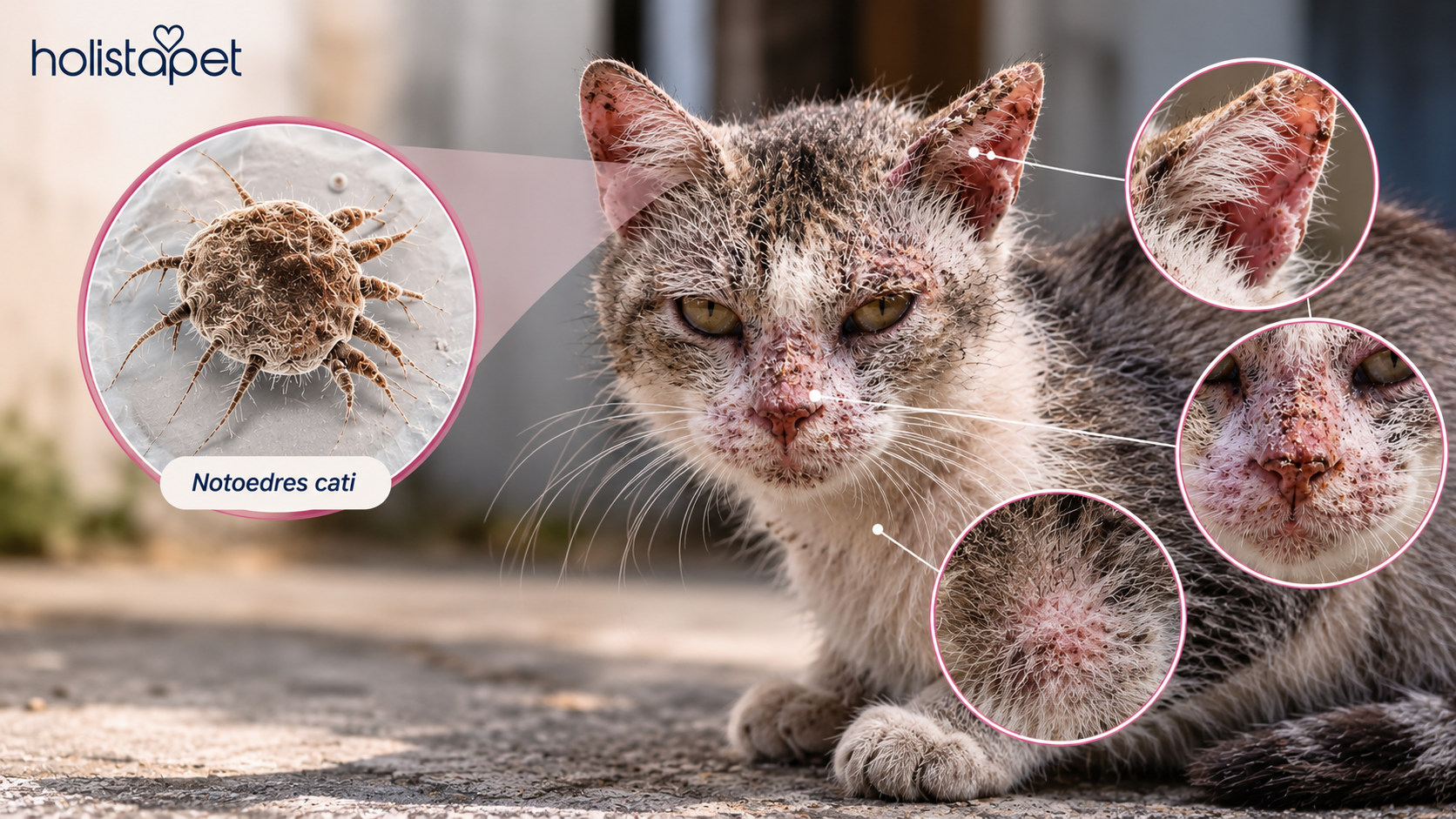
The mite Notoedres cati causes notoedric mange by burrowing into the skin. It usually starts around the ears, face, and neck, causing intense itching, crusting, and hair loss. This contagious mange spreads easily among community cats, feral cats, and other host cats.
- Spreads easily between cats.
- Can cause scabies.
- May cause temporary skin irritation in people.
Demodectic Mange
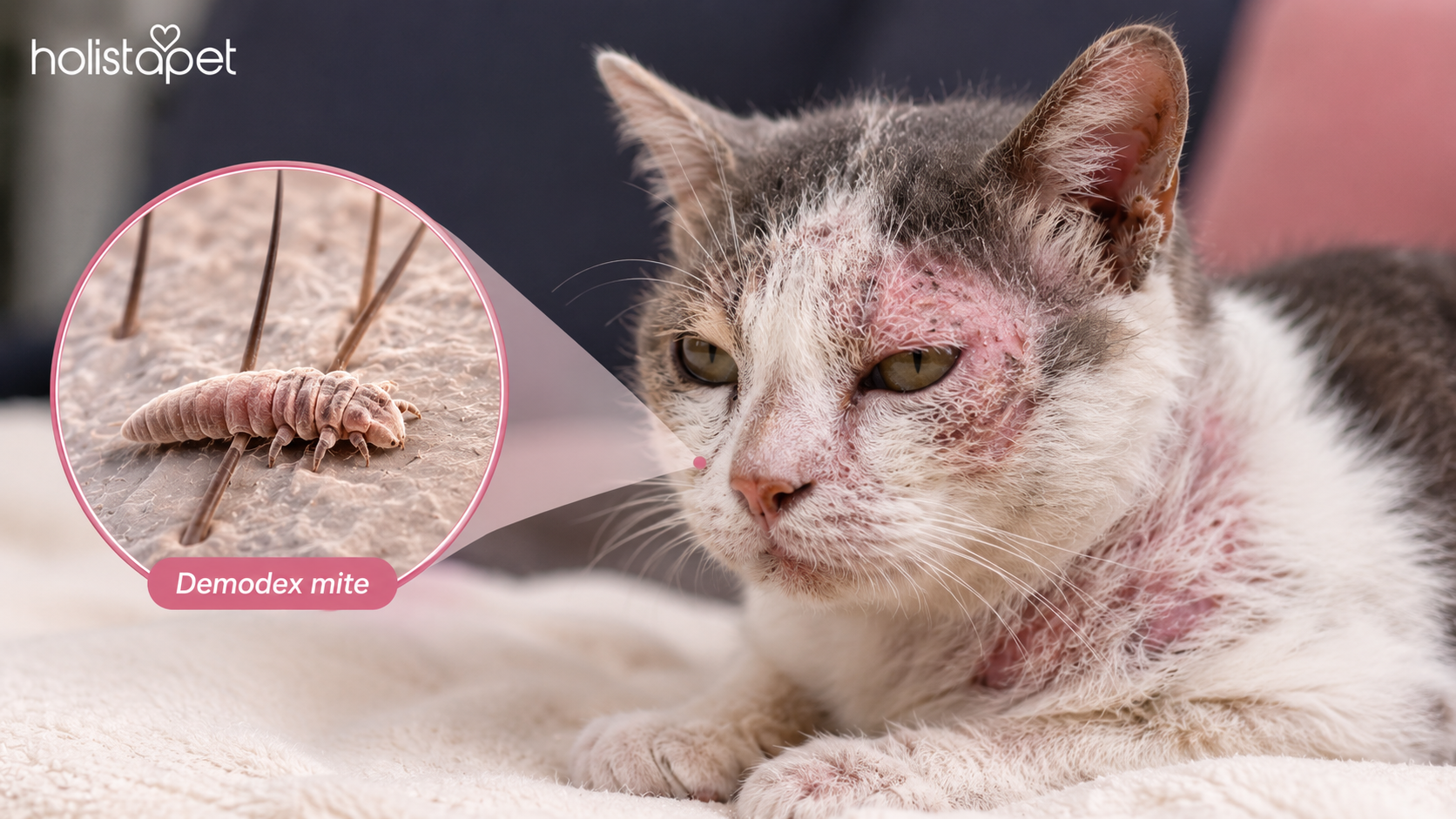
Demodectic mange develops when Demodex mites multiply inside the hair follicles. Healthy adult cats often carry these mites without symptoms, but susceptible cats with a weakened immune system can develop feline generalized demodicosis.
It rarely spreads to other animals or people.
Otodectic Mange
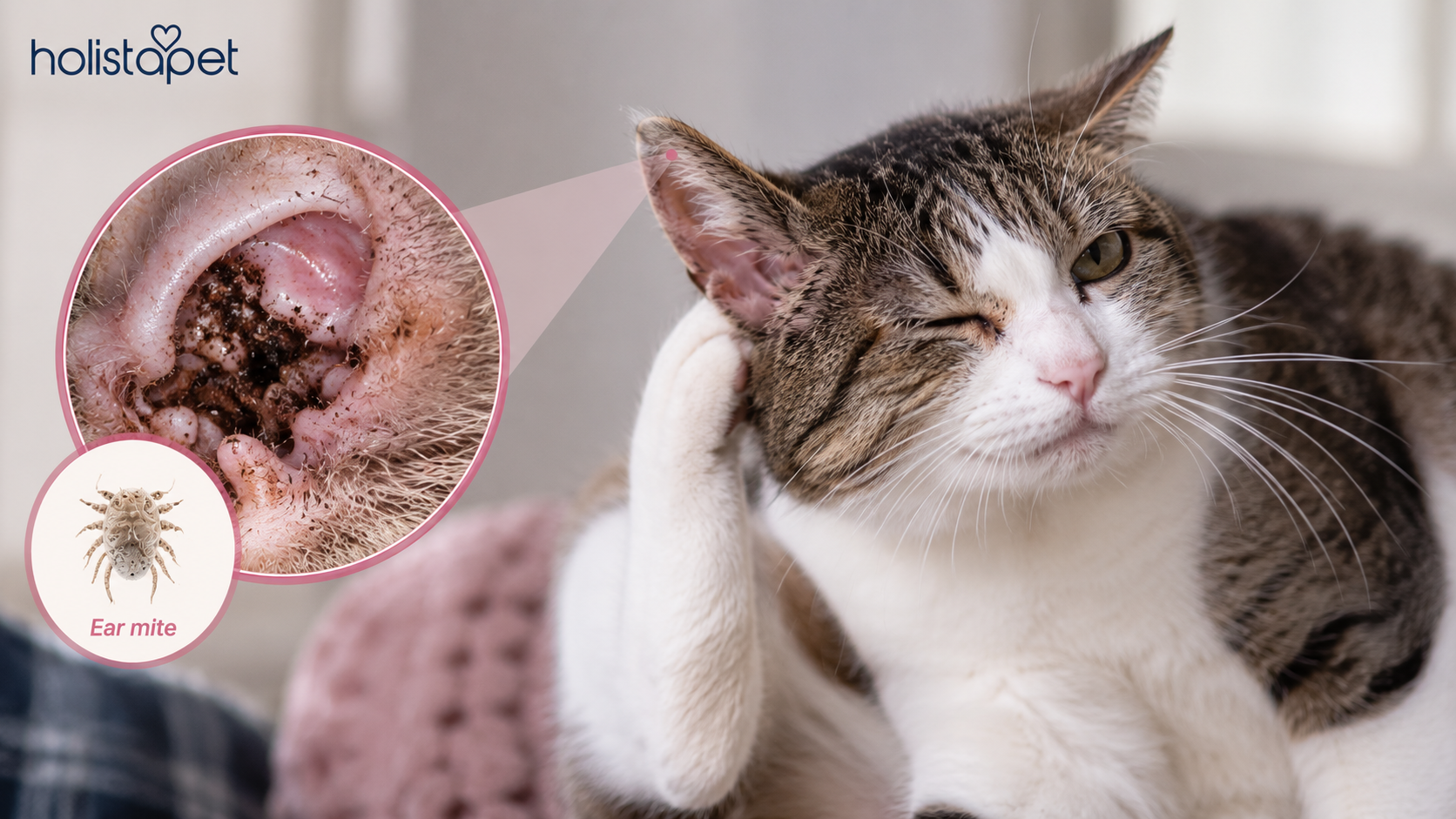
Ear mites cause otodectic mange by infesting the ear canal. Affected cats often scratch their ears, shake their heads, and develop dark ear discharge. Young cats, including a feral kitten, face a higher risk after close contact with infected cats.
- Easily passes between cats.
- Can spread to dogs through close contact.
- Rarely affects people.
What are the Symptoms of Mange in Cats?
Mange causes noticeable skin irritation and behavior changes in cats. The symptoms usually appear as intense itching and visible skin damage.
- Severe itching
- Hair loss or thinning fur
- Red or inflamed skin
- Scaly or crusty patches
- Frequent scratching or biting of the skin
- Thickened or wrinkled skin in affected areas
- Dark debris inside the ears in cases linked to ear mites
Where Do Cats Get Mange?
Cats get mange after coming into contact with infected animals or environments that carry mites. The risk depends on the mite species, the cat's health, and its level of exposure.
Contact with infected cats
Direct contact with an infected cat is the most common source of mange. This happens more often among community cats, feral cats, and other unowned cats that live in close groups.
Shared bedding and contaminated environments
Mites can survive for a short time on bedding, blankets, grooming tools, and other surfaces. Cleaning these items helps lower the risk of exposure, especially after treating an infected cat.
Animal shelters and rescue facilities
Shelter cats may carry mite infestations before adoption, particularly if they arrive as strays or come from overcrowded environments. Many shelters screen and treat affected cats before adoption, but new owners should still watch for signs of skin disease.
Contact with infected dogs
Some mites can spread from dogs to cats through close contact. Sarcoptic mange, caused by mites commonly found in dogs, can occasionally affect cats, although this happens less often than cat to cat transmission.
Weakened immune systems
Cats with weakened immune systems have a greater chance of developing mange after exposure because their bodies cannot control mite populations as effectively. This increases the risk of severe mange in susceptible cats.
Outdoor exposure
Outdoor cats face a higher risk because they interact with stray animals and shared environments. Indoor cats are much less likely to develop mange unless they have contact with an infected cat, dog, or contaminated items.
Related Post: 7 Best Natural Remedies for Asthma in Cats
Can I Use Home Remedies for Mange in Cats?
Most cases of mange require a veterinary diagnosis and prescription treatment like Fluralaner to eliminate the mites. Home remedies cannot treat mange, but they may help soothe irritated skin, keep affected areas clean, and support comfort during recovery.
Always discuss treatment options with a licensed veterinarian before using any home care.
|
Remedy |
Main Benefit |
Key Use Tip |
|
Coconut Oil |
Moisturizes irritated skin |
Apply small amounts to crusty areas |
|
Oatmeal Bath |
Reduces itching and inflammation |
Use finely ground oatmeal in warm water |
|
Apple Cider Vinegar |
Supports healthier skin environment |
Always dilute before use |
|
Aloe Vera |
Soothes inflamed skin |
Use pure gel without additives |
|
CBD Products |
Supports inflammation balance through the ECS |
Use pet specific formulations |
1. Coconut Oil to Moisturize Dry Skin
Coconut oil can soften dry, crusted skin and reduce irritation caused by scratching. It may improve comfort for mildly affected cats, but it will not eliminate mites present or replace topical treatment prescribed by a veterinarian.
Safe application:
- Apply a thin layer to dry or crusted areas.
- Massage gently without rubbing irritated skin.
- Prevent licking until the oil absorbs.
2. Colloidal Oatmeal to Reduce Itching
A colloidal oatmeal bath can calm itchy, inflamed skin while helping protect the skin barrier. This supportive care works best alongside a suitable treatment for mange.
Safe application:
- Mix plain colloidal oatmeal with lukewarm water.
- Soak or rinse the affected areas for several minutes.
- Pat the coat dry with a clean towel.
3. Diluted Apple Cider Vinegar for Skin Hygiene
Diluted apple cider vinegar may help keep healthy skin clean, but it should never touch open sores or replace FDA approved treatments. Medications vary based on the mite species and the severity of the infestation.
Overall, it may help balance skin pH but has not been proven to kill mange mites.
Safe application:
- Mix equal parts apple cider vinegar and water.
- Apply gently with a soft cloth to intact skin.
- Avoid the eyes, ears, and broken skin.
4. Pure Aloe Vera to Soothe Inflamed Areas
Pure aloe vera gel can provide temporary cooling relief for irritated skin. It supports comfort during recovery but does not treat the underlying mite infestation.
Safe application:
- Apply a thin layer to irritated skin.
- Use only pure aloe vera without alcohol, fragrances, or additives.
- Stop use if irritation develops.
5. Pet Safe CBD for Comfort During Recovery

Good nutrition supports healing and helps maintain skin health. CBD may support normal inflammatory responses and overall skin comfort as afflicted cats recover. It should complement, not replace, a suitable treatment.
Veterinary medicine recognizes that treatment options and treatment duration depend on the mite species, so always follow the plan provided by a licensed veterinarian.
Safe application:
- Use only pet specific CBD products that contain no THC.
- Follow the recommended treatment dose on the product label.
- Continue the prescribed oral treatment or topical treatment for the full treatment duration, even if the cat appears to improve sooner.
What to Avoid When Treating Cat Mange at Home?
Avoid using unproven remedies or stopping prescribed medications too soon. Home care should support recovery, not replace veterinary treatment.
- Using dog medications: Some products made for dogs contain ingredients that can harm cats.
- Applying undiluted essential oils: Many essential oils are toxic to cats and can cause serious health problems.
- Stopping treatment early: Complete the full treatment duration to help eliminate mites and reduce the risk of a remaining infection.
- Using home remedies as the only treatment: Coconut oil, oatmeal, and similar remedies cannot replace prescription topical treatment or oral treatment.
- Applying harsh chemicals: Avoid bleach, kerosene, pesticides, or other household chemicals because they can burn the skin or cause poisoning.
- Using products on the wrong cat: Never use another pet's prescription because medications vary based on the mite species, the cat's health, and the appropriate treatment dose.
- Ignoring other pets: Some forms of mange spread easily, so have exposed pets examined if your veterinarian recommends it.
- Skipping environmental cleaning: Wash bedding, blankets, and grooming tools to help remove mites from the cat's surroundings and lower the risk of reinfestation.
How Can I Prevent Cat Mange from Coming Back?
Prevent cat mange from returning by completing the prescribed treatment, keeping the environment clean, and supporting your cat's overall health. These steps reduce the risk of a remaining infection and help prevent future skin disease.
Complete the Entire Treatment Plan
Ending treatment too early can leave mites behind and allow them to multiply again. The mite species recommended duration varies, so always follow your veterinarian's instructions. Even a single dose may not eliminate every stage of the mite's life cycle.
- Give every treatment exactly as prescribed.
- Complete the full course, including a second treatment if needed.
- Schedule follow up visits to confirm the infection has cleared.
Keep the Environment Clean
Cleaning the home lowers the chance of re-exposure after treatment, especially in cases involving contagious mites.
- Wash bedding and blankets in hot water.
- Vacuum carpets, furniture, and sleeping areas often.
- Ask your veterinarian if environmental cleaning is necessary for the specific mite species.
Protect Other Pets
Some forms of mange spread easily among contagious and susceptible cats through close contact. Early treatment helps protect other pets in the home.
- Separate infected pets during recovery.
- Have all exposed pets examined, even if they seem healthy.
- Follow the suitable treatment suggested for each animal.
Support a Healthy Immune System
A healthy immune system helps cats recover and lowers the risk of recurring skin problems.
- Feed a complete and balanced diet.
- Schedule regular veterinary checkups.
- Manage chronic health conditions as directed.
Watch for Early Signs
Check your cat's skin and ears regularly for changes. Research published in Veterinary Parasitology found that early diagnosis and prompt treatment improve parasite control and reduce the spread of infectious disease.
- Watch for scratching, hair loss, or crusted skin.
- Check the ears for dark debris or irritation.
- Contact your veterinarian if symptoms return.
When Do I Visit the Vet for My Cat’s Mange?
Visit a veterinarian as soon as mange symptoms appear. Mange involves parasitic mites that require proper diagnosis and targeted treatment. Early care stops the infestation and prevents severe skin damage or infection.
Seek veterinary care in these situations.
- Severe itching: Constant scratching can cause wounds and skin infections.
- Rapid hair loss: Expanding bald patches often signal active mite spread.
- Crusty or bleeding skin: Thick scabs or open sores require medical treatment.
- Ear discharge or strong odor: These signs often indicate ear mite infestation or infection.
- Behavior changes: Low energy, irritability, or reduced appetite can signal worsening discomfort.
A veterinarian can confirm mange through skin tests and prescribe targeted treatments to eliminate mites and control inflammation. Early treatment reduces complications and prevents reinfestation.
Frequently Asked Questions
Can a cat get mange more than once?
Yes. A cat can become infected again after successful treatment if it comes into contact with infected animals or contaminated environments. Completing the prescribed treatment and following environmental treatment recommendations help lower the risk of reinfestation.
Why do some cats develop severe mange while others do not?
Cats with weakened immune systems have a higher risk of developing severe mange and severe mange infestations. Healthy cats often control small numbers of mites without showing obvious symptoms, while susceptible animals may develop widespread skin disease.
Can a cat have more than one type of mange at the same time?
Yes. Although uncommon, individual cats can carry more than one mite species. A veterinarian can identify the mites through diagnostic testing and recommend the most suitable treatment for each infestation.
Why is follow up treatment important?
Some mites survive through different stages of development, so a second treatment may be necessary. Completing the prescribed plan helps interrupt the mite's life cycle and reduces the chance of a remaining infection.
Can cats build immunity to mange?
No. Recovering from mange does not provide lasting immunity. Cats can become infected again if they encounter mites in the future, especially if they have underlying health problems or frequent exposure to infected animals.
Should cats with mange stay away from other pets?
Yes. Cats with contagious forms of mange should remain separated until a veterinarian confirms they no longer pose a risk. This precaution helps protect other pets while treatment takes effect.
Can feral or community cats receive mange treatment?
Yes. Treating feral cats, treating community cats, and treating unowned cats often requires trap, neuter, and return programs because many unsocialized cats cannot receive daily care at home. Local TNR efforts and a dedicated TNR advocate can provide humane relief while helping protect the community cat population.
Can over the counter products cure mange?
No. Many over the counter products cannot eliminate the mites that cause mange. Treatment depends on the mite species, and a veterinarian may prescribe approved medications or, in some cases, carefully selected off label medications when appropriate.
Can poor overall health increase the risk of mange?
Yes. Chronic illness, poor nutrition, and other medical conditions can weaken the body's natural defenses, making it harder to control mite populations. Routine veterinary care helps identify health problems that may increase the risk of mange.
Improve Your Cat’s Skin Health the Right Way
Home remedies can help soothe irritated skin and support comfort while a cat recovers from mange. Consistent care, good hygiene, and early veterinary treatment help control mites and prevent the condition from returning.







6 comments
Kat
I think MSM is a kind of supplement, like one you’d get from a vitamin/supplement store
jeannette
Won’t apple cider vinegar hurt the cat’s open wounds?
jeannette
Thanks Sue. WHAT is msm????
Bertie
What is msm?
sue mccarthy
Put msm in cat"s water to drink and mange mites won’t bite! I learned this from a nutritionist at a health food store. My cat"s skin condition cleared right up in a week!
Leave a comment
All comments are moderated before being published.
This site is protected by hCaptcha and the hCaptcha Privacy Policy and Terms of Service apply.