


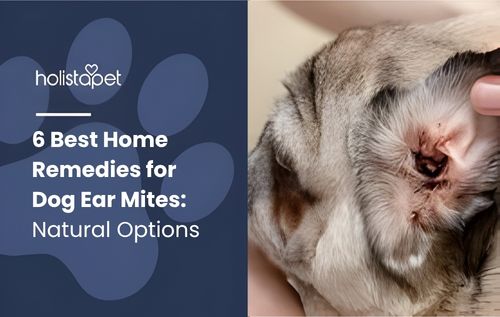
Dogs with ear mites scratch nonstop and shake their heads in discomfort, leaving many pet owners searching for quick relief at home. Safe, natural remedies can help ease irritation and support healing while tackling the mites early.
Safe, natural remedies can help ease irritation and support healing while tackling the mites early.
What are the Best Home Remedies for Dog Ear Mites?

Dog ear mites respond well to simple home remedies that clean the ears, ease irritation, and help remove mites early before symptoms get worse.
|
Remedy |
Main Benefit |
Best For |
Caution |
|
Mineral Oil |
Targets and smothers mites |
Active infestations |
Use in controlled amounts |
|
Apple Cider Vinegar |
Cleans and balances ear pH |
Mild cases |
Avoid on irritated skin |
|
Aloe Vera |
Soothes and repairs skin |
Red, itchy ears |
Use pure aloe only |
|
Coconut Oil |
Antimicrobial and moisturizing |
Dry, irritated ears |
Apply lightly |
|
Green Tea |
Gentle cleansing |
Routine car |
1. Mineral Oil Application
Mineral oil targets mites directly while softening buildup for easy removal.
- Smothers mites and limits their activity
- Loosens wax and debris inside the ear
- Apply a few drops and massage the ear base
- Wipe gently with clean cotton
Research in Veterinary Parasitology explains that occlusive oils can reduce parasite survival by cutting off airflow.
2. Apple Cider Vinegar Solution
Apple cider vinegar creates an environment that mites find difficult to tolerate.
- Mix equal parts vinegar and water
- Supports a balanced ear pH
- Helps clear dirt and residue
- Avoid using apple cider vinegar when skin appears raw or damaged.
Studies in Applied Microbiology highlight vinegar’s ability to limit microbial growth due to its acidity.
3. Aloe Vera Soothing Gel
Aloe vera calms irritated skin and helps restore comfort inside the ear.
- Reduces itching and redness
- Delivers a cooling, soothing effect
- Apply a small amount with a cotton pad
- Choose pure aloe with no additives
Dermatology research points to compounds like acemannan that support skin repair and reduce inflammation.

4. Coconut Oil Treatment
Coconut oil supports ear health with natural antimicrobial and soothing properties.
- Contains lauric acid that helps fight microbes
- Breaks down buildup caused by mites
- Moisturizes dry and irritated skin
- Warm slightly before use for better absorption
A study in the Journal of Medicinal Food links coconut oil to antimicrobial effects due to its fatty acid content.
5. Herbal Green Tea Rinse
Green tea gently cleans the ear while adding antioxidant support.
- Brew tea and let it cool fully
- Flush small amounts into the ear canal
- Helps remove debris and soothe irritation
- Prepare fresh tea each time
Research in Frontiers in Microbiology shows that catechins in green tea provide antimicrobial support.
6. CBD Ear Support Solutions
CBD may help reduce itching and calm irritation linked to mite infestations. At HolistaPet, carefully crafted products focus on natural relief and skin balance without harsh ingredients. Dogs whose ear irritation disrupts nighttime rest may also benefit from melatonin for dog sleep, when recommended by a veterinarian, as part of an overall calming routine.
- Helps reduce itching and inflammation
- Supports the body’s natural response to irritation
- Works well alongside topical care
- CBD oil products for dogs may help support skin comfort and a healthy inflammatory response when used alongside topical ear care.
- Available as THC-free dog treats may help promote calm behavior in dogs bothered by persistent ear irritation.
Studies in Frontiers in Veterinary Science show that cannabinoids interact with receptors involved in inflammation and skin health.
Do I Need to Deal with Dog Ear Mites Right Away?

Yes, immediate action matters. Ear mites spread quickly, cause intense discomfort, and can lead to infections if left untreated.
- Ear mites reproduce rapidly inside the ear canal when untreated.
- Constant scratching can break the skin and invite bacterial infections. If itching also causes anxiety or restlessness, our guide on nervous dog easy calming remedies offers additional natural ways to help your dog relax.
- Head shaking may lead to ear hematomas, which often require veterinary care
- Delayed care increases inflammation and makes treatment more difficult
Research from the American Veterinary Medical Association explains that untreated ear mite infestations often progress into secondary infections due to tissue damage and microbial overgrowth. If your dog develops additional symptoms such as dry heaving, prompt veterinary evaluation is recommended because multiple health conditions may be involved.
Do not ignore early signs. Quick intervention helps stop the cycle before complications develop.
- Dark debris that resembles coffee grounds inside the ear
- Strong odor coming from the ear canal
- Frequent scratching or rubbing against surfaces
- Sensitivity when touching the ears
Veterinary dermatology studies highlight that early-stage infestations respond faster to treatment, reducing the risk of chronic ear conditions.
What are the Signs to Check for Ear Mites on My Dog?

Ear mites show clear, visible signs. Quick checks help confirm the issue early and prevent it from getting worse.
- Excessive scratching: Frequent pawing at the ears due to intense itching
- Head shaking: Repeated shaking caused by irritation inside the ear canal
- Dark ear debris: Black or brown buildup that looks like coffee grounds
- Strong odor: Unusual smell coming from the ears due to irritation or infection
- Redness and inflammation: Inner ear appears swollen or irritated
- Hair loss around ears: Constant scratching leads to patchy fur loss
- Sensitivity to touch: Dog reacts when the ears are handled
When Should I Take My Dog to the Vet for Ear Mites?

Seek veterinary care when symptoms worsen, fail to improve, or show signs of complications. Home care helps early cases, but some situations require medical treatment.
- Symptoms persist after several days of care
- Intense scratching leads to wounds or bleeding
- Thick discharge or foul odor continues
- Swelling develops around the ear flap
Delays can lead to infections that require prescription medication. The American Kennel Club notes that untreated ear conditions often progress into bacterial or yeast infections that need targeted treatment.
Watch for signs that indicate deeper issues beyond mites.
- Loss of balance or coordination
- Head tilting to one side
- Signs of pain when opening the mouth
- Reduced hearing or lack of response
Veterinary sources explain that these symptoms may point to inner ear involvement, which needs prompt diagnosis and care.
Puppies, senior dogs, and pets with weakened immunity need faster intervention since their bodies handle infections less effectively. For a broader understanding of how the immune system works in dogs and why some pets are more vulnerable, the VCA: Immune System Overview in Dogs offers a trusted clinical reference.
Canine Ear Mites are a Real Nuisance
Monitor symptom changes daily. If scratching, discharge, or irritation increase after 48–72 hours of home care, consult a veterinarian for diagnosis and appropriate parasitic treatment.
Explore more at-home dog treatments for natural ways to support your dog's health, comfort, and recovery.
Frequently Asked Questions
What are ear mites in dogs and how do they affect a dog’s ears?
Ear mites in dogs are tiny parasites (microscopic parasites) that live inside a dog’s ear canal, especially the outer ear canal. These mites feed on oils and debris, leading to intense itching, inflammation, and irritation in a dog’s ears.
A common sign is dark debris that resembles coffee grounds, often mixed with ear discharge. This buildup can block the ear canal and irritate the ear skin, making your furry friends uncomfortable.
If left untreated, a mite infestation can spread to the other ear and even affect other pets in the household.
What are the most common symptoms of ear mite infestations?
Ear mite infestations are easy to spot if you know what to look for. Dog owners should watch for:
- Excessive scratching and persistent scratching
- Frequent head shaking and droopy ears
- Dark discharge or debris that looks like coffee grounds
- Itchy ears and sensitivity in the dog’s ear canal
- Hair loss around the ears due to irritation
- A foul smell caused by bacteria in the ear canal
In severe cases, untreated infestations can lead to secondary ear infections, balance issues, or even tremors seizures ataxia.
How do veterinarians diagnose ear mites?
To properly diagnose ear mites, a vet performs a proper diagnosis using an otoscope to examine the dog’s ear canal. Sometimes, a sample of debris is checked under a microscope to confirm the presence of these tiny parasites.
Since symptoms can overlap with ear infections, getting a professional diagnosis is important before starting any dogs treatment.
Can humans catch ear mites from dogs?
Many pet owners worry about this, but humans catch ear mites very rarely. While mites can briefly affect humans, they do not survive long on human skin.
Still, maintaining hygiene and cleaning your dog’s environment helps reduce any risk from infested animals.
What are the best home remedies for ear mites in dogs?
There are several home remedies and natural home remedies that may help in early cases of ear mite infestations. Popular options include:
-
Olive oil: Adding a few drops into the ear canal can help suffocate mites and loosen debris
-
Garlic oil (from crushed garlic cloves): Known for its antibacterial and antifungal properties
- Green tea rinse (made from loose green tea or a tea bag): Helps clean the ear and soothe irritation
- Tea tree oil (used carefully): Acts as a natural antiseptic with antimicrobial benefits
To apply, use a cotton ball and gently clean the dog’s ears regularly. These remedies for ear mites can help remove buildup and reduce irritation.
However, avoid overuse and over cleaning, as it may damage the ear canal.
How can I prevent ear mites in my dog?
To prevent ear mites, pet owners should focus on hygiene and routine care:
- Clean your dog’s ears regularly using safe natural cleaning supplies
- Check your dog’s ears regularly for early signs
- Keep your dog’s environment clean and free from parasites
- Avoid contact with infested animals
- Monitor all other pets in the home
Adding vet-recommended probiotics for dogs may also help support digestive and immune health as part of a complete wellness routine. For expert-backed tips on strengthening your dog's natural defenses, the AKC: How to Boost Your Dog's Immune System is a helpful resource for proactive pet owners.








1 comment
Suzanna Sawyer
I didn’t know that you might could be contagious I really appreciate that to know now
Leave a comment
All comments are moderated before being published.
This site is protected by hCaptcha and the hCaptcha Privacy Policy and Terms of Service apply.