


Yeast infections make dogs itch, lick, and smell fast. You can ease mild cases at home with vet recommended options like antifungal baths, diluted apple cider vinegar rinses, broad-spectrum CBD oil, and probiotics. Follow these steps to treat mild dog yeast infections safely.
Key Takeaways
- Mild dog yeast infections may respond to simple home remedies when caught early.
- Identifying the affected area and possible cause helps you choose the right treatment approach.
- Daily hygiene, moisture control, and proper nutrition can reduce the risk of future flare ups.
- Some infections require veterinary care, especially if symptoms worsen or keep returning.
- Early treatment helps relieve discomfort and supports faster recovery.
What are Yeast Infections in Dogs?
A yeast infection in dogs occurs when yeast organisms on the skin or in the ears grow out of control. These organisms normally stay balanced with good bacteria in the dog's immune system, but excess moisture, environmental allergens, or a weakened immune response can cause yeast to thrive and develop yeast overgrowth.
This can lead to skin yeast infections or ear yeast infections that require proper treatment.
Are There Different Dog Yeast Infections?
Yes. Yeast infections can affect different parts of a dog's body, and the symptoms often depend on the affected area. The ears, skin, and paws rank among the most common sites.
Ear Yeast Infection
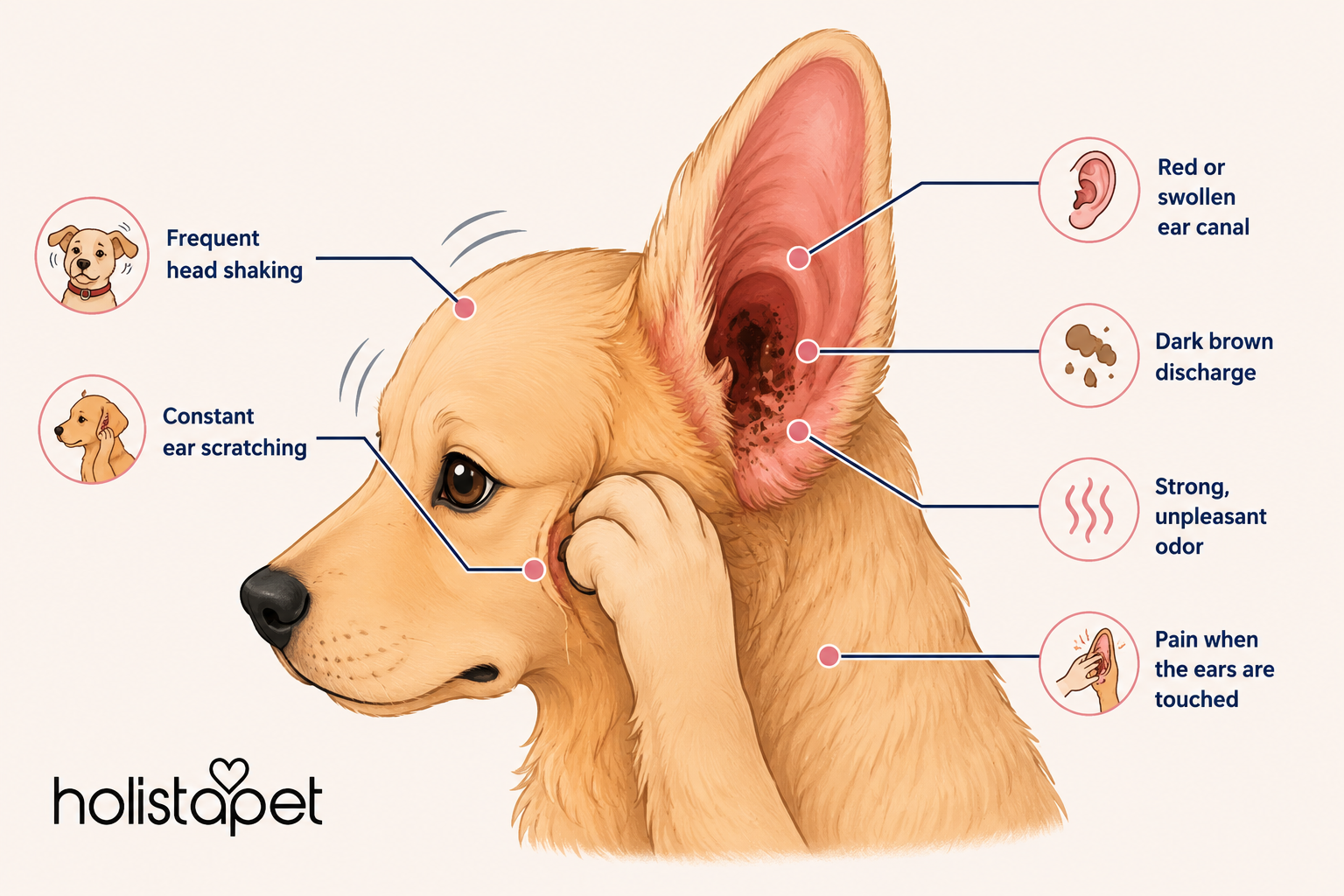
Ear yeast infections develop inside the ear canal and often cause irritation and discomfort. A dog shows signs that usually focus around the ears.
- Frequent head shaking
- Constant ear scratching
- Hair loss around the ears
- Red or swollen ear canal
- Dark brown discharge
- Strong, unpleasant, and musty odor
- Pain when the ears are touched
Skin Yeast Infection
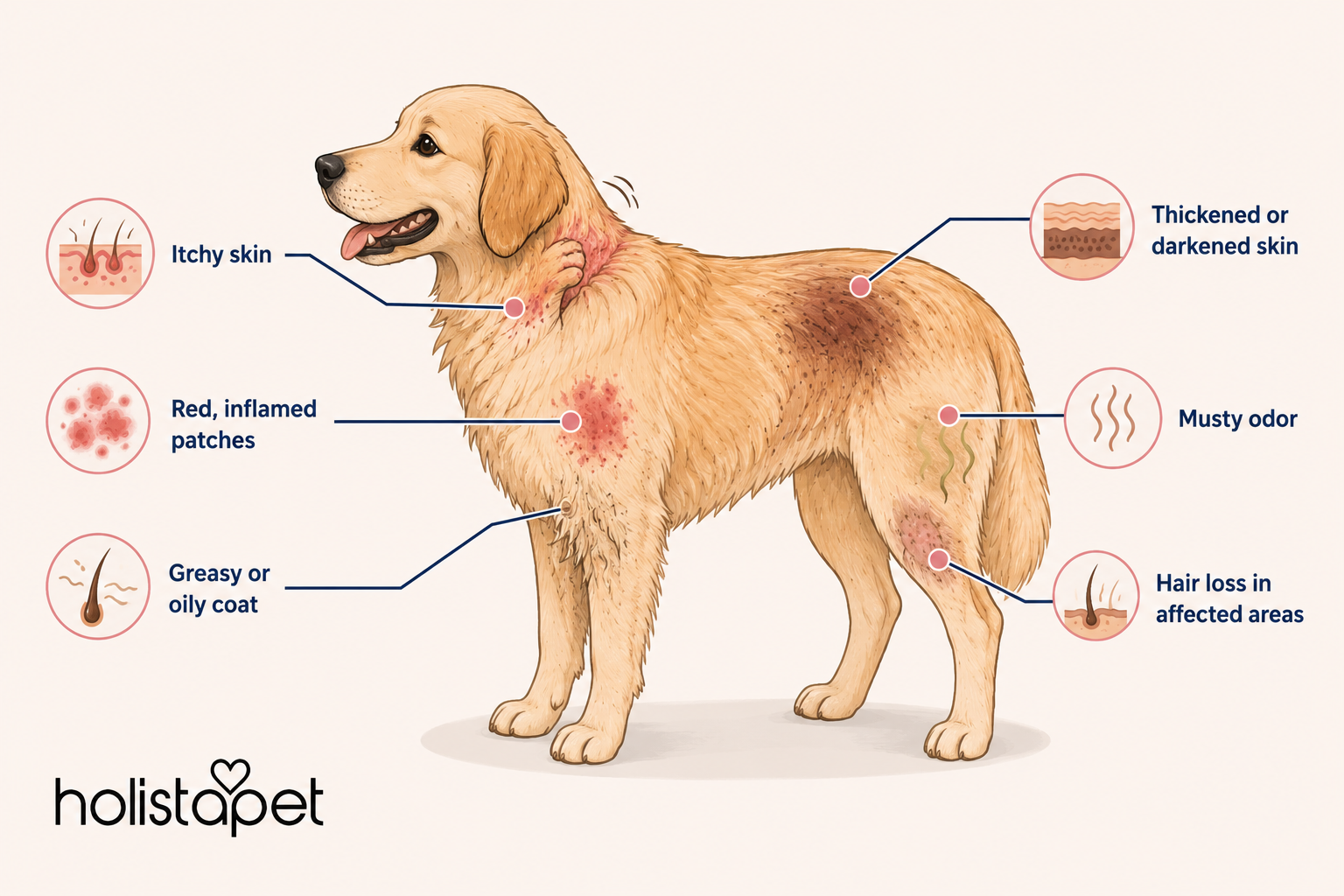
Skin yeast infections commonly appear in warm, moist areas where yeast can multiply. They often cause ongoing irritation that affects the dog's comfort.
- Itchy skin
- Red, inflamed patches
- Greasy or oily coat
- Thickened or darkened skin
- Musty odor
- Hair loss in affected areas
Paw Yeast Infection
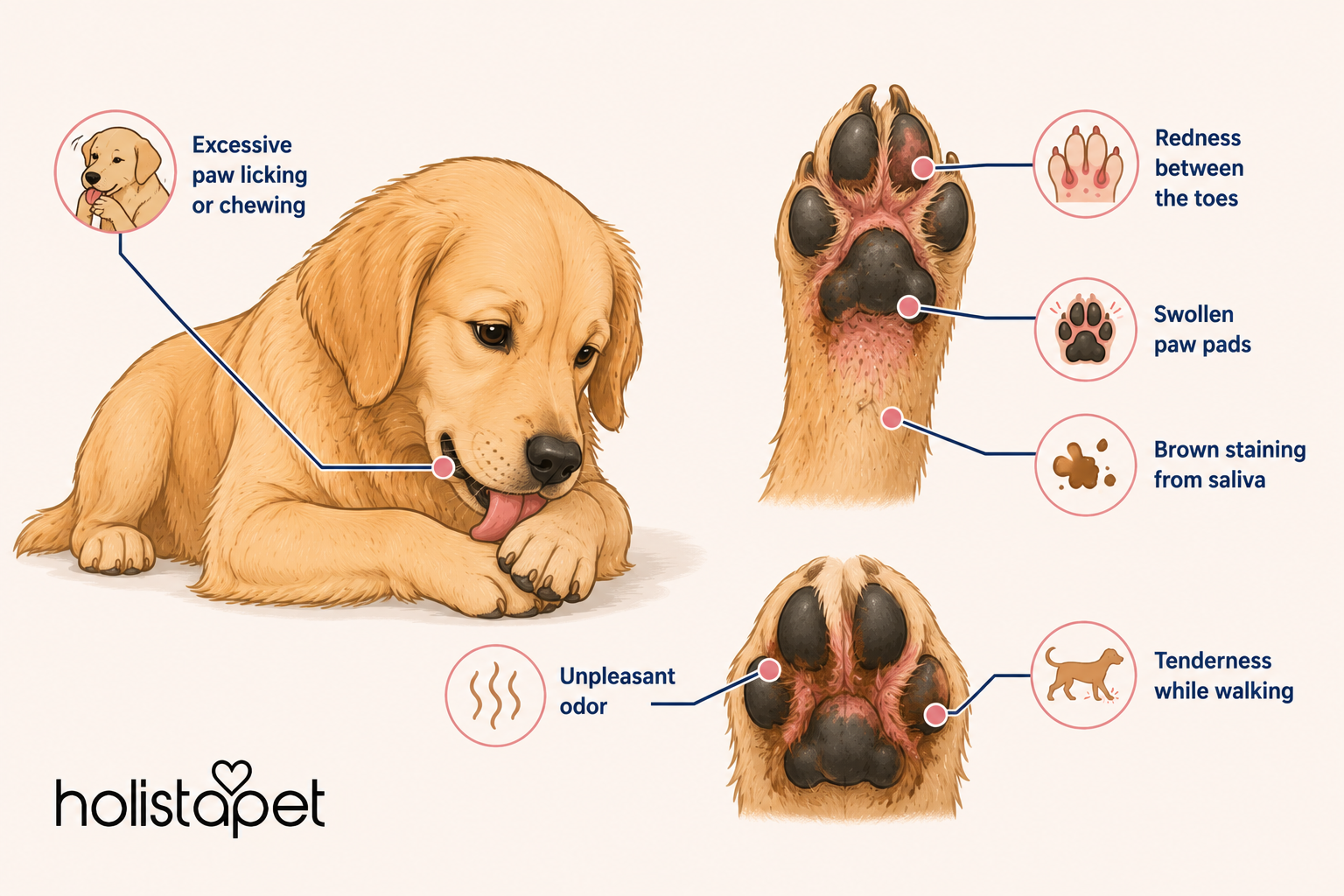
Yeast can also grow between the toes and around the paw pads. Dogs often lick their paws in response to the irritation.
- Excessive paw licking or chewing
- Redness between the toes
- Swollen paw pads
- Brown staining from saliva
- Unpleasant odor
- Tenderness while walking
How Do I Identify Ear Mites from Yeast Infections?

Ear mites and ear yeast infections both affect the ears, but they show clear differences in discharge, behavior, and how quickly symptoms appear. Ear mites spread between animals and cause sudden irritation. An ear yeast infection develops from yeast overgrowth linked to moisture, environmental allergens, or issues in the dog's immune system.
Signs of Ear Mites
- Very dark debris: Dry, coffee ground like discharge
- Severe scratching: Constant pawing at the ears
- Head shaking: Frequent and forceful
- Contagious spread: Other pets show similar symptoms
Signs of a Yeast Infection
- Brown or yellow discharge: Thick and sometimes greasy, may include green discharge in advanced cases
- Strong odor: Musty or sour smell
- Red, inflamed ear canal: Swollen tissue with irritated skin
- Chronic pattern: Often tied to recurrent yeast infections or other skin diseases
A veterinary technician or veterinarian can confirm the cause with an ear swab and microscopic exam. Proper diagnosis helps treat yeast infection correctly and prevent future infections.
Which Breeds are More Prone to Yeast Infections?
Certain breeds carry a significantly higher risk for yeast infections due to structural traits like skin folds and floppy ears. The American Kennel Club identifies Cocker Spaniels, Bulldogs, and West Highland White Terriers among breeds most susceptible to recurring skin and ear infections.
Breeds with Floppy Ears
These dogs trap moisture inside the ear canal.
- Cocker Spaniels: Narrow ear canals and heavy ears.
- Basset Hounds: Long ears that limit airflow.
- Labrador Retrievers: Frequent swimmers with moist ears.
- Golden Retrievers: Prone to allergies that trigger overgrowth.
Breeds with Skin Folds
Skin folds hold moisture and heat.
- Bulldogs: Deep facial and body folds.
- Shar Peis: Thick, folded skin.
- Pugs: Compact folds around the face.
Breeds Prone to Allergies
Allergies often fuel recurring yeast problems.
- West Highland White Terriers: Sensitive skin.
- Boxers: Common environmental allergies.
- Shih Tzus: Frequent skin irritation issues.
Any dog can develop a yeast infection, but these breeds face higher risk due to structure and genetics.
What are the Causes of Dog Yeast Infections?

Yeast organisms multiply when something disrupts the natural balance on a dog’s skin. These changes allow yeast to thrive, especially in moist environments, and can lead to yeast dermatitis or other fungal infection issues.
Key triggers include:
- Allergies: Environmental allergens or food sensitivities inflame the skin and weaken the dog's immune system.
- Moisture: Wet ears or damp skin create ideal conditions for yeast overgrowth.
- Immune system weakness: Reduces the body’s ability to control harmful fungi.
- Hormonal imbalances: Conditions such as hypothyroidism can trigger recurrent infections.
- Antibiotics: Disrupt good bacteria in the digestive tract, which allows yeast organisms to grow unchecked and cause secondary infections.
- Poor hygiene: Buildup of dirt and oils on the dog's coat supports yeast growth.
Does Diet Affect Canine Yeast Infections?
Yes. Diet can play an important role in managing canine yeast infections, especially when food allergies or nutritional imbalances contribute to the problem.
A healthy diet that avoids unnecessary fillers and excessive starchy carbohydrates may help support a healthier dog, while a hypoallergenic diet can benefit dogs with food sensitivities.
What are the Popular Home Remedies for Canine Yeast Infections?

Mild yeast infections respond well to targeted home and over-the-counter treatments. Use them according to guidelines and monitor your dog closely.
1. Apple Cider Vinegar Rinse
Diluted apple cider vinegar may create an acidic environment on the skin that actively inhibits yeast proliferation. A study indexed by the National Library of Medicine found that acetic acid, the active component in apple cider vinegar, demonstrates antifungal properties against Candida species.
- Mixing ratio: Combine equal parts vinegar and water.
- How to use: Apply to affected skin with a cloth.
- Avoid: Open wounds or raw skin.
2. Antifungal Dog Shampoo
Medicated shampoos may target yeast directly and reduce skin buildup. Apply every 3-5 days and leave on for 10 minutes before rinsing.
- Look for: Ingredients like miconazole or ketoconazole.
- Bath frequency: Use two to three times weekly for mild cases.
- Contact time: Leave on the skin for ten minutes before rinsing.
3. Probiotics
Dog-specific probiotic supplements support gut health, which may help maintain normal yeast levels internally. Give daily according to weight guidelines.
- Purpose: Promote healthy bacteria.
- Form: Use dog specific probiotic supplements.
- Consistency: Give daily for best results.
4. Coconut Oil
Organic coconut oil contains natural antifungal properties, which may help with yeast infections. Apply thin layers to affected areas or mix small amounts into food if approved by a vet. Monitor for digestive upset.
- Topical use: Apply a thin layer to affected areas.
- Internal use: Add small amounts to food if approved by a vet.
- Monitor: Watch for digestive upset.
5. Moisture Control & Ear Cleaning
Use vet-approved solutions to keep ears dry and clean. Wipe skin folds daily to prevent yeast overgrowth.
- Dry ears thoroughly: After swimming or bathing.
- Clean regularly: Use a vet approved ear cleaner.
- Keep folds dry: Wipe skin folds daily.
Related Post: Dog Staph Infection Home Remedies
Other Effective Treatments for Yeast Infection in Dogs
Several veterinary treatments can help control yeast infections, relieve discomfort, and reduce the chance of future flare ups.
- Prescription Antifungal Medications: Vets may prescribe oral antifungal medications for moderate to severe infections. These medications help kill yeast throughout the body and work well for dogs with recurring infections.
- Medicated Ear Drops: Prescription ear drops provide antifungal and anti inflammatory benefits. They reduce swelling, clear ear infections, and ease discomfort inside the ear canal.
- Anti Allergy Management: Managing allergies helps lower the risk of recurring infections. Vets may recommend antihistamines, a hypoallergenic diet, or other treatments to support the dog's health.
- Hormonal Treatment: Dogs with hormonal imbalances need proper medical care. Treating the underlying cause helps control yeast overgrowth and reduce future infections.
- Professional Ear Cleaning: Vets remove debris and excess moisture from the ear canal through deep cleaning. This treatment improves recovery and helps prevent future infections.
Home Care Vs Veterinary Care
|
Home Care |
Veterinary Care |
|---|---|
|
Uses natural remedies and routine hygiene to support healing. |
Identifies the underlying cause through cytology or culturing. |
|
May help reduce irritation and improve comfort. |
Prescribes oral antifungal medications or topical treatments when needed. |
|
Includes cleaning affected areas and improving the dog's food if appropriate. |
Treats severe or recurring infections with targeted veterinary medicine. |
|
Works best for mild cases or as supportive care. |
Addresses persistent infections and helps prevent complications. |
|
Does not replace professional medical advice or prescription treatment. |
Provides a complete treatment plan based on the dog's condition. |
Home care may help improve comfort and support recovery, but it usually does not replace a proper diagnosis or prescription treatment from a veterinarian.
Related Post: Dog Hair Loss Home Remedies: Top 6 Solutions for Fur Babies
How Do I Prevent Further Yeast Problems in Dogs?

Prevent yeast problems by keeping the dog clean, dry, and on a healthy diet. Dry the ears and skin thoroughly after baths or swimming, clean the ears regularly with a vet approved solution using a cotton ball, and wipe skin folds daily to reduce excess moisture where yeast thrives in the dog’s body.
Many dogs develop issues in their natural environment, especially after flea bites or frequent baths that affect coat quality. Watch for early signs such as a corn chips smell, hair loss, or when the dog shakes, as skin begins to show irritation linked to malassezia dermatitis or an ear infection.
Dog owners can use an anti fungal shampoo with ingredients like selenium sulfide to help manage buildup on the skin. Some treatments with antifungal properties work by targeting yeast cell walls and can be applied topically when needed. Avoid overuse of products like tea tree oil unless guided by a professional.
These steps help most dogs avoid developing yeast infections and support long term skin and ear health.
When to Go to the Vet for Canine Yeast Infections?

Seek veterinary care when home remedies fail or symptoms worsen. Early treatment prevents complications and chronic skin damage.
Go to the vet if you notice:
- Severe redness or swelling: Painful or rapidly spreading inflammation.
- Open sores: Cracked, bleeding, or oozing skin.
- Persistent head shaking: Ongoing ear discomfort after cleaning.
- Thick discharge: Heavy buildup that returns quickly.
- Behavior changes: Lethargy, irritability, or loss of appetite.
- Recurring infections: Repeated flare ups within weeks.
A vet can confirm the diagnosis, rule out mites or bacterial infections, and prescribe targeted treatment to stop the overgrowth.
Can CBD Help with Dog Yeast Infections?
CBD cannot kill yeast or treat the underlying cause of a yeast infection, but it may help support overall wellness and comfort during recovery. At HolistaPet, CBD products like CBD Calming Chews and CBD Oil for Dogs support a normal inflammatory response and promote a balanced immune system as part of a broader care plan.
For the best results, pair CBD with proper veterinary care that addresses the root cause of the infection.
Related Post: 7 Natural Home Remedies for Dog Mange and How to Apply Them
Frequently Asked Questions
Can yeast infections come back after treatment?
Yes. Yeast infections can return if the underlying cause remains untreated. Regular grooming, proper ear care, and follow up with a veterinarian can help reduce the risk of future flare ups.
Can puppies get yeast infections?
Yes. Puppies can develop yeast infections, although they are less common than in adult dogs. Allergies, moisture, and weakened immune function can increase the risk.
Can dog yeast infections spread to humans?
Dog yeast infections rarely spread to humans. Healthy people face very low risk, but those with weakened immune systems should practice proper hygiene after handling an infected pet.
Are dog yeast infections contagious to other dogs?
Most yeast infections do not spread between dogs because yeast normally lives on the skin. Dogs usually develop infections after an imbalance allows yeast to grow out of control.
Can swimming increase the risk of a yeast infection?
Yes. Water trapped in the ears or coat creates a moist environment where yeast can multiply. Drying the ears and skin after swimming helps lower the risk.
How long does it take for a dog yeast infection to clear up?
Mild cases may improve within 2-12 weeks with proper treatment. Oral medications may be required for deep yeast infections.
Is it safe to use hydrogen peroxide in a dog’s ears?
Avoid hydrogen peroxide for routine ear cleaning. It can irritate the ear canal and delay healing, especially if inflammation already exists.
Can stress trigger yeast flare ups in dogs?
Stress can affect immune balance, which may increase the risk of flare ups. Supporting overall wellness helps maintain stability.
Final Thoughts
Dog yeast infections respond well to early action and proper care. Use targeted home remedies for mild cases, support skin and gut health daily, and seek veterinary treatment when symptoms persist or worsen.
Consistent prevention and prompt treatment help keep flare ups under control.






8 comments
Donna
I have a shihtzu with chronic dermatitis. I use both 1Cup apple cider vinegar in her bath water and after she’s dry I melt about Tbl spoon of cool Coconut oil and massage on her coat sparingly. This doesn’t cure her, however, she shows signs of comfort and relief for a few days. And, if I can recommend a good book The Forever Dog which has been a huge resource in animal care. Good luck. Donna B
Gary Elnor
What ratio of coconut oil to apple cider vinegar please as I can’t afford the veterinary care bills as a pensioner
Linda Lenore
Thanks for this information!! I will definitely try them all!!!
Leave a comment
All comments are moderated before being published.
This site is protected by hCaptcha and the hCaptcha Privacy Policy and Terms of Service apply.