


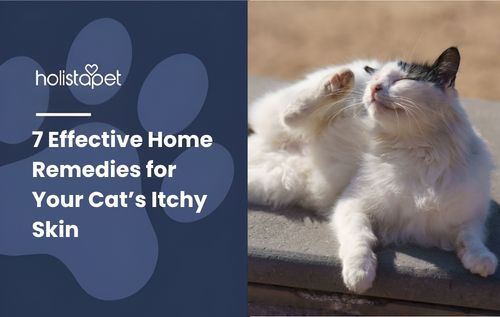
Constant scratching, licking, biting, head shaking, and overgrooming can signal itchy skin. Mild irritation may improve with gentle support, but recurring or intense itching needs veterinary attention because many conditions cause the same symptom.
Safe home care focuses on preventing self-trauma, keeping the coat and environment clean, supporting the skin barrier, and reducing stress. Do not delay care when a cat has wounds, hair loss, crusting, discharge, swelling, or signs of illness.
Key Highlights
- Itchy skin in cats can be caused by fleas, mites, food allergies, environmental allergens, dry skin, infections, stress, or other medical conditions.
- Safe home care focuses on preventing self-trauma, keeping the coat and environment clean, supporting the skin barrier, and reducing stress.
- Helpful home remedies may include vet-approved flea control, gentle brushing, colloidal oatmeal rinses, cool damp compresses, nutrition support, and environmental cleaning.
Why Is My Cat’s Skin Itchy?

A cat may itch because something irritates the skin or triggers an immune reaction. Scratching can then cause inflammation, hair loss, sores, or crusts. Owners who notice rough bumps may also find the HolistaPet guide to scabs on cats helpful.
Fleas and Other Parasites
Fleas are a leading consideration, even in indoor cats. Flea allergy dermatitis may cause severe itching, overgrooming, and crusted bumps around the head, neck, back, tail base, or thighs. Owners may not see live fleas because cats groom efficiently. Long-term control usually requires treating every pet and the environment.
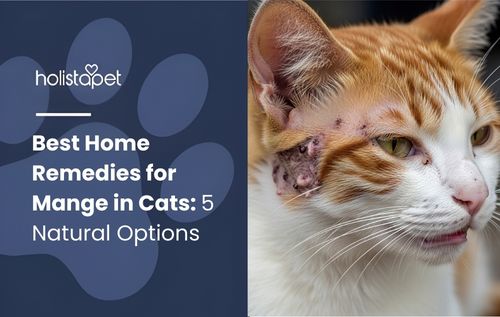
Mites can also cause itching. Ear mites often lead to head shaking, ear scratching, and dark debris, while notoedric mange may cause severe itching, crusting, and hair loss around the ears, face, and neck. Learn more in HolistaPet’s guide to managing cats. Mange needs a veterinary diagnosis and targeted parasite treatment.
Food Allergies
Food allergy can cause persistent itching, especially around the face, ears, and neck, although other body areas may be affected. Some cats also develop vomiting or diarrhea. A cat can become allergic to an ingredient it has eaten for years, so a familiar diet does not automatically rule food allergy out.
Environmental Allergies
Pollen, mold, dust mites, and other environmental substances may contribute to feline allergic skin disease. Symptoms may be seasonal or present year-round. Environmental allergy is usually considered after parasites, infection, and food-related causes have been investigated.
Dry Skin and Skin-Barrier Problems
Low humidity, excessive bathing, harsh grooming products, poor coat care, or an unbalanced diet may contribute to flaky or dry skin. In contrast, a high-quality, complete diet helps support the protective barrier and immune system, leading to better overall health. Dryness can increase discomfort, but pronounced itching should not automatically be blamed on dry air, as allergies, parasites, and infections are more common causes.
Infections and Other Conditions
Bacterial or yeast overgrowth may develop after repeated scratching damages the skin. Ringworm, ear disease, wounds, contact irritation, pain, and immune-mediated or hormonal conditions may also produce skin changes. Stress can contribute to overgrooming, but behavioral causes should be considered only after medical causes have been assessed.
What Are the Best Home Remedies for a Cat’s Itchy Skin?

Home care should be gentle and easy to stop if the skin worsens. Common remedies pet parents often ask about include Coconut Oil and oatmeal baths, but most home remedies still need veterinary guidance. Do not apply human creams, essential oils, undiluted herbs, or dog flea medication. Concentrated essential oils can harm cats, chamomile can cause dermatitis or gastrointestinal signs, and some dog products containing permethrin are toxic to cats.
|
Remedy |
Main Purpose |
Best Used For |
Important Limit |
|---|---|---|---|
|
Vet-approved flea control |
Removes a common trigger |
Suspected or confirmed flea exposure |
Must be labeled for cats |
|
Gentle brushing and flea combing |
Removes debris and checks the coat |
Mild flakes or possible fleas |
Stop over-sore skin |
|
Colloidal oatmeal rinse |
Temporarily soothes dry irritation |
Mild, unbroken skin irritation |
Use a cat-safe product |
|
Cool damp compress |
Calms a small irritated area |
Localized redness or discomfort |
Not for infected or open wounds |
|
Vet-guided nutrition support |
Supports the skin barrier |
Dry coat or dietary imbalance |
Supplements require correct dosing |
|
Environmental cleaning |
Reduces fleas and irritants |
Recurring indoor exposure |
Does not replace medical treatment |
|
Stress reduction and cautious CBD support |
Supports calm behavior |
Stress-related overgrooming after medical causes are checked |
Evidence is limited; ask a veterinarian |
1. Use Consistent, Cat-Safe Flea Control
Even limited flea exposure can trigger substantial itching in a sensitive cat. Ask a veterinarian which product fits your cat’s age, weight, health, and exposure risk, since veterinarian-approved flea control is usually the best solution, and prescription medications are often more effective than over-the-counter options when fleas or flea allergy are driving the itch. Follow the label and keep household pets on appropriate prevention as your veterinarian advises.
Wash bedding and vacuum rugs and furniture. Because immature flea stages live away from the animal, treating only one cat may provide temporary relief. Never divide a dog dose or use a dog-only product on a cat.
2. Brush Gently and Check the Coat
Gentle brushing removes loose hair and debris while helping owners notice fleas, mats, scabs, swelling, or tender areas; regular coat checks can also help pet parents spot feline acne on the chin, especially in long-haired cats, where changes in the cat's skin are easier to miss. Use a soft brush, avoid pulling at crusts, and pass a flea comb slowly around the neck, lower back, and tail base.
Stop if the cat becomes distressed or bleeds. A veterinarian or experienced groomer should remove tight mats because scissors can cut feline skin.
3. Try a Vet-Approved Colloidal Oatmeal Rinse
A cat-safe colloidal oatmeal shampoo, mousse, or rinse may temporarily soothe mild dryness when the skin is intact. Choose a fragrance-free veterinary product and follow the label. Colloidal oatmeal is commonly included in soothing and moisturizing veterinary shampoos, but the formula must still be appropriate for cats.
Because many cats find baths stressful, a leave-on product or localized rinse may be easier. Oatmeal cannot treat fleas, infection, ear disease, open sores, or intense itching.
4. Apply a Cool, Damp Compress
For one small area of mild redness, hold a clean cloth dampened with cool water against the skin for several minutes. Some veterinarians may allow a diluted apple cider vinegar topical application on a very small intact area, since it may soothe itchy skin, but never use it on open, infected, or very irritated skin. Do not scrub, wrap tightly, or apply ice directly.
Avoid compresses on punctures, draining sores, moist lesions, or foul-smelling areas. Those signs need veterinary examination.
5. Support Skin Health Through a Complete Diet
Feed a complete and balanced food appropriate for the cat’s life stage and keep fresh water available. Wet food may increase water intake in cats that drink little.
Omega fatty acids can support the skin barrier in some cats, but product and dose matter. Ask a veterinarian before adding fish oil or another supplement. Nutrition support cannot replace the diagnosis of an allergy or infection.
6. Reduce Irritants in the Home
Wash bedding with unscented detergent, keep litter boxes and sleeping areas clean, vacuum regularly, and reduce smoke, aerosols, and fragranced sprays.
A humidifier may help in very dry air, but it must be cleaned frequently. Make one environmental change at a time so improvement is easier to assess.
7. Create a Calmer Routine and Discuss CBD Support
Stress may worsen overgrooming. Provide hiding places, elevated resting areas, daily play, predictable meals, and enough resources for every cat. A veterinary behavior plan may be helpful for ongoing conflict, fear, or compulsive grooming.
Some owners consider pet-formulated hemp products to support calm behavior. Before using CBD oil for cats, ask your veterinarian about potential interactions, appropriate monitoring, and whether it is suitable for your cat.
How Does a Veterinary Elimination Diet Work?
An elimination diet is a structured diagnostic trial, not a casual food switch or a do-it-yourself diagnosis. A veterinarian selects a complete diet containing a hydrolyzed protein or ingredients that the cat has not previously eaten. The cat must receive only the prescribed food and water, with no flavored medication, table scraps, treats, or access to another pet’s bowl.
Cornell notes that a strict novel-protein trial may need to continue for at least eight to ten weeks. If the itching improves, the veterinarian may recommend a controlled food challenge to determine whether symptoms return after the previous diet or an individual ingredient is reintroduced.
Do not rely on an over-the-counter “limited ingredient” food without veterinary direction, and do not formulate a home-cooked elimination diet unless a veterinary nutrition professional has balanced the recipe.
What May a Veterinarian Check or Test?

The veterinarian will begin with a physical exam and ask when the itching started, where it occurs, whether it is seasonal, what parasite prevention is used, what the cat eats, and whether there have been diet changes, as well as whether other pets or people in the home are itchy and what other signs you have noticed at home. The examination may include the coat, skin, ears, paws, mouth, and pattern of hair loss, which helps guide veterinary medicine decisions.
Depending on the findings, testing may include further tests chosen based on the exam to help sort among different skin conditions:
- Flea combing and parasite review: Looks for fleas, flea dirt, lice, or gaps in prevention.
- Skin scrapings or hair samples: Help identify mites and certain hair-shaft problems.
- Skin cytology: Checks cells and debris for bacteria, yeast, and inflammation.
- Fungal testing: A culture, lamp examination, or molecular test may be used when ringworm is possible.
- Ear examination and cytology: Evaluates mites, yeast, bacteria, and inflammation in the ear canal.
- Elimination diet trial: Investigates a possible food allergy after other causes are addressed.
- Bloodwork or urinalysis: May be recommended when systemic disease, medication safety, or another underlying cat skin problem is suspected.
- Biopsy or dermatology referral: May be appropriate for unusual, severe, or treatment-resistant lesions.
Environmental allergy testing is generally used to help plan allergen-specific immunotherapy after a clinical diagnosis has been made; it is not a simple screening test that proves why a cat is itchy. Cornell also notes that veterinarians may use bloodwork, skin scrapings, and allergy testing when investigating persistent allergic skin signs.
What Treatments May a Veterinarian Recommend?

Treatment depends on the diagnosis. A veterinarian may prescribe cat-safe parasite control, antimicrobial or antifungal medication, ear treatment, anti-inflammatory medication, cyclosporine, allergen-specific immunotherapy, or a therapeutic diet. An Elizabethan collar or recovery suit may be used temporarily to prevent further self-injury.
The goal is not only to reduce itching but also to control the underlying trigger and treat complications. Medication should never be borrowed from another pet or stopped early without instructions.
How Can I Help My Cat Recover?
Keep the cat indoors while the skin heals, administer medication exactly as directed, and prevent licking or scratching when advised. Barriers such as an Elizabethan collar, soft shirt, or nail-control measures may help prevent self-trauma while the skin heals. Photograph affected areas every few days under similar lighting so changes are easier to compare.
Please contact the veterinarian right away if the itching worsens, new lesions appear, or the cat develops poor appetite, vomiting, diarrhea, lethargy, facial swelling, breathing difficulty, pus, odor, pain, fever, or rapidly spreading redness. Kittens, senior cats, and immunocompromised cats should be assessed sooner.
Skin Care Is a Necessity for Felines Too
Itchy skin is a symptom, not a diagnosis. Gentle grooming, safe flea prevention, environmental care, nutritional support, and a calmer routine may help relieve mild discomfort, but persistent itching warrants veterinary evaluation.
Early treatment helps protect the skin barrier, reduce self-trauma, and prevent secondary complications. CBD or other wellness products should remain supportive options only and should never replace veterinary care.
Frequently Asked Questions
Do Weather Changes Affect a Cat’s Skin?
Yes. Dry indoor air may contribute to flaky skin, while seasonal pollen or mold may worsen environmental allergy in susceptible cats. Persistent or severe itching still needs evaluation.
How Often Should I Groom a Cat With Itchy Skin?
Brush several times a week gently if the skin is not painful or broken. Stop if brushing increases redness, distress, or bleeding.
Can Indoor Cats Get Fleas or Itchy Skin?
Yes. Fleas may enter on people, other pets, or objects, so an itchy cat can still be an indoor pet dealing with fleas, mites, or infection, while outdoor cats face a higher risk of picking up parasites.
When Should I Bring My Cat to the Veterinarian?
Arrange an appointment when itching lasts more than a few days, repeatedly returns, interrupts sleep, or causes hair loss, scabs, wounds, or behavior changes; a vet visit is warranted sooner if your cat cannot groom normally, develops mats, or has persistent chin lesions that may suggest feline acne. Seek urgent care for facial swelling, breathing trouble, severe pain, weakness, or rapidly worsening skin damage.
Can I Put Aloe Vera, Coconut Oil, or Essential Oils on My Cat?
Aloe vera or coconut oil may occasionally be used if a veterinarian approves a cat-safe product. Still, most home remedies are not well studied in cats, and essential oils remain risky. Cats groom treated areas, and natural substances can irritate the skin, cause stomach upset, or be toxic. Essential oils are particularly risky in concentrated form.
Do Air Purifiers Help Cats With Skin Allergies?
A properly maintained purifier may reduce some airborne particles, but it cannot diagnose or treat feline allergy. It works best as one part of an environmental plan recommended by a veterinarian.
Final Thoughts
Itchy skin in cats can have many causes, including fleas, food allergies, environmental allergens, dry skin, parasites, and infections. Gentle home care may provide temporary comfort, but it should not replace identifying and treating the underlying problem.
Use only cat-safe products, keep up with veterinarian-approved flea prevention, and watch closely for wounds, hair loss, swelling, discharge, or worsening discomfort. Contact a veterinarian when itching persists, repeatedly returns, or affects your cat’s appetite, sleep, or behavior.
With early attention, consistent care, and proper veterinary guidance, most cats can receive the support they need to feel more comfortable and protect their skin. CBD and other wellness products should be considered supportive options only and should never replace veterinary diagnosis or prescribed treatment.
For more natural solutions that support feline wellness, browse our collection of at-home cat treatments.







2 comments
Laura Blanton
I am also going to try home remedy. The camomile and lavender in spray bottle. Wish us luck.🐱
Cat
Thank you so much! I grow a lot of the herbs suggested so I’m hopeful to be able to give my poor itchy kitty relief soon. I’m going to be trying a topical, diluted wash of chamomile, aloe, peppermint, rosemary and oregano. Should do the trick for getting rid of the damn fleas and soothing his skin at the same time. Hoping he sees relief soon! Thanks again!
Leave a comment
All comments are moderated before being published.
This site is protected by hCaptcha and the hCaptcha Privacy Policy and Terms of Service apply.