

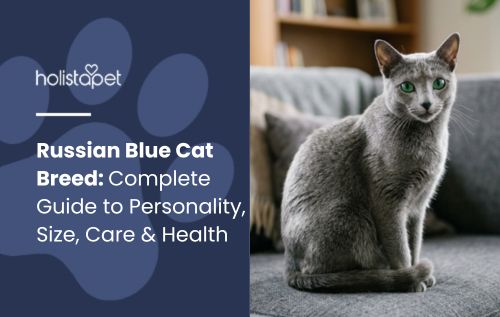
The Russian Blue cat is a popular breed known for its shimmering blue-gray coat, vivid green eyes, and gentle personality. Originally believed to have come from northern Russia, this elegant cat is admired for its intelligence, loyalty, and affectionate nature. Russian Blue cats tend to form strong bonds with their families while maintaining an independent streak, making them excellent companions for many households. When considering their overall wellness, some owners also explore the benefits of cbd oil for cats as part of a broader approach to supporting calm behavior and comfort. If you're still exploring options, browsing choosing a cat breed can help you find the right match.
Russian Blue Cat Breed Origin & History
 The Russian Blue has a fascinating history surrounded by folklore and mystery. Many historians believe the breed originated in the Archangel Isles of northern Russia, where harsh winters may have contributed to the development of its dense double coat. Some stories also suggest that similar cats were once favored by Russian royalty.
The breed was introduced to England in the mid-1800s by sailors arriving from Russian ports. Russian Blues made their first documented appearance at a cat show held at London's Crystal Palace in 1875, where they were initially exhibited alongside other blue-colored cats.
By 1912, the breed had earned its own competitive classification in England and Scandinavia. Breeders later refined the Russian Blue's appearance and temperament, and the breed eventually gained popularity in North America. Following World War II, breeding programs combined European and American bloodlines to help preserve and strengthen the breed.
What Is the Russian Blue Cat Personality Like?
 Russian Blue cats are known for being quiet, intelligent, and affectionate. While they may appear reserved around unfamiliar people, they often form deep bonds with their family members.
These cats enjoy spending time with their favorite humans and may follow them from room to room throughout the day. Many Russian Blues greet their owners at the door and enjoy relaxing nearby on the couch or bed.
Although affectionate, they are not usually considered overly demanding. Their independent nature allows them to tolerate periods alone better than some other cat breeds, which is a quality also shared by many of the 15 calm cat breeds suited for quieter households. However, they still appreciate regular interaction, playtime, and companionship.
Because Russian Blues can be sensitive to loud noises and sudden changes, they generally thrive in calm, predictable environments.
Russian Blue Breed Characteristics
 Russian Blue cats are elegant, athletic, and well-proportioned. Their striking appearance is highlighted by a plush blue-gray coat and vivid green eyes.
Size
Russian Blues are medium-sized cats with long, muscular bodies and fine bones. Most adults weigh between 7 and 15 pounds and stand approximately 10 inches tall.
Head
The breed has a smooth, wedge-shaped head with a straight profile and a gently rounded muzzle. Their long neck contributes to their graceful appearance.
Eyes
One of the Russian Blue's most recognizable features is its bright green eyes. The vivid eye color creates a striking contrast against the breed's blue-gray coat.
Ears
Russian Blues have large ears that sit wide apart on the head. The ears are broad at the base and taper to pointed tips.
Legs and Paws
The breed has long, slender legs and small, rounded paws. Most Russian Blues have five toes on their front paws and four on their rear paws.
Coat
The Russian Blue's short double coat is dense, soft, and plush to the touch. Silver-tipped guard hairs create the breed's signature shimmering appearance. Accepted breed standards recognize only a blue-gray coat color paired with bright green eyes.
How to Care for a Russian Blue Cat?
 Russian Blues are relatively low-maintenance cats, but they still benefit from consistent grooming and routine care.
Weekly brushing helps remove loose hair and may reduce shedding, and incorporating a feline oil supplement into your cat's routine may help support healthy skin and coat from within. Regular dental care, including brushing your cat's teeth when possible, can help support oral health. Routine ear cleaning with a veterinarian-approved product may also help remove excess wax and debris.
Providing cat trees, scratching posts, and higher resting areas can help satisfy your cat's natural climbing instincts while encouraging physical activity and mental stimulation. Pairing enrichment activities with grain-free CBD cat treats can also make training and bonding sessions more rewarding for your Russian Blue.
What Health Problems Do Russian Blue Cats Commonly Face?
Russian Blue cats are generally considered a healthy breed with relatively few known hereditary health conditions. However, like all cats, they can develop certain health issues during their lifetime.
Urinary Tract Issues
Some Russian Blues may experience urinary tract problems, including bladder inflammation or urinary discomfort. Symptoms may include frequent urination, straining, or urinating outside the litter box.
If you notice any of these signs, consult your veterinarian promptly for evaluation and treatment recommendations the Cornell Feline Health Topics resource is a trusted reference for understanding common feline conditions.
Upper Respiratory Infections
Russian Blues can develop upper respiratory infections, commonly known as cat flu. Symptoms may include sneezing, nasal discharge, watery eyes, coughing, reduced appetite, and lethargy.
Vaccination and routine veterinary care may help reduce the risk of certain infectious diseases.
Obesity
Russian Blues often enjoy food and may be prone to weight gain if overfed. Maintaining a balanced diet and providing regular exercise can help support a healthy body condition.
Pet owners may find portion-controlled feeding schedules helpful for managing daily calorie intake.
What Should a Russian Blue Cat Eat?
 A balanced diet plays an important role in supporting your Russian Blue's overall health, and many owners complement their feeding plan with a cat CBD tincture collection to support overall wellness.
Look for high-quality cat food that lists animal-based protein sources, such as chicken, turkey, or salmon, among the primary ingredients. Cats also require essential nutrients, including taurine, which must be obtained through their diet.
Portion control is important because Russian Blues can be prone to weight gain. Follow your veterinarian's recommendations regarding feeding amounts based on your cat's age, activity level, and health status.
Fresh, clean water should always be available.
Related: Wet Food Vs Dry Cat Food - Why It Matters & What to Look For
Are Russian Blue Cats Good With Children and Other Pets?
Russian Blue cats are generally well-suited to families with respectful and gentle children. They often enjoy interactive play and affection but may become overwhelmed in loud or chaotic environments.
When introduced gradually, Russian Blues can coexist successfully with other cats and dogs. They typically adjust best to calm pets that respect their personal space.
Early socialization and proper introductions can help foster positive relationships with other household animals, similar to the gentle adaptability seen in our short legged cats blog, which highlights calm and social feline personalities.
More About the Russian Blue Breed
The Russian Blue is associated with numerous legends and folklore stories, and the TICA: Cat Breed Directory offers a comprehensive look at how the breed is officially recognized and described alongside other recognized breeds. One tale suggests these cats were believed to protect infants by warding off evil spirits.
The breed's distinctive blue-gray coat is caused by a naturally occurring diluted gene that affects coat pigmentation. This genetic trait contributes to the Russian Blue's signature appearance.
Some people consider Russian Blues to be more allergy-friendly than other cats because they may produce lower levels of the Fel d 1 protein, a common cat allergen. However, no cat breed is truly hypoallergenic, and individual allergy responses can vary.
Russian Blue kittens typically cost between $400 and $600, although prices may vary depending on factors such as breeder reputation, pedigree, and geographic location.
FAQs
What Is a Russian Blue Cat?
The Russian Blue is a popular cat breed recognized for its plush blue-gray coat, bright green eyes, and gentle temperament. The breed is known for being affectionate, intelligent, and loyal to its family.
Where Did Russian Blue Cats Originate?
Russian Blue cats are believed to have originated in northern Russia, particularly around the Archangel Isles. The breed gained international recognition after appearing at cat shows in Great Britain during the late 19th century.
What Does a Russian Blue Look Like?
Russian Blues are medium-sized cats with a graceful, muscular build. Their most recognizable features include bright green eyes, a wedge-shaped head, large ears, and a dense blue-gray coat with silver-tipped hairs.
Why Is the Russian Blue’s Coat So Unique?
The Russian Blue's coat consists of a dense double layer that gives it a plush texture. Silver-tipped hairs create a distinctive shimmering appearance that sets the breed apart from many other cats.
What Is the Russian Blue Temperament Like?
Yes. Russian Blue cats are often considered excellent family companions due to their affectionate nature, intelligence, and adaptability. They generally do well in calm households that provide regular interaction and enrichment.








Leave a comment
All comments are moderated before being published.
This site is protected by hCaptcha and the hCaptcha Privacy Policy and Terms of Service apply.