

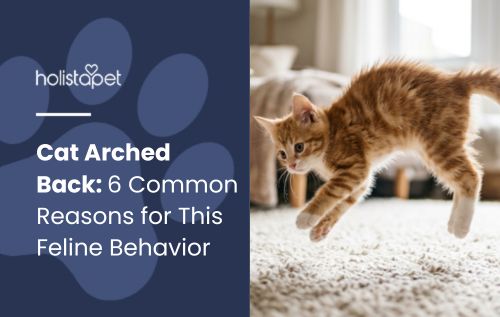
A cat's arched back can indicate stretching, excitement, fear, aggression, or discomfort browsing cat care support resources can help owners respond to these signals more confidently.
Why Do Cats Arch Their Back?
 A cat’s arched back can signal different physical or emotional states depending on the situation. It may reflect normal stretching, emotional reactions such as fear or excitement, or in some cases discomfort. Understanding the surrounding body language is key to interpreting the behavior correctly.
1. Stretching After Rest
One of the most common reasons cats arch their backs is stretching. After waking up or resting, cats extend their spine and muscles to loosen up their body and prepare for movement. This is usually a relaxed and healthy behavior.
2. Feeling Scared or Threatened
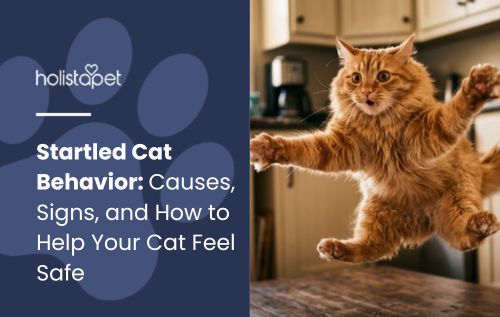
A cat may arch its back when it feels threatened by unfamiliar people, animals, or environments. This posture helps the cat appear larger as a defensive response.
Other signs often include raised fur, flattened ears, and dilated pupils.
3. Showing Aggression
During conflict, a cat may arch its back as part of an aggressive display. This is often seen when defending territory or interacting with other cats.
Hissing, growling, and stiff posture may accompany this behavior.
4. Engaging in Playful Behavior
Not all arched backs indicate stress. Cats, especially kittens, may arch their backs during play. These moments often include quick movements, sideways hops, and bursts of energy and understanding why does my cat jump on people can help owners distinguish playful from anxious behavior.
5. Expressing Emotion Through Body Language
Cats use posture as part of their communication system. Instead of repeating emotion categories, it is more accurate to understand the arched back as a flexible signal that changes meaning depending on context.
Observing tail position, ear movement, and facial expression provides better interpretation than posture alone.
6. Experiencing Pain or Discomfort
In some cases, an arched back may indicate physical discomfort. Cats in pain may hold this posture while walking, standing, or resting.
Additional warning signs include reduced grooming, appetite changes, hiding, or reluctance to move. Persistent symptoms should be evaluated by a veterinarian.
When Do Arched Cat Backs Become Concerning?
An arched back becomes concerning when it appears alongside signs of pain, fear, or illness. A brief stretch is normal, but a persistent arched position may indicate discomfort or a medical condition.
Watch for:
-
Hissing, growling, or aggression
-
Flattened ears or dilated pupils
-
Changes in appetite, grooming, or activity
-
Difficulty walking, jumping, or resting
Contact a veterinarian if the behavior starts suddenly, persists, or appears with other symptoms. The Cornell Feline Health Center is a trusted resource for understanding when behavioral changes may point to underlying health concerns.
How Do I Help My Cat Stay More Calm?
 A calm cat needs a safe environment, consistent routines, mental stimulation, and proper health support. Identifying sources of stress can also prevent anxiety-related behaviors. The following methods may help support a more relaxed and comfortable environment for your cat.
|
Support Method |
How It Helps |
Best For |
|
Consistent routine |
Reduces stress and uncertainty |
Daily emotional balance |
|
Safe hiding spaces |
Helps cats feel protected |
Fearful or anxious cats |
|
Interactive play |
Releases energy and supports mental stimulation |
Bored or restless cats |
|
Balanced diet |
Supports overall health |
Long-term well-being |
|
CBD Calming Chews for Cats |
Supports relaxation during stressful situations |
Travel, noise, or environmental changes |
|
Flexible wellness support |
Cats needing adjustable servings |
Create a Predictable Routine
Cats feel more secure when daily activities stay consistent. Regular feeding times, play sessions, and rest periods can reduce stress and help a kitty feel safe.
-
Feed meals on a schedule
-
Keep sleeping areas quiet
-
Avoid sudden changes in the home
Provide Safe Spaces
A frightened cat often looks for places to hide and rest. Giving access to higher shelves, covered beds, or quiet rooms can help reduce anxiety and fear.
Gentle strokes and calm interactions also support positive experiences with humans.
Encourage Daily Play
Play helps release energy and reduce tension. Interactive toys can redirect unwanted behavior and keep cats mentally engaged.
-
Use wand toys and puzzle feeders
-
Rotate toys to prevent boredom
-
Schedule short play sessions throughout the day
Support Overall Health
Physical discomfort can affect behavior and emotional balance. A balanced diet, regular grooming, and routine vet visits help support a cat’s well-being.
Watch for changes in appetite, grooming habits, or activity levels, since these may signal underlying issues knowing how long do felines live can also help owners set realistic expectations for age-related behavioral shifts.
Use Calming Wellness Products When Needed
Some pet owners learn calming support options when their cats experience stressful situations such as travel, loud environments, or changes in routine.
CBD wellness treats for cats and similar products may contain ingredients such as broad-spectrum CBD, valerian root, or L-tryptophan. These ingredients are commonly used in pet wellness formulations and are often included in products intended to support general relaxation.
These products are available in different forms including calming oil drops for cats — which may make them easier to incorporate into a cat's routine depending on preference and administration method.
It is important to consider a cat's individual needs and consult a veterinarian before introducing any new supplement research such as PubMed: Pharmacokinetics and Safety of CBD in Cats offers helpful context on how CBD interacts with feline physiology.
Final Thoughts
A cat’s arched back is often a normal part of stretching, play, or communication, but it can also signal fear, aggression, or discomfort. Looking at your cat's overall body language and watching for additional symptoms can help determine whether the behavior is harmless or whether veterinary attention may be needed.
Frequently Asked Questions
Why does a halloween cat have an arched back?
Artists often depict a halloween cat with an arched back to make it look startled, defensive, or intimidating. The image comes from a natural feline reaction that makes cats appear larger when they feel threatened.
Can cats arch their backs when they are happy?
Yes, cats arch their backs when they feel content in some situations. A relaxed cat may arch its back while greeting people, enjoying attention, or preparing to stretch.
Do older cats arch their backs more often?
Sometimes. Senior cats may arch their back more frequently due to age-related changes affecting the muscles, joints, or spine. A vet should evaluate new or unusual posture changes.
Should I touch a cat with raised fur and an arched back?
No, it is best to give the cat space first. Raised fur often signals fear, stress, or a response to potential threats, and handling the cat may create more pressure.
Can a cat arch its back around other pets?
Yes, cats may arch around dogs or other cats when establishing boundaries or reacting to unfamiliar behavior. Observing the tail, ears, and overall body language can help determine the cause.
Does an arched back always mean a cat is angry?
No, an arched back does not always indicate aggression. Cats also use this posture during stretching, play, and normal feline communication.






Leave a comment
All comments are moderated before being published.
This site is protected by hCaptcha and the hCaptcha Privacy Policy and Terms of Service apply.