

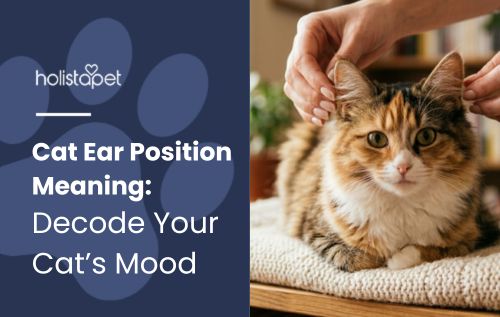
Your cat’s ears communicate more than you might expect. A quick flick or sudden flattening can reveal important clues about their mood. So what does a cat's ear position mean exactly? Turns out, it means everything.
If your cat’s ears are flat in "airplane mode" or focused intently out the window, they are sending clear signals. Learning to decode these feline cues is essential for every pet owner.
Why Do Cats Communicate With Their Ears?
 Ear position plays a big role in cat communication since our feline friends don't use words to express themselves. The outer ear moves independently, picking up sounds and adjusting to environmental changes. When a cat reacts to another animal, a sudden noise, or a hand reaching in, their ears usually move first. Owners who learn to read these cues can respond better and avoid unwanted reactions.
The Basics of Cat Ear Positions
A cat's ears are powerful tools for sensing and reacting. Each has over 30 muscles, giving them full control to swivel, tilt, and rotate. This lets felines pick up on the tiniest sounds and shift focus without moving their head.
Cats use different ear positions to show how they feel. Ears forward can mean a kitty is feeling curious or calm. Ears turned sideways, or back, might suggest nervousness or irritation. Recognizing these changes helps cat owners stay in tune with their pet's mood and comfort level.
Forward-Facing Ears
 When your cat's ears point straight ahead, it's usually a sign that they're interested and aware of what's happening. You might observe this position when they're watching birds through the window or listening closely to a noise in the next room.
-
Alert and Curious. Ears straight forward often means your cat is fully locked in. They're paying close attention, possibly prepping to pounce or play. This is common during interactive time or when they're learning new spaces.
-
Happy and Relaxed. Forward ears can also show a calm mood. If the rest of the body looks loose and the tail isn't twitching, your feline friend likely feels comfortable. It's a good time to engage and enjoy the moment together.
Sideways or "Airplane" Ears
 When your cat's ears shift sideways like tiny wings, that's the classic "airplane" position. This usually signals mixed emotions or overstimulation. The ears flatten out slightly but don't press back completely.
-
Nervous or Unsure. Sideways ears can show uncertainty. Watch their body posture. Tense muscles or a lowered head often pair with this position.
-
Overstimulated From Petting. If you see your cat's ears shift sideways during a cuddle session, it might mean they've had enough. Pay attention to this subtle cue to avoid upsetting your feline companion.
Flattened Ears (Pinned Back)
 When a cat pins their ears flat against their head, it's a strong signal that they feel threatened or upset. It often comes with other signs, such as a puffed-up tail and a low growl.
-
Fear or Stress. A scared cat flattens their ears to protect them. This usually happens during loud noises, vet visits, and tense interactions with other cats. It's a clear sign to give them space.
-
Aggression or Defensiveness. Flattened ears can also indicate that your pet feels cornered or defensive. If paired with hissing or swatting, they're trying to warn others to back off. It's best not to push their limits when this happens.
Backward-Turned Ears
When your cat's ears point backward, they're tuned into something behind them or sensing something. This position usually means they're attentive, irritated, or deeply focused. It's one of the more misunderstood ear signals.
-
Focused or Hunting. Cats often turn their ears back when tracking sounds from behind. If, along with this ear shift, your kitty crouches low and watches something closely, it means they're in full hunter mode.
-
Annoyed or Irritated. Ears turned back without other signs of focus can signal agitation. Maybe they're tired of interacting or annoyed by some noise. Combine this with tail swishes or narrowed eyes, and it's time to give them a break.
Twitching or Flicking Ears
Quick, repeated ear flicks often mean your cat is feeling irritated or overwhelmed. You might see this when there's too much noise, movement, or unwanted touching. It's one of the first signs that something isn't right.
This behavior can also point to skin discomfort, ear mites, or issues in the ear canal, and sometimes to other symptoms like drooling learn more in our why drooling guide. If the twitching doesn't stop or is accompanied by scratching and head shaking, it may be time to clean their ears or call your vet to check for infections.
Ear Positions During Sleep
 Even while snoozing, a cat's ears stay active. They don't fully shut down the way humans do. Instead, they keep picking up sounds and shifts in the environment. It's part of how felines stay safe while resting.
Relaxed Ears vs. Alert Sleep Posture
Relaxed ears during sleep usually sit upright or tilt slightly to the side. This means your kitty feels safe and comfy. You'll see this when they nap on your lap or curl up in their favorite spot.
But if the ears stay upright and shift with every little sound, they're not fully relaxed. This alert posture shows they're listening intently while still resting. This is common in busy homes and when other cats are nearby.
Why Cats Stay Semi-Aware While Resting
Cats are light sleepers by nature. Even when they close their eyes, their ears stay busy. This keeps them ready to react to things like footsteps, door creaks, and rustling leaves outside the window.
This behavior comes from instinct. In the wild, staying alert helps felines avoid threats and catch prey. That's why a nap never means a full shutdown. So if your cat's ears twitch or rotate while they snooze, they're not dreaming but monitoring. It's their way of staying safe without giving up their cozy spot.
Do Ear Positions Vary by Cat Breed or Age?
 Yes, ear positions can look different depending on a cat's breed or age. Some breeds, like the Scottish Fold, naturally have bent or low-set ears, making it harder to read their mood the same way. Their ears don't move as freely, so you'll need to rely more on body posture and tail movement.
Senior pets may also show fewer sharp ear movements. Their responses might slow down, or their ear muscles may weaken with age. That doesn't mean they aren't feeling anything. It just means their ears aren't as expressive as they used to be.
Feline Ear Positions and Body Language — What to Pair With
To understand what your kitty is truly saying, watch their full body. The ears might point forward, but the tail, eyes, and posture will give extra clues. Slow blinks and loose posture? That's a happy cat. A swishing tail with pinned ears? That's a warning.
Even vocal cues, like meows and growls, can back up what the ears are saying. Pay attention to how everything moves together to read your cat's mood clearly.
If you share your home with multiple pets, understanding how your cat reads other animals is equally important learning how to introduce a cat to a dog can help reduce the tension that often shows up in flattened or backward ears.
Final Thoughts on Decoding Cat Ear Positions
 A cat's ears are like little mood detectors. From facing forward to flattening out, each shift says something about how they feel. Learning these cues helps cat parents respond appropriately and avoid misunderstandings.
By tuning into your cat's ear position, you can build stronger trust and a better bond. And if they show any sign of tension or stress, some calming products such as stress support oil drops for cats, hemp oil for cats, or CBD hard treats for cats may help support relaxation, but always consult a veterinarian first.
For those seeking evidence-based guidance on feline wellness products, the Cornell Feline Health Center and PubMed: Pharmacokinetics and Safety of CBD in Cats are reliable references worth reviewing with your vet.
Find more essential tips in our cat care articles section.
FAQs About Cat Ear Position Meaning
What does the cat ear position mean to you about a cat’s mood?
Understanding the meaning of cat ear position helps pet parents read a cat’s body language more accurately. A cat’s ears act like emotional antennas, constantly moving to gather as much auditory information as possible while also signaling their emotional state. Ears forward usually suggest a happy, curious, alert, and confident cat, while flattened or pinned-back ears may signal fear, stress, aggression, or a defensive posture.
Why do cats communicate with their ears?
Domestic cats rely heavily on feline body language because, unlike dogs, they do not communicate mainly through vocal sounds. Cat communication often starts with the cat’s ears, which can rotate independently in different directions to collect auditory information. Ear position gives humans and other cats clues about a cat’s mood, whether they are relaxed, nervous, curious, or preparing for a successful pounce.
What does ears forward mean in cats?
Forward-facing ears or ears forward are among the most common cat ear positions associated with curiosity and comfort. A cat with neutral ears pointed ahead is often paying attention to something interesting happening nearby. Curious cats may also combine this ear position with a relaxed body, alert eyes, and a gently moving tail.








Leave a comment
All comments are moderated before being published.
This site is protected by hCaptcha and the hCaptcha Privacy Policy and Terms of Service apply.