

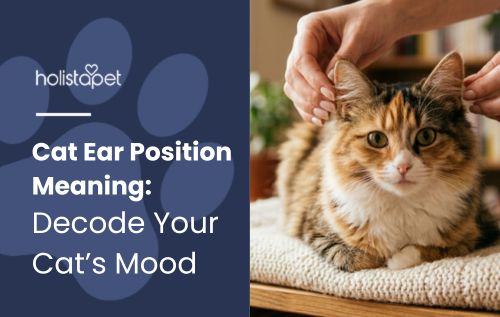
Cat ear position meaning goes far beyond a simple twitch or turn. Your feline bestie speaks through every ear movement, giving you little clues about comfort, curiosity, and feelings without making a sound.
Learning to read those signals helps you understand your kitty better and respond the right way during every nap and cuddle. Once you know what your cat is trying to tell you, you'll feel more connected and better prepared to meet their needs.
Key Highlights
- Cat ear positions can reveal clues about your feline’s comfort, focus, uncertainty, and emotional state.
- Ear shape, movement, and intensity matter, so learn what looks normal for your individual cat.
- Always consider the eyes, whiskers, tail, posture, vocal cues, and surrounding situation before interpreting a signal.
- Respond by respecting your cat’s boundaries and adjusting the environment when needed.
- Persistent ear changes accompanied by scratching, discharge, head shaking, or balance problems deserve veterinary attention.
Why Do Cats Communicate with Their Ears?

Cats rely on ear movements because they communicate without spoken words. Each outer ear rotates independently toward sounds while helping signal your kitty's intentions. Learning cat ear language gives you better insight into your cat's behavior during play, greetings, or unexpected moments.
Those quick reactions often happen before vocal cues, giving you time to respond calmly and avoid misunderstandings. Watch consistently, as subtle ear motions often reveal more than facial expressions.
What Do Different Cat Ear Positions Mean?
A cat's ears do much more than detect sound. Each ear contains more than 30 muscles, allowing precise movement that helps your little prowler pinpoint noises while expressing emotion. Those subtle motions offer valuable clues about comfort, attention, and mood. Pay close attention because the full picture becomes much clearer once you understand what the different ear positions communicate.
Neutral or Relaxed Ears
A calm kitty often holds their ears upright with a gentle forward angle instead of pointing them sharply in any direction. This comfortable neutral position usually appears when they feel secure and ready to enjoy quiet company.
Soft eyes, relaxed whiskers, slow blinking, and a loose posture often appear together. Every cat has a unique ear shape, so learn what looks normal for your beloved companion. That makes unusual ear movements much easier to recognize later.
Upright and Forward-Facing Ears

Upright, forward-facing ears tell you your cat has locked onto something interesting. A bird outside the window, a favorite toy, or sudden movements across the room can quickly capture their attention.
Bright eyes and an alert posture often appear alongside this ear position. Unlike relaxed ears, these point with purpose since your feline companion is actively gathering information. This response commonly pops up while exploring a new environment or getting ready for a playful chase.
Sideways or "Airplane" Ears

When your cat's ears angle outward like little airplane wings, it often means they feel conflicted or overstimulated. This position sits between relaxed ears and flat ears, making it an early signal that something feels off.
Watch your whiskered friend for a tense body, crouching, or hesitation to understand what comes next. During petting, airplane ears often mean the fun is over. Respect that quiet request, and you'll help prevent unnecessary stress or swatting.
Flattened Ears or Ears Pinned Back

Ears pressed tightly against the head send one of the clearest warnings in feline body language. Your beloved companion may feel frightened, stressed, or trapped. Flattening the ears also helps protect them during conflict.
This posture often comes with hissing, growling, a puffed tail, or dilated pupils as part of the fight-or-flight response. Resist the urge to comfort your cat right away. Giving them room to calm down is usually the safest response for everyone.
Backward-Turned Ears
This ear position is worth a second look. It can signal a huge range of emotions, from playful concentration to mild frustration. Your curious friend may be tracking a sound behind them while stalking prey, or they may feel bothered by noise or too much attention.
Context tells the story. Look at the complete picture, including posture, eyes, and tail movements. If your cat seems tense instead of focused, pause the interaction and let them settle on their own.
Twitching or Flicking Ears
A few quick ear flicks can be your cat's way of saying something feels off. Ears twitching often follow loud sounds, busy surroundings, or unwanted petting. It’s one of the earliest signs of irritation. Persistent twitching can point to an underlying ear problem.
Parasites, skin irritation, debris, or an ear infection could be responsible. If scratching, head shaking, or drooling also develops, check out our why drooling guide. Ongoing symptoms call for a veterinary exam to identify the underlying cause.
One Ear Up and One Ear Down
One ear up and one ear down can look funny, but it often has a simple explanation. Your furry family member may be listening to different sounds at the same time, especially in a busy room or unfamiliar place. It may also suggest confusion or health issues. This uneven ear position usually disappears once the distraction ends.
If one ear keeps drooping or sits lower than the other, watch for scratching, swelling, discharge, odor, head shaking, or a head tilt. Continuous changes deserve prompt veterinary evaluation.
Cat Ear Positions During Sleep

Even during a peaceful nap, your playful pal's ears rarely go completely off duty. Ear movements during sleep can reveal how deeply your cat is resting or whether something’s wrong.
- Relaxed Sleep: Loose, upright, or slightly angled ears usually mean your cat feels comfortable and secure in familiar surroundings.
- Light Sleep: Ears that swivel toward footsteps, voices, or other sounds show your cat is still monitoring the environment, even while resting.
When to pay attention? Brief ear flicks can happen during dreaming or after hearing faint noises. Repeated twitching with scratching, head shaking, or one drooping ear calls for a veterinary evaluation.
Do Kittens Use the Same Ear Signals as Adult Cats?
Yes. Kittens communicate with many of the same ear positions as adult cats, although their reactions often appear quicker and more exaggerated during play or while exploring. Curiosity, uncertainty, excitement, and overstimulation can all show through ear movements.
During kitten wrestling matches, don't judge the ears alone. Watch the tail, posture, claws, and vocalizations, too. If one kitten repeatedly retreats, hides, or tries to escape, step in and give both little adventurers a chance to settle down.
Do Ear Positions Vary by Cat Breed or Age?

Absolutely. Breed and age can make ear signals easier or harder to read. Breeds like the Scottish Fold naturally have folded ears with a smaller range of motion. That's why observing your cat's body posture, facial expressions, and tail movements is just as important.
Older cats can also lose some ear mobility as the muscles and joints age. Those slower movements do not mean your senior companion feels less. They simply express emotions a little differently than they did in younger years.
Read Ear Position with the Rest of Your Cat’s Body
Ears tell an important story, but they never tell the whole story alone. Watch your cat's eyes, tail, posture, whiskers, and vocalizations to understand what they're communicating.
Forward ears with slow blinks and a relaxed body often signal contentment. Pinned ears paired with a swishing tail or growling send a very different message. Learning to read these signals gets easier with practice.
When an Unusual Ear Position May Need Veterinary Attention
Most unusual ear positions come and go with changes in mood or attention. Ongoing changes deserve a closer look. Schedule a veterinary visit if your purring machine also has repeated scratching, head shaking, redness, swelling, discharge, odor, touch sensitivity, or noticeable behavior changes.
A sudden head tilt, poor balance, or trouble walking needs prompt medical care. Ear mites, infections, inflammation, injuries, and other conditions may affect ear position. HolistaPet's Ask a Vet resource can help guide your next step.
FAQs About Cat Ear Position Meaning
What does the cat ear position mean to you about a cat’s mood?
Understanding the meaning of cat ear position helps pet parents read a cat's body language more accurately. A cat's ears act like emotional antennas, constantly moving to gather as much auditory information as possible while signaling their emotional state. Ears forward usually suggest a happy, curious, alert, and confident cat, while flattened or pinned-back ears may signal fear, stress, aggression, or a defensive posture.
Why do cats communicate with their ears?
Domestic cats rely heavily on feline body language because, unlike dogs, they do not communicate primarily through vocal sounds. Cat communication often starts with the cat's ears, which can rotate independently in different directions to collect auditory information. Ear position gives humans and other cats clues about a cat's mood, whether they are relaxed, nervous, curious, or preparing for a successful pounce.
What does ears forward mean in cats?
Forward-facing ears or ears forward are among the most recognizable cat ear meaning positions. They often show that a cat feels comfortable while paying close attention to something nearby. Curious cats commonly pair neutral ears with alert eyes, a relaxed body, and a gently moving tail. This combination usually reflects interest, confidence, and a calm readiness to explore their surroundings.
Why do my cat’s ears go back when I pet them?
Backward or sideways ears during petting often signal that your cat has had enough. Overstimulation, sensitivity, or mild discomfort can all trigger this response. Look for tail flicking, tense muscles, widened pupils, or skin twitching, then give your cat space to choose the next interaction. If one ear always draws the same reaction, ask a veterinarian to check for irritation, injury, or another source of discomfort.
Final Thoughts on Understanding Cat Ear Positions

Every flick, swivel, and tilt of your feline bestie's ears adds another piece to the story. Learning these signals helps cat parents recognize comfort, curiosity, fear, and stress before small changes become bigger concerns. That understanding strengthens trust and makes everyday interactions easier for us humans, too.
If your cat regularly seems tense, HolistaPet's stress support oil drops for cats, hemp oil for cats, or CBD hard treats for cats may help support relaxation alongside veterinary guidance. Always consult a veterinarian before introducing any new wellness product.
Discover more practical tips throughout our cat care articles.







Leave a comment
All comments are moderated before being published.
This site is protected by hCaptcha and the hCaptcha Privacy Policy and Terms of Service apply.