

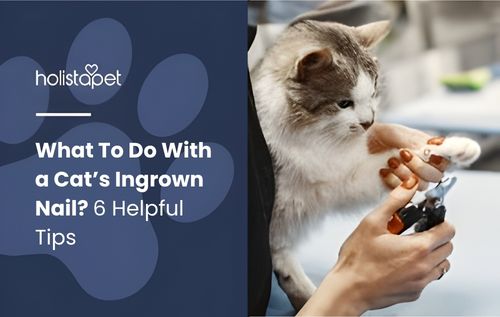
A cat ingrown nail causes pain fast and can lead to infection if ignored. When a nail grows into the paw pad, it creates swelling, sores, and visible pain. Quick action with proper treatment and regular nail trims helps prevent ingrown nails and keeps cats comfortable while following trusted cat care resources.
How Do Cats Get Ingrown Nails?

Cats get ingrown nails when a nail grows too long and curves into the paw pad instead of wearing down. This nail overgrowth happens when the claw does not get enough natural wear or regular trimming.
Common causes include:
- Overgrown nails that curl into the skin
- Lack of abrasive surfaces or scratching post use
- Older cats and senior cats with less movement. The Cornell Feline Health Center notes reduced activity in senior cats often limits natural claw wear.
- Long hair or excess fur hiding the claw tip
- Extra toes that affect how the nail grows
- Limited regular exercise
Many cats develop problems when pet owners skip regular grooming. Most cat owners notice an ingrown cat nail only after it causes swelling, sores, or discomfort during walking.
If the nail grows unchecked, the tip of the nail presses into the skin and embeds itself in the paw pad. This leads to infection, pain, and other symptoms.
How Do I Know If My Cat Has an Ingrown Nail?
An ingrown cat nail shows clear signs of pain and changes in behavior. Check the cat's paw closely to spot early symptoms before the condition worsens.
- Visible pain: Limping, avoiding pressure on only the affected paw.
- Swelling: Puffiness around the paw pad or claw area.
- Embedded portion: Tip of the nail stuck in the skin or pad.
- Wound or sores: Small openings or areas causing sores on the paw pad.
- Infection: Redness, discharge, or foul smell.
- Behavior changes: Licking the affected paw exposed or hiding more than usual.
- Other symptoms: Reduced movement, sensitivity when touched, signs of a painful condition.
How Do I Treat My Cat’s Ingrown Nail?

Treat a cat ingrown nail by removing the embedded portion, cleaning the wound, and preventing infection. Mild cases may allow careful home care, but most cases need a vet visit for safe and complete treatment.
|
Step |
What to Do |
Why It Matters |
Tools or Products Needed |
When to See a Vet |
|
Trim |
Cut the tip of the nail if visible and not deeply embedded |
Stops the nail from digging deeper into the skin |
Pet nail clippers, good lighting |
If the nail sits deep in the paw pad or the cat shows visible pain |
|
Remove |
Let a vet remove the embedded portion safely |
Prevents further tissue damage and reduces pain |
Professional treatment at a vet’s office |
Required for most ingrown claws and severe cases |
|
Clean |
Rinse with warm water and apply a mild antiseptic |
Reduces infection risk and keeps the wound clean |
Warm water, mild antiseptic, clean cloth |
If swelling, discharge, or foul smell appears |
|
Treat |
Use prescribed pain medication or antibiotics if needed |
Controls pain, reduces swelling, and treats infection |
Pain medication, antibiotics from a vet |
If signs of infection or worsening symptoms develop |
|
Protect |
Keep the affected paw exposed and limit activity |
Prevents dirt buildup and supports healing |
Clean resting area, soft bedding |
If the cat keeps licking or reopens the wound |
|
Monitor |
Check the wound, swelling, and other symptoms daily |
Ensures the pad heals properly within two weeks |
Daily visual checks, gentle handling |
If no improvement or recurring ingrown nails occur |
|
Prevent |
Maintain regular nail trims and regular grooming |
Helps prevent ingrown nails and nail overgrowth |
Pet nail clippers |

1. Remove the ingrown claw safely
An ingrown cat claw often sits deep in the paw pad, so safe removal matters.
- Use pet nail clippers to trim only the visible tip if the nail has not fully embedded
- Avoid pulling the embedded portion from the skin
- Stop if the cat shows visible pain or resistance
- Visit a vet’s office for proper removal if the claw sits deep
Veterinarians often sedate cats for comfortable trimming and full access to the affected paw.
2. Clean the wound and reduce infection risk
After removal, focus on cleaning and protecting the paw.
- Rinse the paw with warm water to flush debris
- Apply a mild antiseptic to the wound
- Keep the affected paw exposed and clean
- Monitor swelling, discharge, or other symptoms
Once the outer layer of the skin breaks, bacteria can enter and cause infection, so early cleaning helps prevent complications. According to the Merck Veterinary Manual’s claw disorder guide, nail injuries allow bacteria to enter soft tissue and increase infection risk.
3. Manage pain and support healing
Cats often deal with significant pain after an ingrown nail.
- Use prescribed pain medication from a vet
- Limit movement and keep the cat’s paw clean
- Check daily until the pad heals
Veterinary guidance often includes anti inflammatory pain relief and wound care to support recovery.
4. Use antibiotics when needed
Infection requires medical treatment.
- Watch for swelling, pus, or strong odor
- A vet may prescribe antibiotics for deeper wounds
- Follow the full course to prevent recurring ingrown nails
Research in veterinary medicine shows bacterial infections commonly affect damaged nail beds and require targeted treatment.
5. Try gentle home care for mild cases
Only attempt this if the nail just started pressing into the pad.
- Soak the paw in warm water to soften the area
- Trim the claw tip carefully
- Keep the paw clean and dry
If the nail already pierced the pad or caused a paw pad injury, skip home care and go straight to professional treatment.
6. Support comfort with natural options
Some pet owners add calming support during recovery.
- Pet-safe CBD formulas like feline hemp extract oil and CBD drops for cats from HolistaPet contain hemp-derived cannabidiol that interacts with the feline endocannabinoid system, which researchers associate with stress regulation and inflammatory response support during recovery, which researchers associate with stress regulation and inflammatory response support during recovery.
- Use only pet safe formulas designed for cats
- Combine with vet-approved treatment, not as a replacement
This approach can help many cats stay calm during recovery, especially after a veterinary visit or grooming session.
Clinical research such as PubMed: Pharmacokinetics and Safety of CBD in Cats has explored how CBD is processed in feline systems and its potential safety profile. Cats may also benefit from calming options like CBD chicken cat treats during recovery periods.
Is It Easy to Prevent Ingrown Nails in Cats?

Yes. Most cat owners can prevent ingrown nails with simple, consistent care and early checks.
- Regular nail trims: Trim every few weeks to control nail growth and prevent overgrown nails.
- Check the claw tip: Inspect each cat claw often to catch early ingrown signs.
- Use a scratching post: Encourage natural wear on abrasive surfaces.
- Maintain regular grooming: Remove excess fur so the tip of the nail stays visible.
- Support regular exercise: Help many cats wear down nails through movement.
- Monitor older cats: Senior cats need closer checks since they wear nails less.
- Schedule wellness exams: A vet can spot early nail overgrowth during routine care.
- Use proper tools: Pet nail clippers allow safe and comfortable trimming.
Veterinary guidance notes that routine trimming and environmental enrichment reduce nail overgrowth and help prevent ingrown claws in most cats.
Stressful events such as loud environmental triggers may influence grooming behavior, as discussed in this guide on our are cats scared of fireworks. Changes in routine or extended trips can also affect grooming habits, especially in sensitive cats, as explained in how to travel long distance with a cat.
For additional guidance on maintaining overall feline wellness and daily care habits, explore these cat care resources.
When Should I Take My Cat to the Vet for Ingrown Nails?
Take a cat to the vet as soon as the ingrown nail causes pain, breaks the skin, or shows signs of infection. Early veterinary visit prevents deeper damage and speeds up treatment.
Seek professional treatment in these cases:
- Visible pain or limping on only the affected paw
- Nail fully embedded in the paw pad or skin
- Swelling, redness, or discharge from the wound
- Infection signs such as odor or pus
- Causing sores or a paw pad injury
- Cat resists touch due to a painful condition
Some situations require immediate care:
- Bleeding that does not stop
- Deep wound around the claw
- Recurring ingrown nails
- Senior cats or older cats with limited mobility
A vet visit may include safe removal, pain medication, and antibiotics to treat the condition properly. Most cats recover well when treated early, and the pad heals within two weeks with proper care.
Ingrowns Can Frustrate Cats Too
Act fast when a cat ingrown nail appears. Early treatment, proper trimming, and regular checks help prevent pain, infection, and long-term damage to the cat’s paw. Some pet owners also explore cbd oil products for cats as part of overall wellness support, but proper nail care and veterinary guidance remain essential for keeping your cat healthy and comfortable.
Frequently Asked Questions
Can an ingrown cat nail heal on its own?
No. An ingrown nail will not fix itself. The nail keeps growing into the skin and worsens the wound without proper treatment.
How long does it take for a cat’s paw to heal after treatment?
Most cases heal within two weeks if treated early and kept clean. Healing slows down if infection develops.
Can indoor cats get ingrown nails?
Yes. Indoor cats face a higher risk since they use fewer abrasive surfaces that help wear nails down naturally.
Do certain breeds get ingrown nails more often?
Yes. Cats with long hair or extra toes face higher risk due to hidden claw tips and irregular nail growth.
Can I use human nail clippers on cats?
No. Human clippers can crush the nail. Use pet nail clippers designed for safe and clean trimming.
Will an ingrown nail affect how a cat walks?
Yes. Cats may limp or avoid using the affected paw due to pain and pressure on the paw pad.
How often should I check my cat’s nails?
Check every one to two weeks. Regular checks help catch nail overgrowth before it becomes a problem.
Can diet affect nail growth in cats?
Yes. Poor nutrition can weaken nails or affect how fast the nail grows, which may increase the risk of issues.







Leave a comment
All comments are moderated before being published.
This site is protected by hCaptcha and the hCaptcha Privacy Policy and Terms of Service apply.