

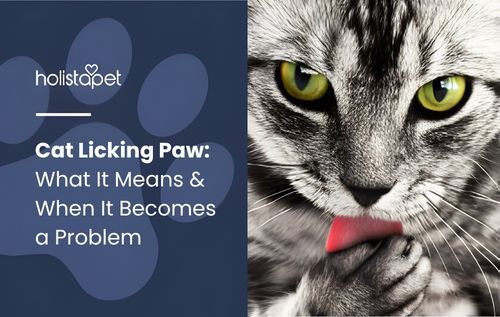
It’s normal to occasionally catch your cat licking its paw. This is part of their natural grooming behavior, helping them stay clean and remove dirt or loose fur.
However, when paw licking becomes frequent, repetitive, or focused on one area, it may indicate an underlying issue such as stress, irritation, allergies, or discomfort. Observing changes in grooming behavior can help you identify potential concerns early.
Why Do Cats Lick Their Paws?

Cats lick their paws primarily as part of their grooming routine. This helps them:
- Remove dirt and debris
- Clean fur and paw pads
- Maintain hygiene after using the litter box or exploring
Occasional paw licking is normal. Problems may arise when the behavior becomes excessive or targeted to a specific paw.
Normal Grooming vs. Excessive Paw Licking
Understanding the difference between normal grooming and over-grooming is important.
Normal Grooming
- Occurs briefly throughout the day
- Appears relaxed and routine
- Does not cause skin or fur damage
Excessive Grooming
May include:
- Repeated licking of the same paw
- Hair thinning or bald patches
- Red, irritated, or inflamed skin
- Noticeable behavioral changes
Excessive licking often signals that something is causing discomfort physically or emotionally.
Common Causes of Excessive Paw Licking in Cats

Stress or Anxiety
Cats are sensitive to environmental changes such as:
- Moving homes
- New pets or people
- Loud noises or disruptions
Stress may lead to repetitive licking as a self-soothing behavior.
Behavioral changes associated with stress may overlap with signs discussed in is my cat depressed.
Allergies or Skin Irritation
Allergies are one of the most common causes of paw licking. Triggers may include:
- Certain foods
- Pollen or dust
- Cleaning products
These can lead to itching, inflammation, or discomfort in the paws.
Parasites or Infections
Fleas, mites, or bacterial infections can cause significant irritation.
Signs may include:
- Persistent scratching or licking
- Red or inflamed skin
- Small scabs or bumps
Injury or Physical Pain
Cats may lick a paw if they experience:
- Minor cuts or abrasions
- Foreign objects stuck in the paw
- Joint discomfort
Limping or sensitivity when touched may also be present.
When Should You Be Concerned?
Monitor your cat closely if you notice:
- Swelling – may indicate injury or infection
- Redness – could suggest irritation or allergic reaction
- Bleeding or discharge – may require veterinary attention
- Lumps or bumps – possible cysts or abnormal growths
If symptoms persist, a veterinary check is recommended.
Supporting Calm and Healthy Behavior in Cats
If stress or anxiety may be contributing to excessive grooming, creating a calm and enriching environment may help support healthier behavior.
Helpful strategies may include:
- Providing interactive toys
- Maintaining a consistent routine
- Offering scratching posts or climbing spaces
- Creating quiet resting areas
- Increasing playtime and mental stimulation
Some pet owners learn calming wellness products like feline CBD oil, organic CBD treats for cats, and cat relaxation oil drops from trusted pet wellness brands like HolistaPet as part of a broader stress-management routine. CBD products formulated specifically for cats are one option that may be considered alongside proper environmental enrichment and veterinary guidance
Always consult a veterinarian before introducing new supplements or wellness products to your cat’s routine.
Some owners also explore options like cat sedatives for travel when managing temporary stress-related behaviors.
How to Keep Your Cat’s Paws Healthy

Simple care practices may help support healthy paws and reduce unnecessary licking.
Paw Care Tips
- Check paws regularly for debris or irritation
- Keep litter boxes clean
- Trim nails when needed
- Avoid harsh cleaning chemicals around pets
- Keep indoor surfaces clean and safe
- Provide enrichment to help reduce stress-related behaviors
A clean, comfortable, and low-stress environment can help support your cat’s overall well-being.
Some owners also explore options like cat sedatives for travel when managing temporary stress-related behaviors.
For more feline wellness guidance and everyday cat health and wellness resources,
explore our complete cat care library.
FAQs About Cat Paw Licking
Is it normal for my cat to lick their paws?
Yes. Cats naturally lick their paws as part of regular grooming behavior. Occasional licking helps remove dirt and keep paw pads clean.
When does paw licking become excessive?
Paw licking may become excessive when it happens constantly, focuses on one area, or causes hair loss, redness, or skin irritation.
What are the common causes of excessive paw licking in cats?
There are several causes and common triggers behind excessive licking, including:
- Allergies and allergic reactions from food, environmental allergens, or household cleaners
- Parasites like fleas, mites, or dust mites
- Infections affecting the skin or nails
- Pain or injury causing discomfort
- Emotional factors like stress or anxiety
These issues can cause itching, irritation, and inflammation, prompting your pet to lick their paws repeatedly.
Can parasites cause my cat to lick their paws excessively?
Yes, parasites like fleas and mites are a major cause of excessive paw licking. These pests irritate the skin, causing intense itching and discomfort. Many cats will lick their paws or even groom other areas of the body to relieve irritation caused by bites or saliva reactions.
Could stress or anxiety make my cat lick its paws?
Absolutely. Stress and anxiety are common behavioral triggers that lead many cats to start pet licking behaviors. A cat may lick their paws to self-soothe when facing environmental changes, boredom, or a lack of stimulation. Providing toys or even a food puzzle can help redirect this behavior and reduce excessive licking.
Can injuries or pain cause excessive paw licking?
Yes, pain or injury is a serious underlying cause. If your cat's paws come into contact with rough surfaces or foreign objects, it may cause discomfort or cuts. Your pet may then lick their paws to soothe the area. Watch for signs such as limping, swelling, or sensitivity to touch.
When should I take my cat to the vet?
If paw licking is persistent, worsening, or accompanied by symptoms like swelling, bleeding, or infection signs, a veterinarian should evaluate your cat.
Can dogs also have the same paw licking issues?
Yes, a dog can also experience excessive paw licking due to allergies, parasites, or behavioral issues. While this guide focuses on cats, similar principles apply to other pets, and a vet can help diagnose the issue in both species.
Final Notes
Occasional paw licking is normal and part of healthy grooming behavior. However, consistent or excessive licking may signal an underlying issue that requires attention. Early observation and proper care can help support your cat’s comfort and overall well-being.
![How Old Does a Cat Have To Be To Get Fixed? [Age & Health Concerns]](http://www.holistapet.com/cdn/shop/articles/How_old_does_a_cat_have_to_be_0629c32d-b756-4580-b805-cd33a93f1c23.webp?v=1779094703&width=500)







Leave a comment
All comments are moderated before being published.
This site is protected by hCaptcha and the hCaptcha Privacy Policy and Terms of Service apply.