


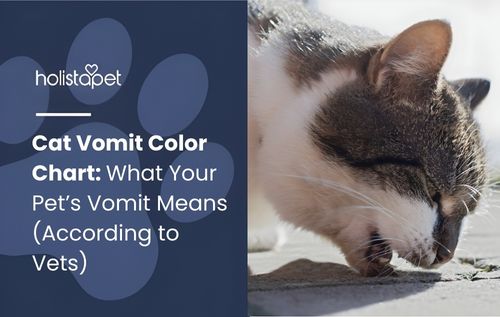
Cleaning up cat vomit never feels normal, especially when the color looks strange. The shade often reveals what is happening inside your cat’s body, from minor stomach upset to a problem that needs urgent care. While some pet owners also use organic CBD oil for cats to support relaxation and overall wellness, it is important to identify the underlying cause of vomiting rather than relying on supplements alone. This guide breaks down what each vomit color can mean and when it is time to call the vet.
Key Takeaways
- Vomit color can offer helpful clues about your cat's digestive health and how urgently the situation needs attention.
- Some vomit colors may signal minor stomach irritation, while others require immediate veterinary care.
- Looking at your cat's behavior, vomiting frequency, and other symptoms is just as important as the color itself.
- Knowing basic home care steps can help in mild cases, but persistent or severe vomiting should never be ignored.
- Early recognition of warning signs can help protect your cat from serious complications.
How Do Vomit Colors Determine a Cat’s Health?

Vomit color offers direct clues about what happens inside a cat’s digestive system. The stomach and intestines release different fluids during irritation, and those fluids change the appearance of what comes up. By observing the shade and texture, vets can narrow down the source of the problem.
Color helps pinpoint where trouble starts. It can reveal:
- Which part of the digestive tract reacts or struggles
- The presence of digestive fluids
- Signs of irritation or inflammation
- Possible injury inside the gut
- The level of urgency for medical care
Color alone cannot confirm a diagnosis. Vets also evaluate how often vomiting occurs, how the cat behaves, and how much it eats or drinks.
One isolated episode in an otherwise alert cat often signals minor stomach upset. Frequent vomiting, low energy, discomfort, or appetite loss signals a condition that requires immediate veterinary attention.
Color guides the first step. The full symptom picture shapes the final decision.
Cat Vomit Color Chart

A cat's vomit color can provide helpful clues about what is happening inside the digestive system. Color alone cannot identify the exact cause, but it can help pet parents understand how quickly they should respond.
Clear Vomit
Clear vomit usually contains water, saliva, or stomach fluids. It often appears when a cat has an empty stomach, drinks water too quickly, or feels nauseated before bringing up food. Frequent episodes may point to irritation in the upper gastrointestinal tract or another health condition.
Monitor your cat after a single episode if it continues to act normally. Call your veterinarian if clear vomiting happens more than once, lasts throughout the day, or comes with other symptoms. Kittens should see a veterinarian sooner because ongoing vomiting can quickly lead to dehydration.
White Foam
White foamy vomit often develops after stomach acid builds up during long periods without food. A cat eats less than usual, then vomits foam from an empty stomach. Hairballs, mild stomach irritation, or digestive inflammation can also trigger white foam.
Monitor your cat if this happens only once and it quickly returns to normal. Call your veterinarian if the vomiting becomes frequent or your cat appears sick. Kittens should receive veterinary care after repeated episodes, even if the foam seems mild.
Yellow Vomit
Yellow liquid contains bile that flows from the small intestine into the stomach. Cats often vomit bile after long gaps between meals, but repeated episodes may also signal digestive irritation, liver disease, or another health condition.
Call your veterinarian if your cat repeatedly vomits yellow liquid or develops the above symptoms. Kittens should be examined as soon as possible because bile vomiting can quickly affect their hydration and energy level.
Green Vomit
Green vomit usually contains bile mixed with digestive fluids. It can result from irritation in the upper gastrointestinal tract, eating plant material, or exposure to something toxic. Persistent green vomit may indicate a more serious problem.
Call your veterinarian as soon as possible. Seek emergency care if your cat has severe pain, repeated vomiting, or a bloated abdomen. Take kittens to a veterinarian immediately because they can decline much faster than adult cats.
Brown Vomit
Brown cat vomit may contain undigested food, kibble, or debris swallowed from the environment. A foul odor can suggest material from deeper in the digestive tract. In some cases, brown cat vomit may relate to bleeding or problems involving the liver.
Call your veterinarian the same day, especially if brown cat vomit keeps returning. Seek emergency care if your cat cannot keep food down, the vomit smells foul, or the condition rapidly worsens. Kittens need prompt veterinary attention, even after a single episode if they stop eating or become lethargic.
Red or Pink Vomit
Red or pink vomit usually means fresh blood is present. Bright red blood can result from irritation, an injury, a foreign body, or damage inside the digestive tract. If your cat starts to vomit blood, immediate treatment gives the best chance of identifying the cause.
Seek emergency care immediately for both adult cats and kittens. Do not wait to see if the vomiting stops on its own.
Black or Coffee Ground Vomit
Black or coffee ground vomit usually contains digested blood that has remained in the stomach before being expelled. This appearance often points to bleeding in the upper gastrointestinal tract.
Seek emergency care immediately for both adult cats and kittens. Prompt treatment can make a significant difference in the outcome.
When is Cat Vomiting Normal?
Occasional vomiting can be normal if it happens once in a while and your cat acts like usual afterward. Common causes include eating too quickly, swallowing a hairball, or mild motion sickness.
Vomiting, regurgitation, and coughing up a hairball are not the same:
- Vomiting is an active process that involves retching before the stomach empties. The vomit may contain undigested food, yellow liquid, or foam.
- Regurgitation happens without retching. Food comes back up shortly after a cat eats and usually looks like undigested kibble or pet food covered in mucus because it never reached the stomach.
- Coughing up a hairball begins with coughing or gagging instead of vomiting. The cat eventually brings up a clump of fur, sometimes mixed with a small amount of saliva or fluid.
What Do I Do When My Cat is Vomiting?
Seeing a cat vomit can feel alarming, but quick action makes a difference. Focus on assessing the situation and deciding if home care works or if a vet visit needs to happen right away.
Check Your Cat’s Overall Behavior
A cat’s attitude often reveals how serious the problem is.
- Monitor energy levels
- Watch for hiding or unusual aggression
- Check for signs of pain such as hunching or vocalizing
- Notice appetite changes
A bright, alert cat with one mild episode likely has minor stomach upset. Lethargy, weakness, or visible discomfort calls for immediate veterinary care.
Look at the Frequency
One isolated incident often links to minor stomach upset. Repeated episodes raise concern.
- Count how many times vomiting occurs in 24 hours
- Note if it happens after eating
- Track how long the issue continues
Frequent vomiting within a short period requires medical evaluation.
Remove Food for a Short Period
Giving the stomach time to settle can help in mild cases.
- Pause food for 8 to 12 hours in healthy adult cats
- Provide small amounts of water
- Reintroduce bland food in small portions
Do not withhold food from kittens, seniors, or cats with medical conditions without veterinary guidance.
Provide Nutritional Support
After the vomiting stops, gentle nutritional support can help your cat recover. Offer small meals instead of large portions and choose an easy to digest diet until the stomach settles. Fresh water should remain available at all times to help prevent dehydration.
Some pet parents also add wellness products to support their cat’s daily routine. HolistaPet formulates hemp oil for cats with naturally sourced ingredients to promote calm behavior and support overall well-being.
While CBD oil does not treat the underlying cause of vomiting, it may help cats dealing with occasional stress that can contribute to digestive discomfort. Always talk with your veterinarian before introducing any new supplement, especially if your cat is sick or takes medication. Depending on your cat’s preferences, CBD hard treats for cats or stress support oil drops for cats may also fit into a veterinarian-approved daily wellness routine, but they should not replace treatment for persistent vomiting.
Check for Foreign Objects or Toxins
Cats often chew plants, string, or small items.
- Inspect the area for chewed objects
- Look for missing toys or string
- Remove access to houseplants or chemicals
Suspected toxin exposure or string ingestion requires urgent veterinary attention. Pet owners concerned about accidental cannabinoid exposure can also read our can cats get high guide for common warning signs and appropriate next steps.
Certain symptoms require immediate veterinary care rather than home monitoring. See the full urgency guide below
- Blood in vomit
- Persistent vomiting
- Diarrhea with vomiting
- Swollen abdomen
- Refusal to eat or drink
- Signs of dehydration
Quick action protects your cat from serious complications.
How Do I Clean Up My Cat’s Vomit?

Clean the area quickly to prevent stains, odors, and bacteria buildup. Use safe products and protect surfaces during the process.
- Wear gloves: Protect hands from bacteria and strong odors.
- Remove solid material: Use paper towels or cardboard to lift debris without spreading it.
- Blot the area: Press gently to absorb excess moisture instead of rubbing.
- Apply an enzymatic cleaner: Break down odor causing proteins and prevent repeat soiling.
- Rinse with warm water: Remove residue from carpet or fabric surfaces.
- Dry thoroughly: Use clean towels or airflow to prevent mold or lingering smells.
- Disinfect hard floors: Use pet safe disinfectant to kill bacteria after cleanup.
When Do I Call the Vet for Feline Vomiting?

Call the vet when vomiting signals more than mild stomach upset. Frequency, appearance, and behavior changes determine urgency.
A single episode in an alert, eating cat may not require immediate care. Repeated vomiting or visible distress does.
Call the vet immediately if you notice:
- Blood in the vomit
- Black or coffee ground material
- Vomiting several times in a few hours
- Severe lethargy or weakness
- Signs of abdominal pain
- Swollen or hard belly
- Pale gums
- Suspected toxin exposure
- String or foreign object ingestion
Kittens, senior cats, and cats with diabetes, kidney disease, or other chronic conditions require faster evaluation. Cats recovering from surgery may require additional monitoring, so follow your veterinarian’s instructions and review when to remove cone after neuter cat before changing their postoperative care. Schedule a prompt appointment if:
- Vomiting continues for more than 24 hours
- Appetite drops significantly
- Weight loss appears
- Diarrhea occurs alongside vomiting
- Dehydration signs develop such as dry gums or sunken eyes
Trust behavior changes. If a cat acts withdrawn, hides constantly, or refuses water, seek veterinary care. Early treatment stops complications before they develop and keeps your cat healthy long term.
Frequently Asked Questions
Can dehydration cause a cat to vomit?
Yes. Dehydration irritates the stomach lining and disrupts normal digestion. A dehydrated cat may also show dry gums, sunken eyes, and low energy. Encourage your cat to drink water and contact your veterinarian if vomiting continues or signs of dehydration appear.
Can sudden diet changes trigger vomiting?
Yes. Rapid food transitions can upset the stomach and disrupt gut balance. Introduce new pet food gradually over seven to ten days to reduce digestive stress. Mixing increasing amounts of the new food with the old diet helps the digestive system adjust more comfortably.
Does overeating cause vomiting in cats?
Yes. Eating too fast or consuming large portions can overwhelm the stomach and lead to regurgitation or true vomiting. Smaller, controlled meals and slow feeding bowls can help prevent your cat from eating too quickly.
Can stress make a cat throw up?
Yes. Stress affects gut function and appetite regulation. Travel, new pets, loud environments, or routine changes can trigger digestive upset in sensitive cats. Creating a calm, predictable environment may help reduce stress related vomiting.
Should I give my cat human anti nausea medicine?
No. Many human medications contain ingredients that can harm cats. Always consult a veterinarian before giving any medication. Even products considered safe for people can cause serious side effects in animals.
Can parasites cause vomiting in indoor cats?
Yes. Indoor cats can still pick up parasites through contaminated soil, insects, or fleas. Ongoing vomiting with weight loss or diarrhea requires veterinary testing. Routine parasite prevention also lowers the risk of infection.
Is occasional vomiting normal for cats?
Some cats vomit rarely without serious illness, especially after swallowing hair. Frequent or patterned vomiting signals an underlying issue that needs evaluation. A healthy cat should not vomit on a regular basis.
Can certain medications make cats vomit?
Yes. Some antibiotics, pain medications, and other prescriptions can upset a cat's stomach. Contact your veterinarian if vomiting starts after your cat begins a new medication. Do not stop treatment unless your veterinarian instructs you to do so, since sudden changes can create additional health problems.
Why does my cat vomit early in the morning?
Some cats vomit early in the morning because they have an empty stomach after going many hours without eating. Offering a small meal before bedtime or feeding smaller meals throughout the day may help reduce stomach acid buildup. If the pattern continues, schedule a veterinary exam to rule out an underlying health condition.
Can food allergies cause vomiting in cats?
Yes. Some cats develop food sensitivities that irritate the digestive system. Vomiting may occur along with itchy skin, ear problems, or ongoing digestive issues. A veterinarian can recommend an elimination diet to identify the ingredient causing the reaction.
Should I feed my cat right after it vomits?
No. Give the stomach a short period to settle before offering a small amount of bland food, unless your veterinarian advises otherwise. Reintroduce food slowly and provide fresh water in small amounts. If your cat vomits again after eating or refuses food for an extended period, seek veterinary care.
Observe How Your Cat Pukes
Vomit color tells you where to look. Behavior and frequency tell you how fast to act. Monitor symptoms closely, move quickly when warning signs appear, and bring your cat to a vet when vomiting becomes persistent or severe. Prompt care protects comfort and long-term health.
Explore more cat care articles, or visit the Cornell Feline Health Center for additional veterinary information about feline health.






Leave a comment
All comments are moderated before being published.
This site is protected by hCaptcha and the hCaptcha Privacy Policy and Terms of Service apply.