


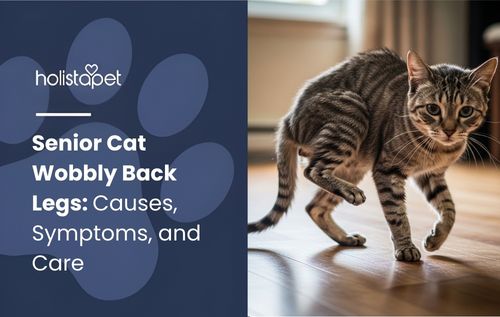
Senior cats may develop weak or wobbly back legs due to arthritis, diabetes-related nerve damage, spinal problems, low potassium, vestibular disorders, or circulation emergencies. This change should not automatically be dismissed as normal aging.
Sudden pain, paralysis, breathing difficulty, or cold hind paws require emergency veterinary care. Gradual weakness also needs evaluation. This guide covers common causes, warning signs, veterinary care, and practical ways to help senior cats move safely at home.
Medical Disclaimer: This article provides general educational information and is not a substitute for veterinary diagnosis or treatment. Weakness, wobbling, pain, or loss of movement can have many causes. Contact a veterinarian promptly. Seek emergency care for sudden paralysis, severe pain, breathing difficulty, cold hind paws, collapse, or loss of bladder or bowel control.
Key Highlights
- Senior cats may develop weak or wobbly back legs due to arthritis, diabetic neuropathy, spinal problems, low potassium, vestibular issues, muscle loss, or circulation emergencies.
- Wobbly back legs should not be dismissed as normal aging, especially when the change is sudden, painful, or getting worse.
- Emergency signs include sudden paralysis, severe pain, cold hind paws, pale or blue paw pads, collapse, breathing difficulty, or loss of bladder or bowel control.
Why Do Senior Cats Experience Wobbly Back Legs?

Aging can affect a cat’s muscles, joints, nerves, and organ function. However, age alone does not identify the cause of hind-leg weakness. A veterinarian must determine whether the problem originates in the joints, muscles, spine, peripheral nerves, vestibular system, heart, or another area of the body.
What Conditions Are Associated With Wobbly Back Legs in Senior Cats?
Several conditions can cause similar outward signs. When evaluating a cat, the veterinarian may consider how quickly the weakness began, whether the cat appears in pain, the temperature of the paws, head position, appetite, thirst, urination, and how the cat places its feet.
Arthritis
Osteoarthritis can cause stiffness, discomfort, reduced range of motion, and reluctance to jump, and it is a common problem in older cats. Affected cats may avoid stairs, hesitate before entering the litter box, stop jumping onto favorite furniture, or groom themselves less frequently because twisting has become uncomfortable.
According to the 2023 AAHA Senior Care Guidelines, studies indicate that more than 60% of cats have osteoarthritis in at least one joint, osteoarthritis affects over 90% of cats aged 10 and older, and arthritis affects a significant proportion of cats over 12 years old. Arthritis-related mobility changes usually develop gradually instead of causing an immediate loss of movement.
Diabetic Neuropathy
Diabetes can damage the peripheral nerves and weaken a cat’s hind limbs. An affected cat may develop a plantigrade stance, meaning it walks or stands on its hocks rather than only on its paws.
Other possible signs of diabetes include increased thirst, frequent urination, appetite changes, and unexplained weight loss. Research on feline diabetic neuropathy, indexed in PubMed, documents nerve and microvascular abnormalities in diabetic cats.
Saddle Thrombus: A Possible Emergency
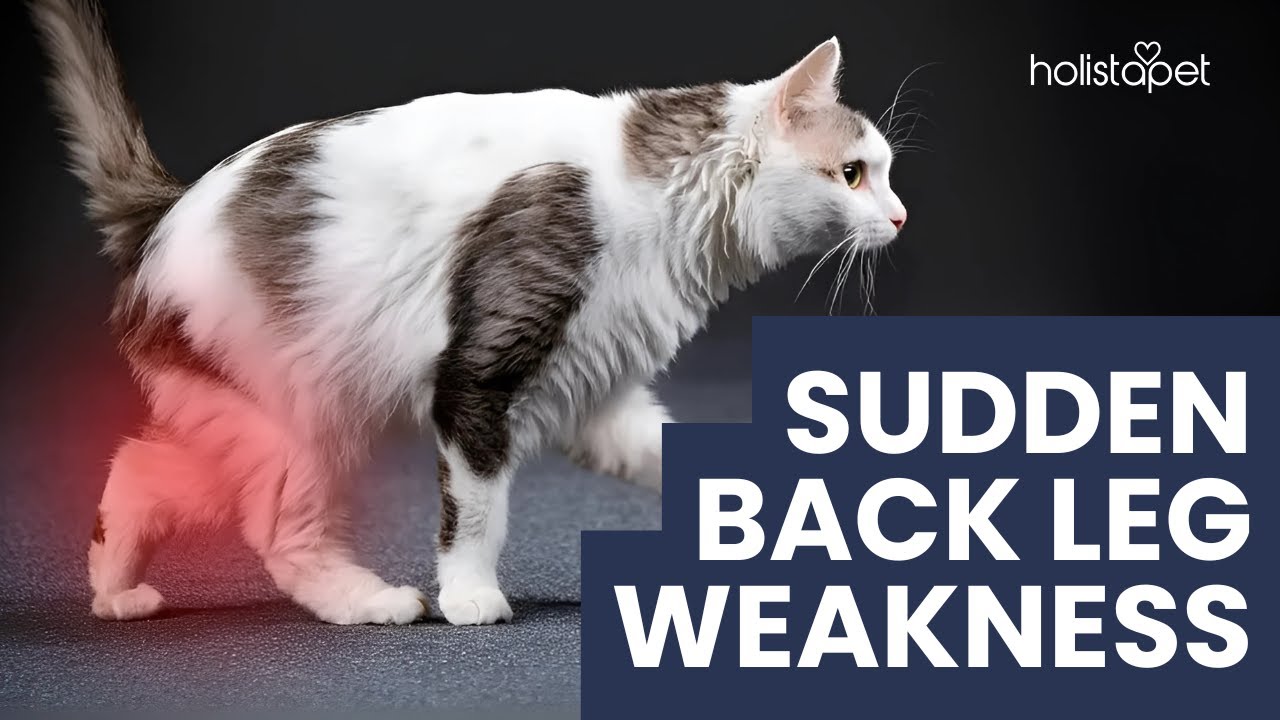
A saddle thrombus, also called feline aortic thromboembolism, occurs when a blood clot obstructs circulation to one or both hind limbs. This condition can appear suddenly and is a medical emergency. Severe pain with cold paws requires immediate veterinary attention.
Warning signs may include:
- Sudden, severe pain or crying
- Dragging or paralysis of one or both hind legs
- Cold hind paws or legs
- Pale, gray, or bluish paw pads
- Rapid or labored breathing
- Collapse or extreme distress
The Cornell Feline Health Center considers sudden paralysis and rapid or labored breathing medical emergencies. The journal article Feline Distal Aortic Thromboembolism: A Review of 44 Cases also describes acute pain, cold hind limbs, reduced or absent femoral pulses, and hind-leg weakness or paralysis, noting that underlying heart disease is the leading cause behind this clotting emergency.
Kidney Disease With Low Potassium
Chronic kidney disease is common in senior cats and may contribute to excessive potassium loss through urination. When potassium levels become too low, a cat can develop generalized muscle weakness.
Possible signs include:
- A stiff or unsteady gait
- Poor appetite
- Muscle pain
- General weakness
- Difficulty holding the head up normally
The Merck Veterinary Manual identifies chronic kidney disease as a common underlying cause of feline hypokalemic polymyopathy, a muscle disorder caused by low potassium.
Vestibular Problems
The vestibular system helps control balance and coordinates the movement of the head and eyes. A vestibular problem may make a cat appear weak or wobbly even when the primary issue involves balance rather than the hind-leg muscles.
Possible signs include:
- Sudden loss of balance
- Falling or circling toward one side
- A noticeable head tilt
- Nausea or vomiting
- Rapid, involuntary eye movements
- Difficulty standing or walking
Some vestibular conditions improve with appropriate care, but similar symptoms may also occur with serious neurologic problems. The Cornell Feline Health Center recommends immediate veterinary consultation when these signs appear.
Spinal, Neurologic, Muscular, and Other Causes
Age-related muscle loss may also reduce strength and stability. Other possible contributors, such as various diseases that can cause weakness through neurologic, muscular, or systemic effects, include:
- Anemia
- Hyperthyroidism
- Cancer
- Infection or inflammation
- Falls or other physical trauma
- Medication side effects
- Poor nutrition
- Inherited orthopedic or neurologic conditions
What Are the Symptoms If My Cat Has Weak Hind Legs?

Weakness can affect a cat’s posture, gait, activity level, and normal routine. Record when the symptoms began and whether they are stable, intermittent, or becoming worse.
Unsteady Walking
A cat with weak hind legs may have poor balance, sway from side to side, or struggle to support their body weight. The back legs may cross, buckle, shake, or appear poorly coordinated.
Difficulty Jumping
Reduced strength, stiffness, or discomfort can make jumping difficult. A cat may hesitate before jumping, miss a familiar landing, pull themselves up using the front legs, or stop trying to reach elevated areas.
Dragging the Back Legs or Walking Flat-Footed
Dragging the hind legs can scrape the paw pads or wear down the nails. Walking or standing on the hocks rather than the paws may occur with diabetic neuropathy.
Reduced Activity
A cat experiencing weakness may rest more frequently, hide, stop playing, avoid stairs, or spend less time interacting with family members. However, when medically appropriate, gentle activity helps maintain muscle strength in senior cats.
Visible Pain or Distress
Watch for signs such as:
- Crying or unusual vocalization
- Rapid or labored breathing
- Aggression when touched
- Trembling
- A tense or hunched posture
- Loss of appetite
- Reluctance or refusal to move
- Increased hiding
Cats often hide discomfort, so subtle changes in routine may be significant. HolistaPet’s guide to recognizing pain in cats explains additional warning signs.
Sudden Onset vs. Gradual Onset
|
Symptom Pattern |
What You May Notice |
Appropriate Next Step |
|---|---|---|
|
Sudden onset with severe pain, paralysis, cold hind paws, pale or bluish pads, collapse, or breathing difficulty |
Possible saddle thrombus or another circulatory, spinal, or neurologic emergency |
Go to an emergency veterinarian immediately. Keep the cat quiet and handle them gently. |
|
Sudden wobbling with head tilt, falling, circling, vomiting, or rapid eye movements. |
Possible vestibular or neurologic problem |
Please get in touch with a veterinarian right away for triage. So that you know, a same-day or emergency assessment may be advised. |
|
Gradual stiffness, reduced jumping, or difficulty using stairs or the litter box |
Arthritis, chronic discomfort, muscle loss, or progressive disease may be involved. |
Schedule a veterinary appointment soon and prevent falls while waiting. |
|
Gradual flat-footed stance, weakness, increased thirst or urination, appetite changes, or weight loss |
Diabetes, kidney disease, an electrolyte imbalance, or another metabolic condition may be involved. |
Could you arrange prompt veterinary testing? Do not start supplements or change medication without guidance. |
What Can I Do to Help My Senior Cat With Weak Back Legs?
Home support can reduce slipping, jumping, and physical strain. However, environmental changes cannot correct the underlying medical problem.
|
Care Method |
How It Helps |
Simple Example |
|---|---|---|
|
Home accessibility |
Reduces jumping and the risk of falling |
Ramps, pet steps, or a low-entry litter box |
|
Improved traction |
Helps the paws grip smooth floors |
Secured nonslip runners or yoga mats |
|
Easier access to essentials |
Limits unnecessary walking and climbing |
Food, water, bedding, and litter on one floor |
|
Veterinary joint support |
Creates a diagnosis-specific comfort plan |
Prescribed medication, diet, rehabilitation, or an approved supplement |
|
Gentle activity |
Helps maintain movement when medically appropriate |
Short, controlled play on a nonslip surface |
1. Improve Home Accessibility
Place stable ramps or pet steps beside your cat’s favorite furniture. Keep your cat indoors, or in a secure, safe outdoor area, and block access to unsafe high surfaces that may increase the risk of injury and falls.
2. Support Joint and Overall Health
Provide a complete and balanced diet appropriate for the cat’s age and medical needs. Ask the veterinarian before using joint supplements, which may support flexibility and comfort in aging cats.
3. Maintain a Healthy Weight and Muscle Condition
Weight management helps reduce pressure on the hind legs in senior cats by limiting extra strain on painful joints. However, unexplained weight loss and muscle wasting can also indicate underlying health problems.
HolistaPet’s guide to the signs of old age in cats provides additional information about age-related physical and behavioral changes.
4. Try Natural Comfort Support Carefully

Some cat parents ask their veterinarian about pet-formulated CBD as an optional addition to a senior wellness plan. CBD should not be presented as a treatment for arthritis, diabetic neuropathy, blood clots, kidney disease, vestibular disease, or hind-leg weakness. It must not replace veterinary care or prescribed medication. After receiving veterinary approval, some cat parents may consider CBD oil for cats as optional support for general comfort and calm.
5. Encourage Gentle Movement Only When Cleared
If the veterinarian approves physical activity, use short sessions of gentle play on a nonslip surface and allow the cat to set the pace, since this can help preserve mobility. Periods of limited activity may still be necessary depending on the underlying cause or recovery plan.
Avoid forced exercise, stretching, or massage when the cause of the weakness is unknown. Stop the activity if the cat:
- Pants or breathes rapidly
- Cries or vocalizes
- Resists movement
- Slips or falls
- Appears more painful afterward
When Do I Visit the Vet for My Senior Cat’s Weak Hind Legs?
Please feel free to contact a veterinarian whenever hind-leg weakness is new, persistent, recurring, or becoming worse. Even gradual changes should be evaluated because weakness is a symptom rather than a specific diagnosis.
Seek emergency veterinary care immediately if your cat develops:
- Sudden paralysis or an inability to stand
- Severe pain or repeated crying
- Cold hind legs or paws
- Pale, gray, or bluish paw pads
- Rapid, labored, or open-mouth breathing
- Collapse or altered responsiveness
- Loss of bladder or bowel control
- Weakness following a fall or other physical trauma
What May the Veterinarian Check?
The veterinarian may begin by asking when the weakness started, whether it developed suddenly or gradually, and whether it has remained stable or worsened. To narrow down the cause, the veterinarian often follows a series of steps to look for pain, neurologic changes, and other health issues affecting mobility.
During the examination, the veterinarian may:
- Observe the cat’s gait and posture
- Feel the joints, muscles, spine, and limbs
- Compare the temperature of the front and back paws
- Check pulses in the hind legs
- Assess pain and range of motion
- Test reflexes and paw placement
- Look for a head tilt or abnormal eye movements
- Listen to the heart and lungs
- Evaluate hydration and body condition
What Tests May Be Recommended?
Testing depends on the cat’s history and physical examination, and the veterinarian may recommend blood tests and other diagnostics to look for underlying problems contributing to weakness:
- A complete blood count
- Blood chemistry and electrolyte testing
- Blood glucose testing
- Urinalysis
- Blood pressure measurement
- Thyroid testing
- X-rays of the joints, hips, or spine
- Heart or abdominal ultrasound
- Cardiac blood testing
- CT or MRI imaging
What Treatments May Be Used?
Treatment depends entirely on the underlying cause, and your veterinarian should tailor available treatment options. A veterinary care plan may include:
- Cat-appropriate prescription pain control
- Anti-inflammatory medication when appropriate
- Diabetes management
- Potassium supplementation with laboratory monitoring
- Treatment for kidney, thyroid, or heart disease
- Blood-clot-related emergency care
- Weight and nutrition management
- Veterinary rehabilitation or physical therapy
- Surgery for certain spinal or orthopedic conditions
How Do I Help My Cat Enjoy Daily Life With Weak Back Legs?

Once the cat has been evaluated, practical changes around the home can support safer movement and make everyday activities easier.
Keep Essentials Nearby
Place food, water, bedding, and at least one litter box on the same floor. A cat with limited mobility should not need to climb stairs to reach necessities.
Provide Low-Entry Litter Boxes
You can choose a wide litter box with a low entrance. The box should be large enough for the cat to turn around without losing balance.
Use Nonslip Surfaces
Smooth tile, laminate, and hardwood floors can be difficult for a weak cat to navigate. Place secured rugs, rubber-backed runners, or nonslip mats along frequently used pathways.
Add Ramps or Pet Steps
Use stable ramps or shallow pet steps near the cat’s favorite bed, sofa, or window area. The surface should provide traction and be wide enough for the cat to turn or stop safely.
Offer Supportive Bedding
Please make sure to provide warm, thick bedding in an easy-to-reach location. Senior cats may benefit from a supportive bed that cushions stiff joints without being difficult to enter.
Help With Grooming
Reduced flexibility can make it difficult for senior cats to groom their lower back, hind legs, and rear area. Gentle brushing can help prevent mats and keep the coat clean.
Monitor Daily Changes
Keep track of the cats:
- Appetite
- Water intake
- Urination and bowel movements
- Ability to stand and walk
- Interest in normal activities
- Sleep patterns
- Grooming habits
- Social behavior
- Signs of discomfort
A sudden change in appetite also deserves attention. HolistaPet’s guide to an old cat not eating explains why appetite loss in senior cats requires timely evaluation.
Final Thoughts
Weak or wobbly back legs in a senior cat should never be dismissed as a normal part of aging. The possible causes range from arthritis and muscle loss to diabetes, kidney disease, vestibular disorders, spinal problems, and life-threatening blood clots. A veterinary examination is essential for determining the cause and providing appropriate care.
Seek emergency treatment if weakness appears suddenly or occurs with severe pain, paralysis, cold hind paws, collapse, or breathing difficulty. For gradual changes, schedule a veterinary appointment promptly and monitor the cat’s mobility, appetite, bathroom habits, and behavior.
Read more Cat Care articles here






Leave a comment
All comments are moderated before being published.
This site is protected by hCaptcha and the hCaptcha Privacy Policy and Terms of Service apply.