

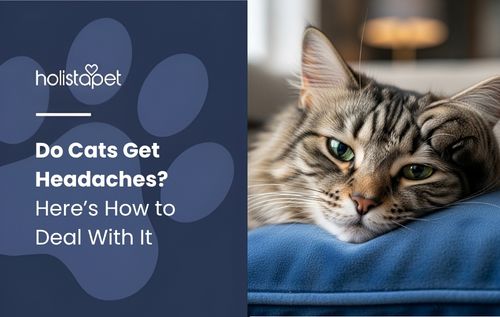
Many cat owners notice subtle changes in behavior and begin to wonder: Do cats get headaches? For more guidance on feline health topics, browse our cat health articles. While cats cannot express pain in the same way humans do, they may experience discomfort linked to underlying conditions such as stress, illness, or injury. Because cats often hide signs of pain, early behavioral changes may help owners better support their comfort.
Because cats often hide signs of pain, recognizing early behavioral changes may help support their comfort and overall well-being.
Do Cats Get Headaches?

Yes, cats may experience headache-like discomfort, although it does not always present the same way as in humans.
Veterinary neurologists suggest that headache-like discomfort may be associated with changes in blood flow, inflammation, or nerve activity affecting the brain and surrounding tissues.
According to the International Veterinary Information Service, headache-like symptoms in cats may be associated with underlying conditions such as head trauma, dental problems, or infections, which fall under secondary headaches rather than primary headaches.
What are the Different Feline Headaches?
Feline headaches may fall into several categories based on their possible causes and symptoms.
- Primary headache-like discomfort: May occur without a clearly identifiable underlying condition, although this is considered uncommon in cats.
- Secondary headache-like discomfort: More common and associated with underlying issues such as infections, dental disease, or head injury.
- Migraine-like sensitivity: Some cats may show increased sensitivity to light or sound, leading them to withdraw or hide in quiet, dark spaces.
- Stress-related discomfort: Stressful environments or changes in routine may contribute to behavioral changes consistent with discomfort.
- Rare neurological episodes: In some cases, neurological conditions may cause unusual behavior and signs of discomfort requiring veterinary evaluation.ye Strain and Vision Problems
What Causes Headache-Like Discomfort in Cats?
Several factors may contribute to head-related discomfort in cats. Most are linked to underlying health or environmental issues.
Head trauma
Injuries to a cat's head can disrupt normal brain function and trigger headache pain. The American Veterinary Medical Association notes that trauma can lead to inflammation and pressure changes, which activate pain receptors and cause significant pain.
Dental disease
Tooth or gum infections may spread discomfort through surrounding nerves, sometimes affecting facial or head sensitivity.
Stress and environmental changes
Loud noises, new surroundings, or disruptions in routine may contribute to stress-related behavioral changes, and understanding why does my feline follow me everywhere can offer additional insight into how stress shapes a cat's behavior.
Medical conditions
Conditions such as infections, hypertension, or neurological disorders may affect the nervous system and contribute to discomfort a cat hard abdomen is one physical sign that may accompany these underlying conditions.
Strong odors or chemicals
Cats have sensitive sensory systems, and exposure to strong scents like cleaning products or air fresheners may cause irritation.
Dehydration or poor nutrition
Inadequate water intake or an unbalanced diet may contribute to overall discomfort and changes in behavior.
What are the Symptoms of Cat Headaches?
Cats may show headache-related discomfort through subtle behavioral and physical changes, including:
- Hiding in dark spaces
- Reduced activity
- Increased sensitivity to light and sound
- Irritability or withdrawal
- Loss of appetite
- Holding the head low
- Poor grooming
- Nausea
How Do I Treat Headaches in Cats?
Treating cat headaches focuses on addressing the underlying cause, easing pain, and improving the cat's environment.
|
Treatment area |
Key actions |
When to use |
Benefit |
Notes |
|
Veterinary care |
Exam and tests |
Ongoing symptoms |
Finds underlying cause |
Needed for serious conditions |
|
Pain relief |
Vet prescribed medication |
Pain or nausea |
Reduces discomfort |
Avoid human drugs |
|
Environment |
Reduce noise and light |
Increased sensitivity |
Limits triggers |
Provide dark spaces |
|
Diet and hydration |
Wet food and fresh water |
Daily care |
Supports health |
Prevents dehydration |
|
CBD |
all-natural CBD treats for cats and natural oil supplement for cats from brands such as HolistaPet |
Stress or mild pain |
May help support a calm behavioral state |
Use with vet guidance |
Veterinary diagnosis and care
A proper vet visit remains the first step to identify the underlying condition causing headache pain.
The American Veterinary Medical Association explains that conditions like infections or head trauma require targeted veterinary care to prevent worsening symptoms.
- Schedule a veterinary clinic check for an accurate diagnosis
- Use prescribed anti-nausea drugs or anti-nausea medication if needed
- Follow treatment for underlying problems
Pain management and medical support
Managing pain may help improve comfort during recovery. Vets may recommend safe options based on the cat's health condition.
- Avoid human medications since they are toxic to animals
- Use vet-approved treatments for severe headaches
- Monitor symptoms and behavioral changes closely
Stress reduction and environmental control
Reducing stress in a cat’s environment may help minimize discomfort and support overall well-being. Environmental factors play a major role.
- Limit loud noises and exposure to other animals
- Keep the cat's environment calm and predictable
- Provide access to dark spaces during light sensitivity
Nutrition and hydration support
A balanced diet may support overall health and normal body function. Proper nutrition may help support overall wellness and hydration in cats.
- Offering wet food may help support hydration levels.
- Ensure constant access to fresh water
- Maintain a consistent daily routine for the cat

Supportive wellness options
Some pet owners consider wellness supplements such as vet-approved CBD oil for cats as part of general calming support routines.
While research on CBD use in cats is still developing, findings from PubMed: Pharmacokinetics and Safety of CBD in Cats offer useful context, and its use should only be considered under veterinary guidance to help ensure safety and appropriate use.
When Do I Visit the Vet for My Cat’s Headaches?
A veterinary visit is recommended if symptoms persist or worsen.
Seek professional care if your cat shows:
- Ongoing behavioral changes
- Severe sensitivity to light or sound
- Loss of appetite or refusal to drink
- Visible signs of pain or head sensitivity
- Symptoms following head injury
- Sudden neurological changes, such as imbalance or disorientation
The American Veterinary Medical Association states that sudden changes in behavior, coordination issues, or signs of significant pain may indicate problems affecting the brain.
Seek immediate veterinary care if symptoms escalate quickly or involve neurological concerns the Cornell Feline Health Center is a trusted resource for understanding serious feline neurological conditions.
Feline Headaches Aren’t Normal
Head-related discomfort in cats is not considered typical and may indicate an underlying condition that requires attention. Early recognition, proper care, and timely veterinary support help protect a cat’s health and prevent ongoing pain.
Frequently Asked Questions
Can cats get migraines?
Yes, cats can experience migraine headaches. Similar to humans, migraines may involve light and sound sensitivity, causing a cat to hide or avoid interaction. These episodes often relate to changes in blood flow and increased sensitivity in the brain.
What triggers headaches in cats?
Common headache triggers include stress, loud noises, environmental changes, and exposure to strong scents like air fresheners. Underlying problems such as infections or dental issues can also trigger headaches.
How long do cat headaches last?
Feline headaches can last from hours to days. Duration depends on the underlying cause and the cat's health condition. Short episodes may resolve with rest, while persistent symptoms often need veterinary care.
Can stress cause headaches in cats?
Yes. Stress that cats experience due to changes in their environment or routine can lead to increased sensitivity and discomfort. Managing stress may help support reduced sensitivity to environmental triggers, as environmental conditions play a significant role in a cat’s overall well-being.
Is head pain in cats painful?
Yes. While cats hide discomfort, signs such as withdrawal, reduced activity, and sensitivity indicate significant pain that affects their behavior and well-being.
Can dehydration cause headaches in felines?
Yes. Lack of fresh water affects blood flow and overall brain function, which may result in discomfort and symptoms linked to head pain.






Leave a comment
All comments are moderated before being published.
This site is protected by hCaptcha and the hCaptcha Privacy Policy and Terms of Service apply.