

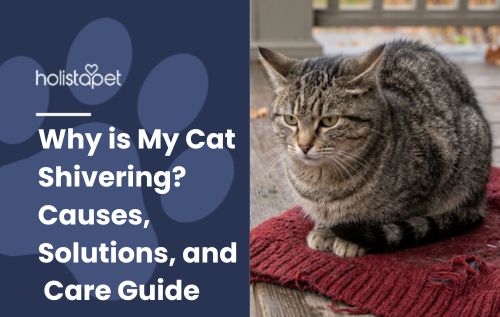
Cat shivering can be mild and temporary or a sign of an underlying health concern. It may happen due to cold temperatures, stress, excitement, or medical conditions affecting a cat’s nervous system or metabolism.
In some cases, trembling may indicate a more serious issue, especially when it appears alongside symptoms such as weakness, pale gums, vomiting, or changes in behavior. Recognizing the cause early can help you decide whether home care is enough or if veterinary attention is needed the Cornell Feline Health Center is a trusted resource for understanding feline health concerns.
Common Causes of Cat Shivering
Cold Temperatures
Cats may shiver when they are exposed to cold environments, especially kittens, senior cats, or those with low body fat.
Other possible signs include:
-
Curling up tightly
-
Cold ears or paws
-
Seeking warm places
Providing a warm blanket or heated resting area may help improve comfort.
Fear, Stress, or Anxiety
Cats are sensitive to changes in their environment. Loud noises, unfamiliar people, travel, or routine disruptions may trigger trembling.
Stress-related shivering may be accompanied by:
-
Hiding or withdrawal
-
Dilated pupils
-
Reduced appetite
Creating a calm and predictable environment may help reduce stress-related symptoms pet parents can also explore cat sedatives for travel for situations involving transport or sudden environmental changes.
Deep Sleep and Dreaming
Mild twitching or shaking during sleep is often normal. Cats may move their paws, whiskers, or body while dreaming.
These movements are usually brief and stop once the cat wakes up. No treatment is needed if the cat appears healthy otherwise.
Pain or Injury
Shivering may be a response to pain caused by injury, arthritis, or internal discomfort.
Possible warning signs include:
-
Reduced activity
-
Sensitivity to touch
-
Hiding or unusual posture
If shivering appears suddenly after a fall or trauma, veterinary evaluation is recommended.
Low Blood Sugar
 Low blood sugar may cause trembling, weakness, or confusion. It is more common in diabetic cats but can occur in other situations as well.
Additional symptoms may include:
-
Disorientation
-
Lethargy
-
Collapse in severe cases
In emergencies, a veterinarian may advise applying a small amount of honey or glucose solution to the gums while seeking immediate care.
Ear or Neurological Conditions
Inner ear infections or neurological disorders may affect balance and cause tremors or head shaking.
Possible signs include:
-
Loss of balance
-
Head tilting
-
Abnormal walking patterns
Persistent symptoms should be evaluated by a veterinarian for proper diagnosis.
Fever, Heat Stroke, or Severe Illness
Infections, inflammation, or overheating may cause shaking due to changes in body temperature.
Watch for:
-
Vomiting
-
Weakness
-
Changes in gum color or breathing
These symptoms may require urgent veterinary attention.
Toxic Exposure or Medical Conditions
Exposure to toxins or conditions such as kidney disease or electrolyte imbalance may lead to shivering.
These conditions may affect:
-
Nervous system function
-
Muscle control
-
Overall energy levels
Diagnostic tests such as bloodwork or imaging may be needed to identify the cause, and monitoring stool changes with a cat poop chart can also provide useful early clues about digestive or systemic health.
When to See a Veterinarian
Seek veterinary care if your cat’s shivering:
-
Lasts longer than a few minutes
-
Happens frequently
-
Appears suddenly without an obvious cause
Emergency warning signs include:
-
Difficulty breathing
-
Seizures or collapse
-
Pale or blue gums
-
Severe weakness
-
Vomiting or loss of balance
Immediate care is especially important if symptoms follow trauma, toxin exposure, or suspected heatstroke.
Are There Home Solutions for Feline Shivering?
Yes. Some cases of cat shivering improve at home when the cause involves stress, cold temperatures, or mild discomfort.
|
Home Solution |
Helps With |
Signs It May Help |
When To Seek Veterinary Attention |
|
Warm blanket and heat support |
Cat feels cold |
Cold limbs and mild trembling |
Persistent shaking or pale gums |
|
Calm environment |
Stress related cat shaking |
Hiding and nervous cat's behavior |
Difficulty breathing or collapse |
|
Honey or maple syrup |
Low blood sugar |
Weakness and shaking cat episodes |
Confusion or seizures |
|
Mild anxiety and tension |
Stress during travel or loud noises |
Severe illness or ongoing cat tremors |
Keep the Cat Warm and Comfortable
A cat feels cold faster during illness, stress, or low body fat. Gentle warmth can help support normal body temperature and reduce shaking in cats.
-
Use a warm blanket or heated pet bed
-
Keep the room quiet and draft free
-
Avoid loud noises and sudden disruptions
-
Monitor cat's temperature and overall behavior
Reduce Stress Triggers
Stress-related cat shaking often improves once the environment feels safe again.
The Ohio State University Indoor Pet Initiative found that stable routines and calm spaces help lower stress behaviors in cats.
Simple calming aids may help:
-
Dim lighting and reduce activity around the cat
-
Keep food, water, and litter box access nearby
-
Avoid frequent handling during a shaking episode
-
Maintain a calm environment during storms or travel
Support Blood Sugar Levels Carefully
Low blood sugar can cause cat shivering, weakness, and involuntary movement. Diabetic cats face a higher risk during missed meals or insulin imbalance.
Emergency support may include:
-
Rubbing honey or maple syrup on the gums
-
Offering a small meal once the cat becomes alert
-
Seeking emergency care if symptoms continue
Supporting Calmness and Comfort
Stress-related trembling may improve when environmental triggers are reduced.
Helpful strategies include:
-
Maintaining a consistent daily routine
-
Providing safe hiding spaces
-
Reducing exposure to loud sounds or visitors
-
Using gentle calming routines during travel or storms
Nutritional and Wellness Support
In some cases, maintaining balanced nutrition and calm behavior support may help overall comfort and well-being.
Some pet wellness products, including hemp-based supplements, are used by pet owners to help support relaxation in stressful situations.
HolistaPet offers cat wellness options that may help support calm behavior when used appropriately and under veterinary guidance, including:
-
Cat treats with CBD
-
Hemp extract drops for cats
-
Cat calming treats
These products are third-party tested and made using broad-spectrum hemp extract, with safety considerations outlined in research from PubMed: Pharmacokinetics and Safety of CBD in Cats. Always consult a veterinarian before introducing new supplements.
Frequently Asked Questions
Can dehydration cause cat shivering?
Yes. Dehydration can trigger weakness, trembling, and low energy in cats. Dry gums, sunken eyes, and reduced appetite often appear alongside the shaking.
Do older cats shake more often?
Yes. Senior cats face more health issues linked to pain, arthritis, kidney disease, and neurological conditions. Age-related discomfort may cause mild cat tremors during movement or rest.
Can a cat shiver after vaccinations?
Yes. Some cats develop mild trembling or tiredness after vaccines. These reactions usually fade within a day. Contact your veterinarian if swelling, vomiting, or breathing problems appear.
Why does a cat shake after eating?
Cats may shake after eating because of nausea, dental pain, or digestive discomfort. Fast eating can also trigger temporary trembling in sensitive cats.
Is cat shivering normal during travel?
Yes. Many cats shake during car rides because stress and motion affect cat's behavior and body responses. A secure carrier and calming aids may help reduce anxiety during travel find additional guidance in this overview of cat sedatives for travel and broader cat care advice for managing stress-prone situations.
Can parasites cause shaking?
Severe parasite infestations may lead to weakness and trembling due to poor health and nutrient loss.
Should a cat eat during a shivering episode?
Only if the cat stays alert and responsive. Food may help cats dealing with mild low blood sugar. Avoid force feeding and seek veterinary attention if the cat seems weak or confused.
Conclusion
Cat shivering can have many causes ranging from harmless environmental triggers to more serious medical conditions. Observing your cat’s behavior and identifying accompanying symptoms is key to understanding the severity.
If shivering is persistent, severe, or combined with other warning signs, veterinary evaluation is the safest approach.






Leave a comment
All comments are moderated before being published.
This site is protected by hCaptcha and the hCaptcha Privacy Policy and Terms of Service apply.