

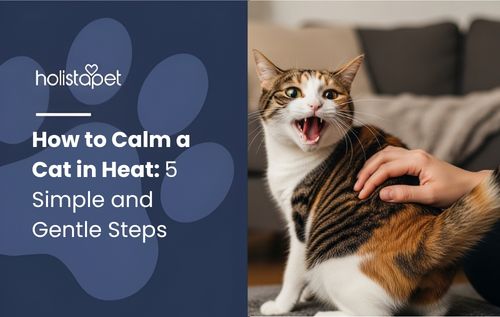
A cat in heat often cries, paces, and demands attention nonstop. This behavior can feel overwhelming, but a few simple, gentle actions can calm the situation and help the cat settle faster.
How Do Female Cats Act When in Heat?

Female cats in heat show clear, intense behavior changes driven by hormones. These actions focus on attracting a mate and can feel constant and disruptive.
Common signs include:
- Loud, repeated vocalization that sounds like crying or yowling
- Restlessness and pacing around the home
- Increased affection, such as rubbing against people or objects
- Raising the hindquarters and moving the tail to the side
- Frequent attempts to go outside
Some cats also show:
- Reduced appetite
- Spraying small amounts of urine
- Rolling on the floor or stretching more than usual
These behaviors can start suddenly and last for several days, often repeating in cycles until the heat period ends.
Does Spaying Help with Heating Behavior?

Spaying stops heat behavior because it removes the ovaries, which produce the hormones that drive the cycle. Without these hormones, the behaviors linked to heat no longer occur.
Veterinary research supports this outcome:
- The American Veterinary Medical Association states that spaying eliminates estrous cycles and the behaviors tied to them
- Cornell University College of Veterinary Medicine explains that estrogen triggers heat behaviors, and surgery removes the source
After spaying, most cats show:
- No vocalization linked to mating behavior
- Stable mood and activity levels
- No urge to roam or escape
Additional benefits include:
- Lower risk of uterine infections such as pyometra
- Reduced chance of mammary tumors, especially when done early, according to the American Animal Hospital Association
Behavior changes usually appear quickly after recovery. Hormone levels drop, and the cat returns to a more relaxed and consistent routine.
How Can I Calm a Cat in Heat?
Calm a cat in heat by reducing stimulation, increasing comfort, and redirecting restless energy. Simple, consistent actions can ease the intensity and help the cat settle.
Step #1. Create a Calm and Quiet Space
A low-stress environment helps reduce agitation. Loud noise and activity can make behaviors more intense.
- Keep the cat indoors and away from windows or doors
- Lower noise levels and limit sudden movement
- Provide a dim, quiet resting area
Step #2. Use Gentle Physical Comfort
Physical touch can soothe tension and help release built-up energy.
- Pet along the back and base of the tail if the cat responds well
- Offer a warm blanket or heating pad on a low setting
- Stay consistent with calm, slow interaction
Research from the American Association of Feline Practitioners shows that predictable, low-stress handling improves feline emotional regulation.
Step #3. Increase Play and Mental Stimulation
Short bursts of play can redirect restless behavior and reduce pacing.
- Use interactive toys like feather wands or laser pointers
- Schedule multiple short play sessions throughout the day
- End play with food to encourage rest
Step #4. Try Natural Calming Support
Some cats respond well to plant-based calming options that support relaxation.
- Use pheromone diffusers to mimic natural calming signals
- Consider CBD support for stress relief
HolistaPet offers CBD options designed for pets, including CBD Cat Treats for Anxiety and CBD Oil for Cats. These products support calm behavior without harsh sedatives and fit easily into a daily routine.
A 2020 review in Frontiers in Veterinary Science noted that cannabinoids may help regulate stress responses in animals, though more feline specific studies continue to develop.
Step #5. Maintain a Clean Environment
Strong scents can trigger more marking behavior and agitation.
- Clean litter boxes frequently
- Remove any sprayed areas promptly
- Use unscented cleaners to avoid overstimulation
Consistent hygiene helps reduce repeated marking and keeps the space more relaxing for the cat.
When Do I See the Vet for Feline Heating Issues?

See a vet if heat behavior becomes extreme, prolonged, or paired with signs that suggest a health issue. Most heat cycles follow a pattern, so anything outside that pattern needs attention.
Seek veterinary care if you notice:
- Heat signs that last longer than two weeks
- Cycles that repeat with little to no break
- Sudden behavior changes that seem more intense than usual
Watch for possible medical concerns:
- Lethargy or weakness
- Loss of appetite that continues for more than a day
- Vaginal discharge or bleeding
- Frequent urination with signs of discomfort
The ASPCA notes that abnormal discharge or prolonged cycles can point to infections or reproductive disorders that require prompt care.
A vet visit also helps if calming methods fail to reduce stress. A professional can assess hormone activity, rule out underlying conditions, and recommend safe next steps.
Heating Can Make Cats Go Nuts
Managing a cat in heat comes down to calm routines, comfort, and close observation. Use simple steps to reduce stress, and involve a vet if behavior or symptoms go beyond the normal cycle.
Frequently Asked Questions
How long does a cat’s heat cycle usually last?
A typical cat’s heat cycle lasts about 5 to 10 days, but some cats experience frequent heat cycles, especially during peak breeding season. If a female cat does not mate, the cycle can repeat every few weeks. Most cats will go through their first heat between 4–6 months of age.
How can I tell if my cat is in heat?
When a cat is in heat, you’ll notice behaviors like loud vocalizing, restlessness, and increased affection. A cat in heat may also try to escape, rub against surfaces, or raise her hindquarters. Some cat owners worry when they see discharge, but unlike dogs, cats bleed very minimally or not at all.
Do male cats react to a female cat in heat?
Yes, male cats can detect a female cat’s heat cycle from a distance. This often leads to behaviors like pacing, agitation, and attempts to reach the female cat. Some may even spray urine to mark territory when they sense other cats nearby.
How can I calm a cat in heat at home?
To help a cat feel more relaxed, create a calm environment, reduce noise, and keep your feline friend indoors. Provide distractions like a cat tree, toys, or soft bedding to keep your cat occupied. Some owners even use ambient electronic music to soothe their cat’s discomfort during the feline heat cycle.
Should I keep my cat indoors during heat?
Yes, keeping indoor cats inside is essential when a cat is in heat. Even outdoor cats should be brought in to prevent escape attempts, unwanted pregnancies, and contact with other cats. Secure doors, windows, and even cat flaps if needed.
What’s the best way to prevent heat cycles?
The most effective way to prevent heat cycles is to have your cat spayed. Spaying stops the feline heat cycle, reduces health risks, and helps avoid unwanted litters and unwanted pregnancies.
Is it harmful if my cat goes through repeated heat cycles?
Yes, repeated cycles in an unspayed cat can increase health issues over time, including a higher risk of mammary tumors. Spaying not only prevents cycles but also supports a healthier life overall.
Do all cats experience heat the same way?
No, behavior varies. While most cats show obvious signs, some may have milder symptoms. However, any cat in heat will experience hormonal changes that can affect behavior, appetite, and routine habits like using the litter box.
How can I help my cat stay comfortable during heat?
Keep your cat stay relaxed by maintaining a clean space, offering affection, and minimizing stress. A quiet routine, clean litter box, and enrichment activities can reduce cat’s discomfort during the cycle.
Do cats gain weight or change physically during their reproductive cycle?
During the reproductive cycle, most cats do not gain weight directly from being in heat. However, behavior changes like reduced appetite or restlessness can affect their routine. You may notice signs like loud meowing, pacing, or clinginess instead. To help your cat stay comfortable, provide a heated blanket for warmth and consider calming music to reduce stress. For a long-term solution, the spay procedure can regulate hormones, stop heat behaviors, and support overall health. These heat faqs help cat owners better understand what’s normal and how to respond.







Leave a comment
All comments are moderated before being published.
This site is protected by hCaptcha and the hCaptcha Privacy Policy and Terms of Service apply.