

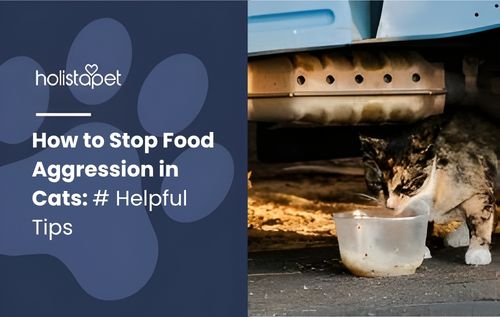
Food aggression in cats can make meal times tense and unpredictable. This behavior often comes from fear, food scarcity, or past experiences.
To stop food aggression, focus on the cat's behavior and build a calm, consistent feeding routine.
How Do I Stop Cat Food Aggression?

Food aggression in cats can stop once clear structure and calm routines take over. Focus on reducing stress, managing the environment, and guiding better behavior during meals.
|
Key Area |
What to Do |
Warning Signs to Watch |
Why It Helps |
|
Feeding Setup |
Use separate areas, quiet space, and distance between food bowls |
Growling, hissing, ears pinned |
Creates a safe feeding environment and lowers stress |
|
Meal Routine |
Follow a consistent feeding schedule with small meals |
Acting impatient or overly tense |
Builds trust and reduces anxiety around meals |
|
Multi Pet Management |
Feed multiple cats separately and provide enough food bowls |
Cats act aggressively near others |
Helps reduce competition and resource guarding |
|
Environmental Control |
Limit loud noises and block view of stray cat or other animals |
Dilated pupils, defensive behaviors |
Prevents fear aggression and trigger redirected aggression |
|
Behavior Redirection |
Use puzzle feeders, interactive toys, and play before meals |
Fixation on food, sudden aggression |
Redirects energy and improves overall behavior |
|
Pet Interaction |
Avoid petting during meals and give space |
Biting, swatting, tension |
Prevents petting induced aggression |
|
Stress Management |
Maintain calm household routine and monitor presence of other pets |
Anxiety, hiding, food guarding |
Supports better feline health and behavior |
|
Calming Support |
Use CBD treats or oils from Holistapet if recommended by a veterinarian |
Persistent aggressive behavior |
May help reduce anxiety linked to aggression |
|
Health Monitoring |
Check for medical problems with a veterinarian |
Sudden behavior change, not eating |
Rules out pain or illness affecting cat health |
|
Ongoing Observation |
Pay close attention during meal times and adjust approach as needed |
Repeated aggression patterns |
Helps pet parents manage and improve behavior |
Create a Safe Feeding Environment

A calm setup lowers anxiety and prevents an aggressive cat from reacting to other's presence.
- Feed in a quiet space away from loud noises and distractions
- Use separate areas for multiple cats or other pets
- Place food bowls far apart to reduce competition
- Close the door if needed to block visual triggers
Follow a Consistent Feeding Schedule
Unpredictable meals can trigger food aggression and defensive behaviors.
- Feed at the same time every day
- Offer small meals instead of one large portion
- Avoid free feeding in multi cat homes
- Keep routines stable to re establish trust around food
Reduce Competition Between Pets
Tension rises fast in homes with many cats or other pets.
- Separate feeding zones for each animal
- Provide enough food bowls for every cat
- Add extra litter boxes to reduce overall stress
- Watch closely during meal times for warning signs like ears pinned or growling
Use Enrichment to Redirect Behavior
Mental stimulation helps reduce aggressive behavior tied to food.
- Introduce puzzle feeders to slow eating
- Use interactive toys before meals to release energy
- Offer a favorite toy to shift focus away from food
- Keep play sessions short but consistent
Address Underlying Triggers
Some cats act aggressively due to fear aggression, territorial aggression, or redirected aggression.
- Identify potential triggers like loud noises or the presence of a stray cat outside
- Watch for signs like dilated pupils, hissing, or biting
- Avoid petting during meals to prevent petting induced aggression
- Manage stress levels across the house
Research from the American Association of Feline Practitioners shows that stress and environmental conflict often drive cat aggression, especially in indoor cats and multi-cat homes.
Consider Calming Support Options
Pet owners sometimes use CBD-based calming supplements for cats only under veterinary supervision to support relaxation in stressful situations. These products interact with the endocannabinoid system, which plays a role in regulating mood and stress responses.
Veterinarians recommend these supplements only after evaluating the cat’s condition and confirming that behavioral changes alone are not effective. A licensed veterinarian evaluates dosage and suitability to ensure safe use for each cat.
A 2019 study published in Frontiers in Veterinary Science found that cannabinoids interact with anxiety and stress pathways in animals, though results remain limited and require further research on behavioral effects.”
Rule Out Medical Problems
Health issues often trigger sudden changes in a cat’s behavior, especially during feeding.
- Schedule a checkup with a veterinarian
- Look for signs of pain during meals
- Monitor changes in appetite or eating habits
- Address any underlying cat health concerns quickly
What are the Signs of Feline Food Aggression?

Food aggression in cats shows through clear warning signs during meal times. These behaviors signal stress, fear, or resource guarding and often appear when food or other's presence feels like a threat.
- Growling or hissing near food bowls
- Ears pinned back while eating
- Dilated pupils and intense staring
- Swatting, biting, or lunging at other cats, pets, or humans
- Eating too fast or guarding food aggressively
- Blocking access to food from other cats
- Acting tense or alert even after meals end
- Chasing others away from feeding areas
- Reacting strongly to nearby movement or noise
- Showing defensive behaviors when approached while eating
Why Is My Cat Aggressive with Food?
Cats often develop food aggression due to instinctive behavior, environmental stress, or learned experiences. Cats act aggressively around food when they feel threatened, anxious, or forced to compete.
Instinct and Resource Guarding
Cats protect food because survival instincts still drive behavior.
- Food scarcity in early life can shape long term habits
- A stray cat background often increases resource guarding
- One cat may act aggressively to secure meals
- The animal sees food as a limited resource
Stress in Multi Cat Homes
Tension rises when many cats share the same space.
- Other cats nearby can trigger aggressive behavior
- Lack of space increases territorial aggression
- Competition during meals creates conflict
- Indoor cats feel pressure without escape routes
Research from the American Association of Feline Practitioners states that social stress remains a major cause of cat aggression in shared environments.
Fear and Anxiety
Fear aggression develops when a cat expects a threat.
- Loud noises during meals increase anxiety
- Sudden movement or humans approaching can trigger reactions
- Past negative experiences around food create lasting fear
- Defensive behaviors appear quickly when the cat feels unsafe
Learned Behavior from Past Experiences
Cats repeat actions that worked before.
- Fighting for food in the past reinforces aggressive behavior
- Irregular feeding routines confuse expectations
- The cat learns to act aggressively to protect access
- Early competition with other pets shapes habits
Redirected Aggression and Triggers
Cats sometimes react to one trigger but target something else.
- Seeing another animal outside can trigger redirected aggression
- Frustration builds when the cat cannot reach the trigger
- The cat may attack nearby pets or humans instead
- Environmental stress increases sudden reactions
A study published in Applied Animal Behaviour Science explains that redirected aggression occurs when a cat cannot act on the original stimulus, leading to misdirected attacks.
Medical or Health Related Causes
Pain or illness alters a cat’s behavior during feeding and may increase food-related defensiveness.
- Medical problems may increase irritability
- Hunger changes linked to health issues affect behavior
- Eating discomfort may lead to defensive or aggressive behavior during meals
- A veterinarian can rule out underlying feline health concerns
Failing to consider health factors may delay appropriate treatment and contribute to ongoing behavioral issues.
Can I Prevent Food Aggression in Cats?
Yes, food aggression in cats can be prevented with early structure, proper management, and consistent routines. By using positive reinforcement, you can reward calm behavior during feeding time, helping your cat associate food with a relaxed and safe environment. Focus on reducing stress, limiting competition, and shaping calm behavior around food from the start.
- Feed meals on a consistent feeding schedule to build predictability
- Use separate areas for cats in multi cat homes to reduce competition
- Provide enough food bowls so no cat feels the need to guard resources
- Create a quiet space during meal times to limit anxiety triggers
Start prevention early, especially with indoor cats and homes with other pets. Control the environment before aggressive behavior develops.
- Keep distance between cats while they eat
- Remove visual access to other animals if needed
- Avoid interrupting a cat while it eats
- Watch for early warning signs like growling or tension
Support calm behavior through daily habits that reduce stress and improve feline health.
- Offer small meals instead of large portions
- Use puzzle feeders to slow eating and reduce urgency
- Add interactive toys before meals to release energy
- Maintain clean litter boxes to lower overall household stress
Research from the American Veterinary Medical Association shows that stable routines and environmental control play a key role in preventing aggression in cats.
When Do I Visit the Vet for My Cat’s Food Aggression?
Visit a veterinarian when food aggression appears suddenly, escalates quickly, or includes intense aggression like biting or uncontrollable behavior. Seek help if the cat shows signs of pain while eating, refuses food, or displays changes in appetite that affect cat health.
A vet should also assess cases where aggressive behavior does not improve despite consistent management, as medical problems or underlying anxiety may drive the issue.
Keep Your Kitty Nice During Meal Times
Food aggression in cats improves with structure, patience, and close attention to behavior. Create a calm feeding routine, manage triggers, and support feline health to keep meal times peaceful for both cats and humans.
Frequently Asked Questions
Can food aggression in cats get worse over time?
Yes. Food aggression can escalate if pet parents ignore warning signs or fail to manage triggers. Repeated stress and competition can lead to stronger aggressive behavior.
Does switching to wet food help reduce food aggression?
Wet food can help in some cases because it increases satiety and slows eating. However, it will not fix food aggression without proper routine and environment control.
Should cats eat together or separately?
Cats should eat separately in most cases. Separate feeding reduces tension, prevents resource guarding, and helps each cat feel secure during meals.
Can treats make food aggression worse?
Yes. Giving treats at random times can create confusion and increase competition. Controlled treat use during calm behavior helps manage aggression better.
How long does it take to stop food aggression in cats?
It depends on the cat's behavior and past experiences. Some cats improve within weeks, while others need longer with consistent management and gradual desensitization.
Is food aggression more common in indoor cats?
Indoor cats may show food aggression more often in multi cat homes due to limited space and constant exposure to other pets, which can increase stress.
Can a cat become aggressive only during meals?
Yes. Some cats show aggression only during meal times due to food related anxiety or learned behavior, while remaining calm in other situations.
Do kittens develop food aggression too?
Yes. Kittens can develop food aggression, especially if they compete for food early or experience food scarcity. Early training helps prevent long term issues.









Leave a comment
All comments are moderated before being published.
This site is protected by hCaptcha and the hCaptcha Privacy Policy and Terms of Service apply.