

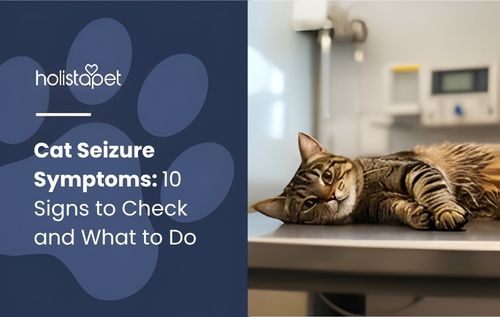
A cat’s seizure can happen without warning and quickly turn into a medical emergency. Sudden collapse, loss of bladder control, or strange behavior often signal abnormal brain activity in the cat's brain.
Recognizing cat seizure symptoms early helps pet owners act fast, identify the underlying cause, and protect their cat's life.
What are Cat Seizures?

Cat seizures refer to sudden episodes of abnormal electrical activity in the cat's brain that disrupt normal function. These events can appear as focal seizures that affect a small part of the body or generalized seizures that involve the entire body, including grand mal seizures where a cat may lose consciousness.
According to the International Veterinary Epilepsy Task Force, epileptic seizures occur when a sudden surge of abnormal brain activity overwhelms the nervous system, often linked to an underlying medical condition such as metabolic disorders, toxin exposure, or a brain disorder, while resources like Cornell Feline Health Center
provide additional feline neurological health information.
What are the Symptoms of Cat Seizures?
Cat seizure symptoms show up as sudden physical and behavioral changes caused by abnormal electrical activity in the cat's brain. These signs can vary depending on the type of seizures in cats and the underlying cause.
- Sudden collapse: The cat may fall over without warning and lose control of its body.
- Lose consciousness: Many generalized seizures, including grand mal seizures, cause a complete loss of awareness.
- Whole body shaking: The entire body may stiffen and jerk during grand mal episodes.
- Focal movements: Focal seizures or partial seizures may cause twitching in one area, such as the face or limbs.
- Strange behavior: The pre ictal phase often includes restlessness, hiding, or unusual vocalization.
- Loss of bladder control: Some cats urinate or defecate during a cat's seizure.
- Drooling or foaming: Excess saliva can appear during epileptic seizures.
- Chewing motions: Repetitive jaw movements often occur in petit mal seizures or focal episodes.
- Disorientation after episode: The post ictal phase may include confusion, pacing, or temporary blindness for a short period or even a few hours.
- Repeated episodes: Cluster seizures or multiple seizures may occur close together, which signals a medical emergency.
Some cats may also react suddenly to noises or stimulation before an episode, similar to behaviors discussed in our startled cat guide.
Why Do Cats Get Seizures?

Cats get seizures due to disruptions in the nervous system, often linked to an underlying disease, toxin exposure, or abnormal brain activity.
Intracranial Causes
Problems within the cat's brain often trigger seizures and may worsen over time.
- Brain tumors, especially in older cats
- Head trauma that damages brain tissue
- Infections like feline infectious peritonitis and feline leukemia
- Brain disorder affecting normal signaling
The American College of Veterinary Internal Medicine states that intracranial causes often lead to recurrent seizures due to structural damage in the brain.
Metabolic and Systemic Conditions
Imbalances in the body can interfere with brain function and trigger seizures.
- Low blood sugar
- Kidney disease or kidney failure
- Liver disease affecting toxin filtration
- High blood pressure
- Metabolic disorders and metabolic diseases
These conditions often appear in blood tests and require appropriate treatment to control seizures.
Supporting overall wellness with proper nutrition and products from our cat CBD tincture collection may help maintain daily comfort alongside veterinary care.
Toxin Exposure
Certain chemicals and medications can disrupt brain activity quickly.
- Toxin ingestion from household substances
- Dog flea products applied to cats
- Tick medication not formulated for feline use
The ASPCA Animal Poison Control Center reports that toxin exposure remains a common cause of sudden seizures in cats.
Epilepsy
Some cats develop seizures without a clear structural or metabolic cause.
- Idiopathic epilepsy with no identifiable trigger
- Primary epilepsy linked to genetic factors
- Recurrent seizures that occur over time
Veterinary medicine classifies these as epileptic seizures when no underlying medical condition appears after testing.
Other Contributing Factors
Additional health issues can increase the risk of seizures.
- Underlying medical condition affecting overall health
- Infectious diseases that impact the nervous system
- Conditions that trigger seizures under stress or illness
Seizures depends on identifying the underlying cause, which guides diagnosis and long term care.
When Do I Get My Cat to the Vet When They’re Having Seizures?

Get emergency veterinary care right away when a cat's seizure shows signs of risk to the cat's life or points to a serious underlying cause.
Act immediately in these situations:
- A seizure lasts more than a short period or does not stop
- Status epilepticus occurs, where seizure activity continues without recovery
- Cluster seizures or multiple seizures happen close together
- More than one seizure appears within a few hours
- The cat struggles to breathe, overheats, or does not regain awareness
Contact a vet as soon as possible after any seizure, even if it stops on its own. A first seizure always needs evaluation to identify the underlying medical condition and prevent repeated seizures.
Watch for warning patterns that need prompt care:
- Behavioral changes before or after episodes
- Recurrent seizures over time
- Signs of toxin ingestion or toxin exposure
- Symptoms linked to kidney disease, liver disease, or low blood sugar
While waiting for help, remain calm and keep the cat safe from injury. Do not restrain the body or place anything in the mouth.
Track the episode using a seizure log, including duration, symptoms, and recovery time, to support accurate diagnosis and appropriate treatment.
What Can I Do At Home to Help with Feline Seizures?

Home care focuses on keeping the cat safe, reducing triggers, and supporting long term control seizures alongside veterinary guidance.
Keep the Cat Safe During Episodes
Create a safe space to prevent injury during a cat's seizure.
- Move objects away to avoid head trauma
- Keep the area quiet to reduce stress on the nervous system
- Do not touch the mouth or try to stop movements
- Dim lights to avoid overstimulation that may trigger seizures
Track and Monitor Seizure Activity
Consistent tracking helps identify patterns and guide appropriate treatment.
- Maintain a detailed seizure log with time, duration, and symptoms
- Note pre ictal phase signs like strange behavior
- Record post ictal phase recovery, including confusion or pacing
- Watch for repeated seizures or changes in frequency
Veterinary medicine relies on this data to adjust anticonvulsant medication and evaluate the underlying cause.
Pet parents researching calming support options often explore the best cbd oil for feline wellness routines and stress management.
Support Overall Health
Stable health reduces the risk of abnormal electrical activity.
- Follow prescribed anticonvulsant medication exactly
- Schedule regular blood testing to monitor organ function
- Manage conditions like kidney disease, liver disease, or metabolic disorders
- Ensure proper nutrition to avoid low blood sugar
The American Veterinary Medical Association states that managing an underlying disease improves outcomes and helps prevent seizures.
Reduce Environmental Triggers
Limit factors that may trigger seizures in sensitive cats.
- Avoid toxin exposure from household chemicals
- Use only cat safe flea and tick medication
- Keep routines consistent to reduce stress
- Monitor for toxin ingestion risks indoors
Natural Support Options
Some pet parents learn supportive options alongside standard care.
- CBD products are marketed for supporting relaxation in pets, but evidence in cats remains limited and inconclusive.
- Some commercial CBD products for pets include oils, grain-free CBD cat treats, and supplements designed for cats, but veterinary approval varies by product.
- Products like CBD Cat Treats or feline oil supplement options may influence relaxation behavior in some animals, but clinical evidence in cats remains limited.
A 2019 study published in Frontiers in Veterinary Science noted that cannabinoids may influence abnormal brain activity, though more research in cats remains ongoing. Always consult a vet before adding supplements.
Address Cat Seizures Right Away
Act fast when seizures appear. Early action helps identify the underlying cause, guide appropriate treatment, and protect the cat's life.
Consistent care, monitoring, and veterinary support give cats the best chance at a healthy life.
For more feline wellness topics and symptom management tips, explore our expert cat care advice hub.
Frequently Asked Questions
Can a single seizure in cats be harmless?
Yes, a single seizure can appear without immediate danger. Some cats experience a one time episode with no lasting effects, but a vet still needs to check for an underlying medical condition and rule out early signs of recurrent seizures.
How long does the post ictal phase last in cats?
It can last minutes to a few hours. During this time, cats may show disorientation, temporary blindness, or unusual behavior as the cat's brain recovers from abnormal electrical activity.
Can stress alone trigger seizures in cats?
No, stress alone rarely causes seizures. It can trigger seizures in cats that already have a brain disorder or underlying disease, which makes identifying root causes essential.
Are seizures more common in older cats?
Yes, older cats face higher risk. Age related conditions like brain tumors, kidney failure, and high blood pressure increase the likelihood of seizures and require closer monitoring.
Do cats feel pain during seizures?
No, most cats do not feel pain during the episode. They often lose consciousness, but the physical strain and repeated seizures can still affect overall health.
Can diet affect seizures in cats?
Yes, diet plays a role in some cases. Poor nutrition or low blood sugar can trigger seizures, while balanced meals help support stable brain function and reduce risks.
What tests help diagnose seizures in cats?
Blood tests, spinal tap, and cerebrospinal fluid analysis help identify causes seizures in cats. These tests detect infections, metabolic disorders, and intracranial causes.
Can seizures shorten a cat's life?
Yes, severe or untreated seizures can become life threatening. Proper treatment, seizure control, and regular monitoring help many cats maintain a healthy life.








Leave a comment
All comments are moderated before being published.
This site is protected by hCaptcha and the hCaptcha Privacy Policy and Terms of Service apply.