

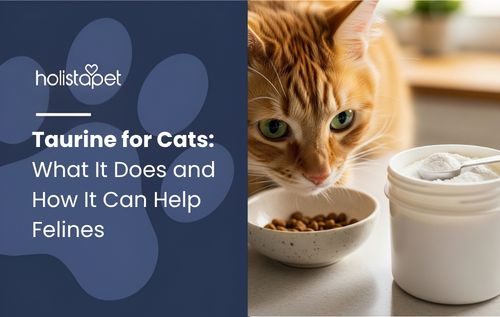
Taurine is an essential amino acid that cats must get from their diet because their bodies cannot produce enough on their own. It plays a crucial role in supporting vision, heart function, digestion, and reproduction. This article explains taurine’s benefits for cats, identifies signs of deficiency, and shows practical ways to provide adequate taurine through diet and supplementation.
What is Taurine?

Taurine is an essential amino acid that cats must get from their diet. Their bodies cannot produce enough of it on their own. It supports critical functions such as vision, heart health, digestion, and reproduction.
Why Do Cats Need Taurine?
Cats rely on taurine to support vital systems that keep them alive and functioning well. Their bodies use it in ways that directly affect long-term health.
Taurine plays a key role in maintaining normal vision. Studies published in the Journal of Nutrition show that taurine deficiency may cause feline central retinal degeneration (FCRD), a progressive condition that can permanently impair a cat's vision.
It also supports proper heart function. Research by Pion et al. found that taurine deficiency may trigger dilated cardiomyopathy, a condition where the heart muscle weakens and struggles to pump blood effectively.
Beyond the heart and eyes, taurine supports several internal processes:
- Helps form bile salts that aid fat digestion
- Supports a healthy immune response
- Maintains proper electrolyte balance in cells
- Contributes to normal fetal development in pregnant cats
Taurine also affects a cat’s nervous system and overall energy regulation. Without enough of it, the body struggles to maintain normal cellular function, which can lead to gradual health decline.
Related Post: Valerian Root for Cats - Benefits Explained
What’s the Best Way to Give Taurine to Cats?
The best way to give taurine to cats is through a complete diet, with supplements added only when needed.
|
Method |
Best For |
Key Benefit |
Notes |
|
Complete cat food |
Healthy cats |
Meets daily needs |
Most reliable option |
|
Powder supplements |
Easy mixing |
Consistent intake |
Works well with wet food |
|
Liquid supplements |
Precise dosing |
Simple use |
Good for small cats |
|
Tablets or capsules |
Direct dosing |
Controlled intake |
May need manual feeding |
|
Vet guided plans |
Medical support |
Customized dosing |
Requires supervision |
1. Feed a Complete and Balanced Cat Food
A high-quality commercial diet already includes sufficient taurine.
- After AAFCO updated its nutritional standards, most commercial cat food manufacturers began adding supplemental taurine to their formulas.
- Animal-based proteins provide natural taurine
- Suitable for healthy cats with standard nutritional needs
2. Add Taurine Supplements When Needed
Supplements help when diet alone does not meet requirements.
- Available as powder, liquid, capsules, or tablets
- Common doses range from 250 to 500 mg per serving
- Safe due to low toxicity risk, even at higher intake levels
Veterinarians often recommend this for cats on homemade diets or with specific health conditions.
3. Mix Taurine Powder Into Meals
Mixing powder into food ensures consistent intake.
- Blends well with wet food
- Reduces missed doses
- Supports steady absorption
4. Choose Targeted Supplements for Daily Support
Some products combine taurine with other functional ingredients, including hemp-derived oil for cats and calming wellness blends. HolistaPet's taurine-inclusive formulas stand out for combining amino acid support with broad-spectrum wellness ingredients [including hemp-derived compounds and natural botanicals] in a single daily supplement. This approach suits cats whose owners want to consolidate a multi-supplement routine without sacrificing ingredient transparency. Every formula lists its active compounds and omits artificial fillers, making it easier to verify what your cat actually receives per serving.
Some feline wellness routines also include THC-free treats for cats or daily wellness drops for cats alongside nutritional support.
5. Follow Vet Guided Dosing
Dosing depends on weight, diet, and health status.
- General guidance ranges from 35 to 50 mg per kg of body weight
- Some cases require higher intake under supervision
- Adjustments depend on clinical needs
When Do I Know If My Cat Needs Taurine?

Cats need taurine when signs of deficiency start to appear or when their diet lacks proper nutrition.
- Vision problems: Difficulty seeing in low light or bumping into objects
- Heart issues: Lethargy, weakness, or signs linked to dilated cardiomyopathy
- Poor growth: Slow development in kittens or weight loss in adults
- Reproductive problems: Trouble conceiving or unhealthy pregnancies
- Digestive issues: Poor fat digestion or irregular stool
- Low energy levels: Reduced activity, increased fatigue
- Dull coat condition: Dry, rough, or thinning fur
These signs require prompt attention and proper dietary correction.
Skin irritation and stress-related behaviors discussed in our excessive grooming in cats article may also appear alongside nutritional imbalances.
Supplement Your Cat with This Essential Amino Acid
Taurine supports essential functions that cats cannot maintain on their own. A balanced diet or proper supplementation keeps levels stable and prevents serious health issues.
Consistent nutrition ensures long-term health and normal body function.
Browse all Holistapet tips for cat owners and feline wellness blogs.
Pet owners managing sensitivities may also benefit from learning what to give felines experiencing allergy-related discomfort.
FAQs About Taurine for Cats
Why is taurine for cats so important?
Taurine for cats is an essential amino acid that supports many critical functions in the feline body. Unlike some animals, cats cannot produce enough taurine on their own, so it must come from their cat's diet. Taurine plays a vital part in maintaining normal vision, proper digestion through bile salts, and overall heart muscle function, making it essential for long-term cat's health.
What causes taurine deficiency in cats?
Taurine deficiency in cats usually occurs when their diet lacks sufficient animal-based proteins or when they are fed unbalanced homemade diet meals. Low taurine levels can also result from poor-quality commercial food or improper diet change. Since taurine is one of the key amino acids, a deficiency can lead to serious health problems over time.
What are the signs of taurine deficiency?
Common clinical signs of taurine deficiency include poor growth in kittens, vision issues like retinal degeneration, and heart conditions such as dilated cardiomyopathy. In severe cases, it can progress to congestive heart failure or complete heart failure due to weakened heart wall muscles. Other signs may include reproductive issues, low energy, and coat problems affecting overall cats wellness.
How can taurine deficiency affect a cat’s heart?
Taurine supports a normal heart by maintaining strong heart muscle function. Without it, cats are at risk of developing heart disease, particularly dilated cardiomyopathy, which weakens the heart’s ability to pump blood efficiently. Over time, this can lead to congestive heart failure if left untreated.
Do all cat foods contain enough taurine?
Most high-quality commercial cat food is formulated with sufficient amounts of taurine to meet daily needs. However, not all commercial food is equal, and some low-quality options may fall short. It’s important to choose balanced cat food designed for your pet’s life stage to ensure proper nutrition.
Should I give taurine supplementation to my cat?
Taurine supplementation or supplemental taurine may be necessary if your cat is on a homemade diet, has specific health conditions, or shows signs of deficiency. In some cases, additional taurine supplements can help restore healthy levels. Always seek veterinary advice or consult a veterinary nutritionist before starting dietary supplementation.
Can taurine help with reproduction and pregnancy?
Yes, taurine supports normal pregnancy and proper fetal development in cats. A deficiency can lead to complications, including weak or unhealthy kittens born, making it essential for breeding cats to maintain adequate taurine intake.
Is taurine found in dog food safe for cats?
While dog food may contain taurine, it is not formulated to meet a cat’s unique nutritional needs. Cats require higher levels of this amino acid essential for their species, so relying on dog food can lead to taurine deficiency and long-term health problems.
Can healthy cats still need extra taurine?
Most healthy cats on a balanced diet get enough taurine naturally. However, certain special diets, aging, or medical conditions may require adjustments. In these cases, a vet may recommend taurine supplementation to maintain optimal taurine levels and support a healthy immune system.
Does taurine affect a cat’s eyes and teeth?
Taurine plays a major role in maintaining normal vision, and deficiency can lead to retinal degeneration and even blindness. While it’s not directly linked to preventing tooth decay, taurine supports overall feline body health, which contributes to better long-term wellness.






Leave a comment
All comments are moderated before being published.
This site is protected by hCaptcha and the hCaptcha Privacy Policy and Terms of Service apply.