


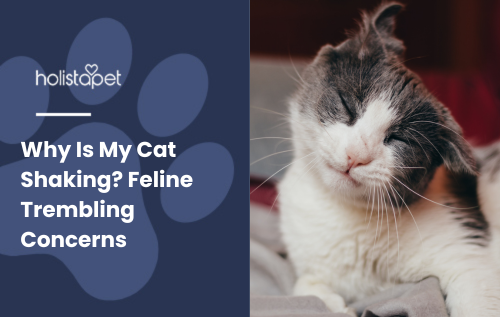
Cats do a lot of quirky things, but when you spot trembling, it's normal to wonder, "Why is my cat shaking?" It might look cute at first, like a little wiggle, but shaking might hint at something deeper. From tiny twitches to full-on shivers, a cat's body has all kinds of ways to show it's feeling off.
Did you know a shaking cat could be reacting to chilly temps, nervous energy, or even a hidden health problem? Keep reading to find out what's normal, what's not, and how you can help your feline friend feel steady again!
Is Cat Shaking Normal or a Sign Something's Wrong?

A little twitch here and there is totally normal, but constant shaking in cats may point to more serious concerns! Sometimes, it's just a quick shiver from loud noises or a new environment, but other symptoms may hint at bigger health problems. If you watch closely, you might notice subtle differences that can hint at a deeper issue than cold weather.
Occasional Shivers vs. Constant Trembling
A shivering cat after a car ride? Probably just nerves! Quick, random shivers can happen when a cat's body temperature dips or when young kittens feel unsure. But if you notice constant trembling, head shaking, or a trembling that won't settle, it's time to investigate more.
Big changes in your cat's behavior or signs like an upset stomach could signal something more serious. Always trust your gut when something feels off and inspect further.
When to Worry About Your Cat's Shaking
If your cat is shaking non-stop or shows other odd changes, it's time to call the vet immediately. Some red flags include:
-
Seizure-like episodes (including sudden collapse, muscle spasms, or paddling limbs)
-
Shaking combined with vomiting or diarrhea
-
Persistent shaking after an injury or fall
-
Visible pain responses (crying, limping, sensitivity to touch)
-
Extreme lethargy, inability to stand, or loss of balance
-
Shaking, along with pale gums or cold extremities
-
Low blood sugar signs, like weakness
-
Trembling after eating something odd or new
-
Open mouth breathing along with shaking
Spotting problems early and getting quick help from your vet can make life a lot easier for you and your furry sidekick. Don't brush off the weird wobbles!
Common Causes of Cat Shaking
Shaky cats might be more common than you think! From chilly toes to jittery nerves, lots of little things can rattle your feline friend. Let's break down the biggest reasons behind that mysterious wiggle and how you can spot other tell-tale signs early.
Feeling Cold or Wet

When young kittens or even adult cats get wet or chilly, their body temperature can drop fast. Tiny bodies lose heat quickly, making them shiver in no time. A heated blanket or heating pad helps bring a cold cat back to cozy warmth. Watch your cat's behavior after a bath or rainy stroll and warm them up if needed.
Stress, Fear, or Anxiety
Loud sounds, a new environment, new pets in the home, or scary smells can quickly stir up a cat's anxiety and bring on the shivers! You might notice head shaking, pacing, hiding, or quick twitches. Pet parents should offer a safe space and soothing words to help ease anxiety and bring cats back to calm. A little love goes a long way toward cat relief!
Low Blood Sugar (Hypoglycemia)
Low blood sugar is no joke for young cats or tiny kittens. If your furry buddy seems weak, shaky, or glassy-eyed, their cat's blood sugar might have dipped too low. Quick actions or vet assistance can make a big difference. Always check for other signs like wobbling legs, disorientation, lethargy, or stumbling, and reach out to a vet immediately.
Pain or Discomfort From Injury
A sudden cat's trembling might signal muscle aches, an internal injury, or tenderness after a tumble. If you spot other symptoms like bleeding, limping, more vocalization, guarding a limb, or any other sign of injury, it's time to seek veterinary attention. Some soreness can hide deep under fur and skin, so don't wait if you sense something's off with your cat!
Fever or Underlying Illness
A cat shaking with puffed-up fur and tired eyes could have a fever. Changes in a cat's body temperature often point to hidden medical problems like infections or serious conditions. A quick physical examination and diagnostic tests can help a veterinarian uncover the underlying cause. Early intervention brings much better outcomes for sick kitties!
Behavioral Reasons for Shaking in Cats
Not all shaking in cats means something bad. Sometimes a cat's behavior is just plain quirky. Let's peek at why a shaking cat might twitch, shimmy, or wiggle from excitement, dreams, or even too many belly rubs from eager pet parents.
Dreaming and Twitching During Sleep
Ever watch a shivering cat while they nap? Young kittens and even healthy adult cats can twitch, wiggle, and shake during deep sleep. It's usually harmless, part of their dream adventures. However, keep an eye out for other symptoms like open-mouth breathing just to be safe. A cozy heated blanket makes dreamland even sweeter.
Overstimulation From Petting or Play
Too many cuddles or a wild feather toy session can leave your feline friend a little shaky. Cat's anxiety can build up if playtime gets too intense, leading to a twitchy tail or head shaking. Give your cat some space and a safe space to reset when you spot other tell-tale signs of overwhelm.
Medical Conditions That Can Lead to Shaking
Some medical problems can make a cat start shaking without warning. Issues like neurological conditions, exposure to toxic substances, or sudden low blood sugar crashes can throw off a cat's normal body temperature and natural movement. It is important to catch the clues early for faster care.
Neurological Disorders
When a cat has a neurological disorder, the messages between its brain and muscles can get scrambled. You might see odd wobbles, body tremors, or even moments when your cat's behavior seems confused.
Neurological conditions like epilepsy or brain inflammation can pop up in any breed at any age, but adult cats or older cats are more at risk. Quick diagnostic tests and a deep check of your cat's medical history help a veterinarian figure out what is wrong before it gets worse.
Seizures or Involuntary Muscle Movements
Seizures in cats can look like sudden full-body shudders, random head shaking, or stiff legs. These muscle jerks might only last a few seconds, but they can leave your feline friend disoriented or scared. A physical examination, x-rays, and special blood work are key to finding out if your cat is shaking from a deeper problem like epilepsy, a brain injury, or something else serious.
Toxin Exposure or Poisoning
Household toxins like cleaners, pesticides, or even certain plants can send a cat's nervous system into chaos. A shaking kitty might drool, vomit, or seem wobbly on their paws after exposure. Fast action matters because some toxic substances cause life-threatening reactions in minutes. A vet may immediately flush out toxins and give the best chance for full recovery.
How CBD May Ease Fear, Discomfort, and Stress
CBD works naturally with a cat's body to bring balance, calm, and a stronger sense of comfort. CBD calming cat products offer a tasty and helpful way to support a nervous or stressed-out kitty.
- Helps Soothe Nervous Behaviors. CBD interacts with a cat's endocannabinoid system to ease a cat's nervousness or fear and promote calmer reactions to loud sounds, new environments, or travel adventures like a wild car ride.
- Promotes Natural Relaxation. HolistaPet's CBD Cat Treats and Calming Chews are made with pure ingredients and zero junk fillers. Each bite offers a natural way to help pet parents comfort an anxious feline friend without harsh additives.
- Supports Overall Comfort and Wellness. Besides calming nerves, CBD may ease minor aches, soreness, and agitation that come from daily zoomies or aging.
When to See a Veterinarian for Cat Shaking

If your cat is shaking and showing other symptoms like odd walking, confusion, or weakness, you should call your vet immediately. Quick action gives your feline friend the best shot at early help and faster relief for your feline.
Warning Signs to Watch For
If a shaking cat shows other strange or concerning signs, it could mean something bigger is going on. Here are a few signs to keep your eyes on:
-
Trembling paired with open-mouth breathing
-
Shaking that happens after eating something unusual
-
Weakness and other signs of low blood sugar
-
Collapse, limb paddling, or muscle spasms resembling a seizure
-
Shaking alongside vomiting or diarrhea
-
Ongoing shaking following a fall or injury
-
Crying, limping, or flinching when touched (indicating pain)
-
Severe tiredness, trouble standing, or wobbly movements
-
Cold paws, pale gums, and shaking at the same time
If you spot any of these, get immediate veterinary care to prevent a serious condition from getting worse!
What Your Vet May Check During an Exam
When you bring your cat in, a veterinarian will run through a full check to find the underlying cause. They might perform:
-
Physical Examination to look for injuries or swelling
-
Blood Work to check blood sugar and organ health
-
Diagnostic Tests if they suspect neurological conditions
Finding the problem early means a better treatment plan and better outcomes for your furry pal.
Final Thoughts – Why Do Cats Shake
Cats can shake for all sorts of reasons, from feeling chilly after a nap to dealing with more serious health issues like low blood sugar or neurological conditions. Paying close attention to your cat's behavior and catching other symptoms early makes a big difference. When in doubt, veterinary care is always the safest move.
For everyday support, HolistaPet's calming CBD cat treats and chews may help your feline friend stay relaxed, cozy, and purring with happiness. A little extra care goes a long way toward a more peaceful, tail-wagging life for both cats and dogs.
Cat Care Tips: Care Guidance for Cat Owners.






Leave a comment
All comments are moderated before being published.
This site is protected by hCaptcha and the hCaptcha Privacy Policy and Terms of Service apply.